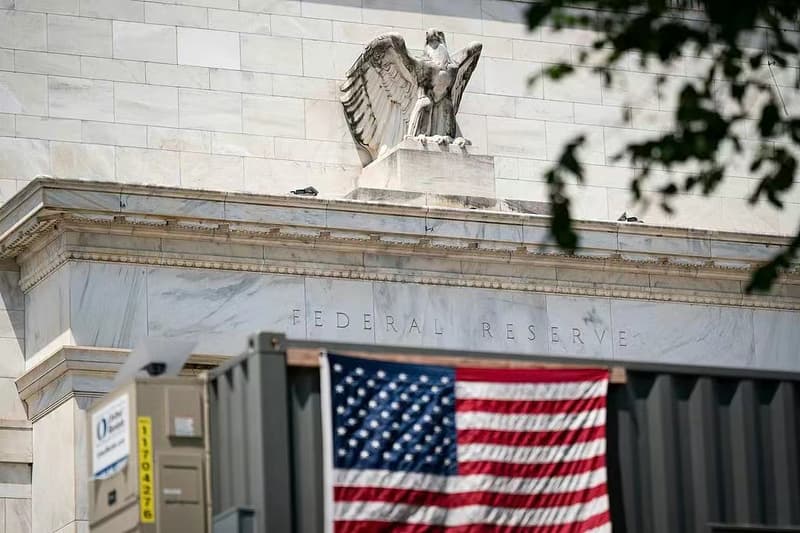
Mild Inflation Trends Reinforce Interest Rate Cut Expectations
Latest data shows that the U.S. Consumer Price Index (CPI) in September increased by 0.3% month-on-month and 3.0% year-on-year, while the core CPI increased by 0.2% month-on-month and 3.0% year-on-year, both below market expectations. This mild data provides ample reason for the Federal Reserve to further cut interest rates.
Although the U.S. economy overall remains in expansion, the labor market is showing signs of cooling, particularly in the manufacturing and service sectors where job growth is slowing. The sustained decline in inflation further reduces the pressure on policymakers to tighten policy.
Looking at the sub-data, rent and used car prices became the main factors dragging down inflation, reflecting weak consumer demand. Analysts believe this may be related to the Trump administration's recent strengthening of immigration controls and deportation of some foreign workers. The reduction in labor supply leads to a decrease in the low-end consumer group, which in turn affects the demand for related goods and services.
Weakened Tariff Effects, Limited Corporate Pass-Through Ability
The report noted that prices of goods affected by tariff policies fluctuated, but overall increases were below market expectations.
This indicates that U.S. consumer momentum is insufficient, and companies are struggling to fully pass on cost pressures to consumers amid weak demand. If trade tensions persist, this could further squeeze corporate profit margins, affecting investment and employment.
Meanwhile, energy and food prices remain stable, limiting overall inflationary pressure. Experts point out that in such an environment, the Federal Reserve has room to continue easing policy. Although inflation in services remains resilient, it is not enough to change the overall downward trend in prices.
Federal Reserve May Open Rate Cut Window Early
Considering recent economic and financial market performances, analysts generally expect the Federal Reserve to cut interest rates by 25 basis points at its meetings in October and December.
This move will help alleviate the dual pressures of slowing economic growth and tightening financial conditions, stabilize market expectations, and improve liquidity conditions.
Meanwhile, the decline in reserves in the U.S. banking system and rising financing costs also increase the necessity for the Federal Reserve to slow down its tightening pace.
The market widely expects that the Federal Reserve may end its quantitative tightening (QT) process by the end of the year and evaluate the effects of the rate cuts in the coming months. If financial conditions worsen further or inflation remains sluggish, there is a possibility of another rate cut in the first half of 2026.
Policy Outlook and Potential Risks
Even though slower inflation strengthens the expectations for rate cuts, risk factors cannot be ignored.
Analysts warn that delays in economic data caused by the U.S. government shutdown, uncertainty in U.S.-China trade relations, and weak demand in Europe may all weaken the effectiveness of rate cuts.
Overall, September's inflation report strengthens the possibility of consecutive rate cuts by the Federal Reserve this year. Mild inflation and weak consumption will continue to dominate the direction of monetary policy, while the Trump administration's immigration and tariff policies may become important variables affecting future decisions.