

Robust Expansion of the Five Major Conglomerates
The corporate landscape in South Korea is undergoing extensive reshaping. According to the latest data released by the business evaluation agency CEO Score, the total assets of South Korea's top five conglomerates—Samsung, SK, Hyundai Motors, LG, and Lotte—have increased by nearly 40% over the past five years, from 1,143 trillion won in 2019 to 1,588 trillion won in 2024. This growth not only highlights the rapid capital accumulation of large enterprises but also reflects the deep transformation of South Korea's economic structure across semiconductors, electric vehicles, energy, and globalization.
Industry experts note that despite the challenging global economic environment over the past five years, including supply chain crises, inflation pressures, and geopolitical risks, leading South Korean companies have continued to exhibit strong expansion and profitability. This asset growth is underpinned by continuous technological investments and international market expansion.
Samsung Group Remains Dominant, Continuing to Invest in Core Technologies
As a corporate giant in South Korea, Samsung Group still holds the top position. Its total assets surged from 424.8 trillion won to 589.1 trillion won, an increase of 38.7%. This growth is largely attributed to sustained investments in semiconductors, display panels, and mobile communications, alongside Samsung Electronics' competitiveness in global high-end markets.
Analysts point out that despite the significant cyclical fluctuations in the global chip industry, Samsung continues to expand capital expenditure amid adversity, thanks to its advanced processing technology and robust financial structure. Future investments will focus on high-value areas such as AI chips, memory storage, and quantum computing, aiming to consolidate its global industry leadership.
SK Group's Meteoric Rise, Semiconductors Fuel Asset Surge
SK Group emerges as the most rapidly growing conglomerate on this list, with its assets soaring from 225.5 trillion won to 362.9 trillion won, a sharp increase of 60.9%. This growth is driven by the skyrocketing enterprise value of SK Hynix and aggressive ventures in the renewable energy sector.
Industry observers note that through horizontal integration and capital investment, SK has gradually transitioned from a traditional energy company to a diversified group focused on technology, materials, and green energy. Strategic investments in key segments of the semiconductor supply chain have enhanced its influence within the global technology competition framework.
Hyundai Motor Group's Steady Expansion, Electric Vehicles as a Growth Engine
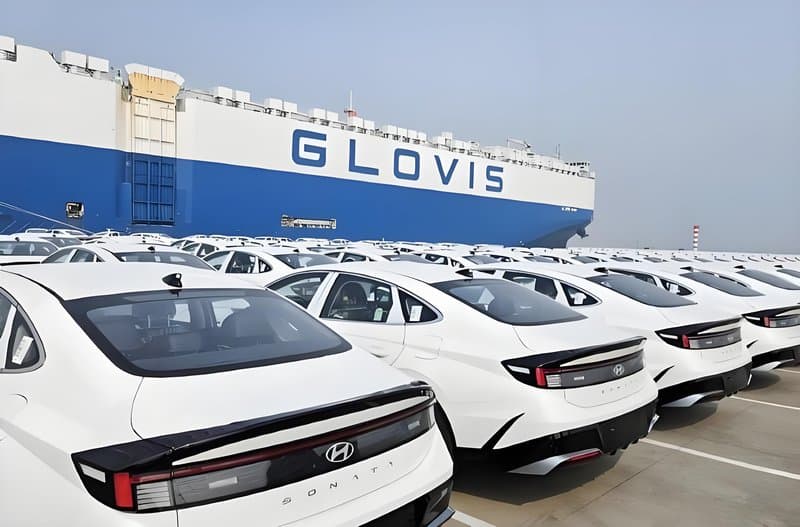
Hyundai Motor Group's assets grew by 30.6% over five years, reaching 306.6 trillion won. The driving force behind this growth is the recovery of global car sales and an accelerated electric vehicle transition strategy. The electric vehicle sales performance of Hyundai and Kia is impressive, especially their expansion in North American and European markets, boosting overall profitability.
Furthermore, Hyundai's ongoing investments in batteries, electric mobility, and mobility solutions have facilitated a steady growth in its asset base. Analysts believe Hyundai is vertically integrating the electric ecosystem to address the long-term trends of smart and low-carbon transformation in the automotive industry.
Reshaping of South Korean Corporate Landscape and Future Outlook
Overall, the asset expansion of South Korea's top five conglomerates demonstrates their competitive upgrade within the global industrial chain. Semiconductors, electric vehicles, new energy, and digital infrastructure are becoming the core engines driving capital growth. Meanwhile, stability in corporate profits and sales rankings underscores their operational resilience and scale efficiency.
Experts analyze that in the coming years, large South Korean groups will further strengthen their investments in high-tech fields and sustainable development to cope with the challenges of global industrial transformation. Whether it's Samsung's chip expansion, SK's energy transition, or Hyundai's electrification strategies, the global positioning of South Korean capital is advancing from "scale growth" to a new phase of "structural optimization."






