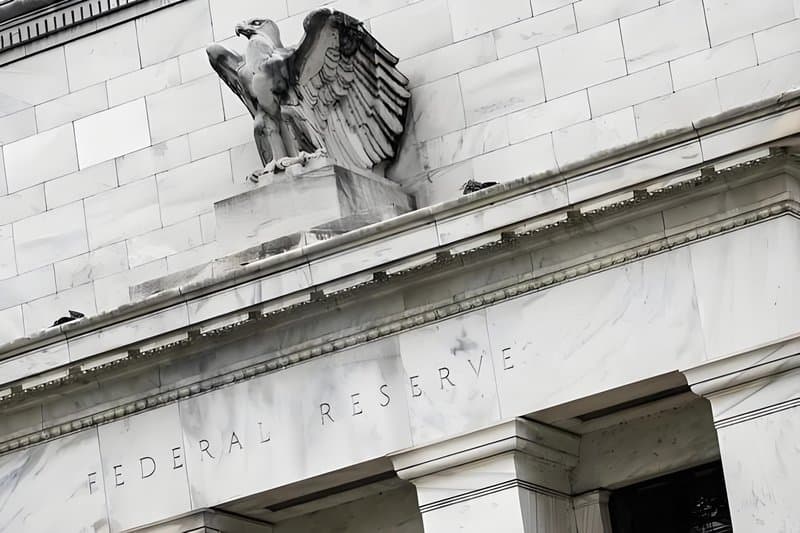
Discussion on the Federal Reserve Chairmanship Heats Up
As anticipation grows for the Trump administration to announce the nominee for the next Federal Reserve chair, discussions around the candidates have been intensifying in Washington. National Economic Council Director Hassett has frequently addressed monetary policy in recent public speeches, which the market interprets as having the aura of a "chair-in-waiting," making him a central figure.
Trump has indicated that he will officially announce the nomination in the coming months and hinted that the final list of candidates has been tentatively determined. At this sensitive juncture, each candidate's statement on policy issues could impact the capital markets and the landscape of policy negotiations.
Hassett Rarely Openly Discusses Future Rate Cut Direction
In a recent interview, Hassett candidly stated that he believes the Federal Reserve should implement a rate cut at the upcoming policy meeting, anticipating a possible cut of 25 basis points. He emphasized that recent statements from Fed officials show a significant shift in monetary policy inclination towards increasing a dovish stance.
Hassett also pointed out that the U.S. economy is in an adjustment phase, and policymakers should be more sensitive to feedback from inflation and employment data. If the economy shows further signs of slowing, monetary policy should take preemptive measures to prevent further escalation of economic downward pressure.
Despite his strong tone, he avoided explicitly outlining the number or path of rate cuts he would pursue if he were to become Fed chair, emphasizing that policy changes should be data-dependent.
Market Interpretation: Policy Path May Become Clearer Sooner
Against the backdrop of the complex and sensitive relationship between the Federal Reserve and the White House, Hassett's public statements are interpreted by the market as early signals of policy direction. Investors generally believe that his remarks not only reflect an internal government preference for a more accommodative policy but also may influence the atmosphere of discussions within the Fed.
Financial analysts note that if Hassett becomes the nominee for chair, his policy orientation could change the Federal Reserve's communication style and operational strategy. The future monetary policy path might focus more on economic growth risks while adopting a more flexible inflation control framework.
In the bond market, the probability of a rate cut anticipated by investors has risen, with long-term yields under downward pressure, reflecting a market pricing in more accommodative policies.
Internal White House Personnel Arrangements Also Brewing
In addition to the discussion on the Federal Reserve chairmanship, adjustments within economic positions in the White House are also seen as an essential part of related arrangements. Trump has publicly praised Hassett multiple times, sparking speculation that he might transition from his current role to the Fed system.
Informed sources reveal that if personnel changes progress, the leadership position at the National Economic Council may be concurrently held by the current Treasury Secretary, Besent, thereby forming a more closely coordinated policy structure. This arrangement would enhance communication efficiency between administrative departments and financial regulatory bodies, making economic policy decisions more consistent.
Policy Prospects and Personnel Changes Together Influence Market Direction
The U.S. economy is currently at a crossroads between declining inflation and slowing growth, so the Federal Reserve's policy choices will have a profound impact on market confidence and economic expectations. A change in the chairmanship could alter the policy framework for the next several years.
If a policy approach represented by Hassett becomes dominant, the U.S. might enter a stage of monetary policy that places more emphasis on stimulating the economy, strengthening the job market, and improving the financial environment. However, there are also warnings that if rate cuts are too rapid, it could lead to overheating in financial markets and even rekindle inflation.
As the nomination time approaches, market volatility may intensify, and each of Hassett's public statements could become pivotal events influencing market movement.