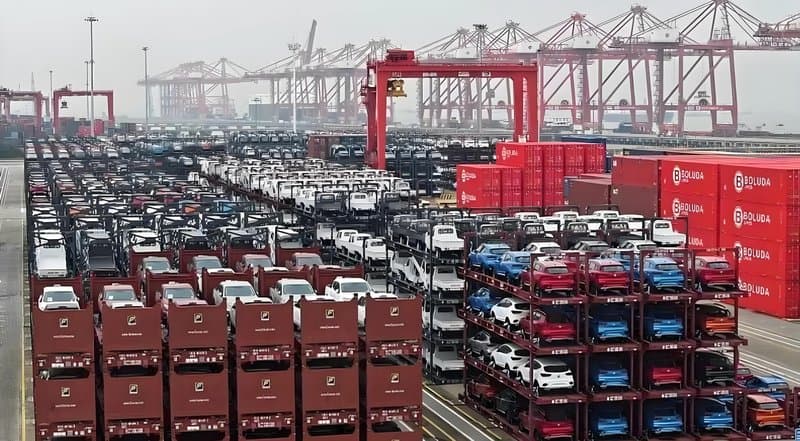
The White House confirmed on Wednesday that U.S. President Trump is considering partial tariff exemptions for automakers. According to insiders, this move is referred to as "destacking" of tariffs. The exemption does not include the 25% tariff on imported complete vehicles and does not affect the 25% tariff on auto parts set to be implemented on May 3rd.
Meanwhile, Trump also indicated that he might increase the 25% tariff on cars imported from Canada. In a statement to reporters in the Oval Office, Trump said, "When I impose tariffs on Canada, they pay a 25% tariff, but concerning cars, the tariffs might rise. What we're saying is, 'No offense intended, we don't want your cars. We genuinely want to make our own cars.'
The tariff exemption plan mainly targets auto parts, as well as steel and aluminum products, but maintains the 25% tariff on imported complete vehicles and steel and aluminum products. This decision will help alleviate the pressure faced by the U.S. automotive industry. Trump previously stated that automakers and related policy groups have been lobbying the government to reduce some tariffs, especially as the auto industry's compound costs might face greater pressure with the gradual increase in tariffs on imported auto parts.
This week, six major policy groups representing the U.S. auto industry jointly pressured the Trump administration, urging not to impose additional tariffs on imported auto parts. The Trump administration suggested it might reconsider tariffs on auto parts, similar to the previously approved tariff exemptions for consumer electronics and semiconductors. This stance has garnered support from automotive industry executives, who believe that reducing the upcoming parts tariffs would be a positive development.
These policy groups, representing franchised dealers, suppliers, and major automakers, pointed out that auto suppliers are currently "in distress" and unable to bear additional cost increases, which could lead to broader industry issues. Industry representatives have stated that the impending tariffs will severely impact U.S. auto production and may trigger a series of chain reactions.
Overall, Trump's "destacking" plan will have a certain positive impact on the automotive industry in the short term, especially by reducing the potential tariff burden in the future. However, there are still concerns within the industry about the continued existence of steel and aluminum tariffs.