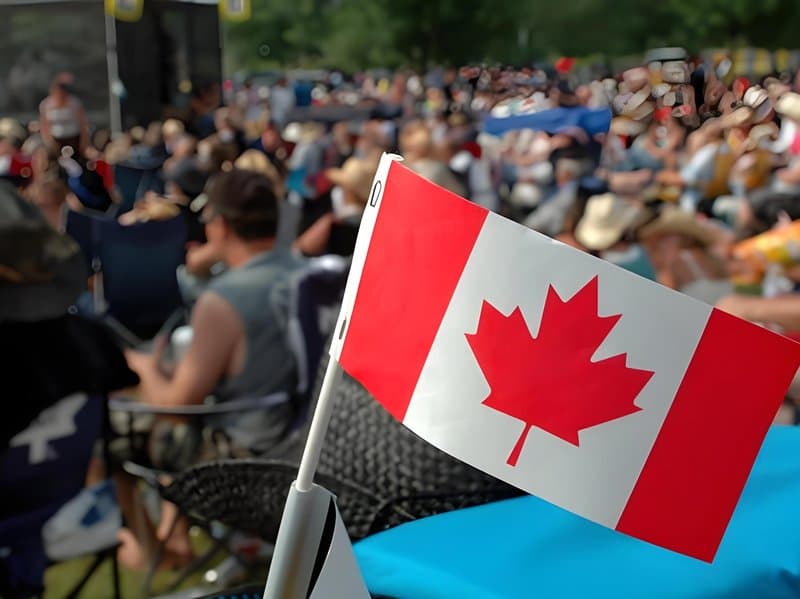
Canada Plans to Recognize Palestine, Triggering Geopolitical Shockwaves
Amid escalating Israeli-Palestinian tensions and growing international calls, Canada is the latest Western country to express readiness to recognize Palestine. Prime Minister Mark Carney announced on Wednesday that Canada is actively considering advancing this recognition before the United Nations General Assembly in September 2025, contingent on Palestine committing to a series of governance reforms. This move is widely viewed as a major shift in Canada's Middle East policy.
"Reform First, Recognize Later": Canada Sets Preconditions
Unlike France's direct commitment to support statehood, Canada has set clear conditions. Carney emphasized that the Palestinian National Authority (PNA) must undergo thorough governance reforms, including plans for national elections in 2026, excluding groups like Hamas from participation.
It has been revealed that in a lengthy conversation with Palestinian leader Abbas, Abbas has positively responded to the reform commitments. Carney added, "We need to see substantive action in reforms, not just symbolic declarations." Canada will base its decision on whether to formally propose recognition before the UN assembly in September on these actions.
Humanitarian Crisis as a Catalyst
Canada's shift in stance is closely linked to the worsening humanitarian situation in the Gaza Strip. At a press conference, Carney described the current Gaza crisis as "beyond the line of tolerance," severely criticizing the Israeli government's military actions and blockade policies. He noted that the threat of famine has become a reality, and if the international community continues to remain passive, the outlook for Palestinian statehood will face complete obliteration.
The statement not only conveys sympathy for the civilians in Gaza but also hints at Canada's dissatisfaction with Israeli policies, indicating a subtle but notable shift in the diplomatic stance towards its traditional ally, Israel.
Western Countries Loosening Stances Ahead of the UN
Before Canada's recent statement, France and the UK announced plans to consider or advance the recognition of Palestine before the United Nations Assembly. Unlike France's unconditioned pledge for September, the UK aligns more closely with Canada's approach, attaching reform-based requirements.
This dynamic unfolds as the United Nations conducts a three-day meeting co-hosted by France and Saudi Arabia, encouraging countries that have not yet recognized Palestine to commit by September 5. Several conditions target Israel, demanding the cessation of West Bank settlement expansions and opening channels for humanitarian aid.
Canada's Policy Shift Attracts Attention
Analysts widely believe that Canada's statement symbolizes a substantive shift in its stance on Middle Eastern issues. Traditionally, Canada has followed a "peaceful resolution first" strategy, advocating for the recognition of Palestinian statehood only after a final agreement between Israel and Palestine. However, amid escalating regional tensions and growing civilian support for Palestine, the Canadian government is forced to reevaluate its diplomatic strategy.
Additionally, Canada's internal political landscape is influencing this shift. The Liberal government faces pressure from a diverse electorate, especially the youth and communities of Middle Eastern descent, who are deeply concerned about the situation in Gaza, prompting the government to balance moral and electoral considerations.
Can Recognition Promote Peace?
Although Canada's recognition plan requires Palestinian reforms, the expression of intent itself applies new pressure on the international community and may compel both Israel and Palestine to make diplomatic moves. Simultaneously, this action may cause friction with Israel.
If more Western countries follow suit, Canada's stance could become a catalyst, leading to new breakthroughs at the UN regarding Palestinian recognition. However, this process remains fraught with uncertainty, particularly whether Israel's strong opposition to such "unilateral recognitions" will escalate into diplomatic or economic retaliations.
Amidst this diplomatic storm, Canada's decision will undoubtedly serve as a key indicator of global Middle Eastern policy changes in the coming months.