The latest data from the Japanese government shows that as food prices continue to rise, particularly with a historic spike in the price of rice, consumer inflation in Japan accelerated in March. This trend initially supported the Bank of Japan's gradual interest rate hike expectations, but the new round of high tariff policies implemented by the United States casts a shadow of uncertainty over economic prospects, further complicating monetary policy formulation.
According to the data released by Japan's Ministry of Internal Affairs and Communications on Friday, the core consumer price index (CPI) in March rose by 3.2% year-on-year, up from 3.0% in February, in line with market expectations. Excluding energy and fresh food, the "core-core CPI" rose by 2.9% year-on-year, marking the largest increase since March 2023. This marks the nearly three-year period where Japan's inflation rate exceeds the central bank's 2% target.
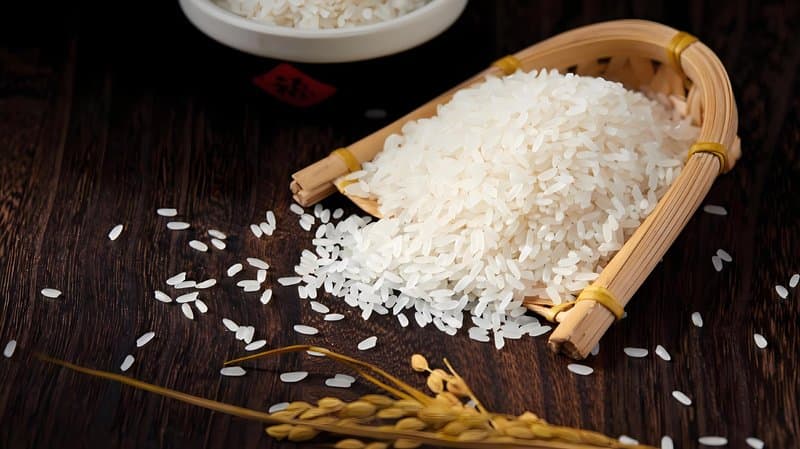
The main driver of inflation comes from food prices, particularly rice prices, which soared by 92.1% year-on-year, the fastest increase since records began in 1971. Overall food prices rose by 7.4% year-on-year, slightly lower than last month's 7.6%, but still significantly high. Service prices increased by 1.4% year-on-year, indicating a slight rise.
Although government measures to subsidize electricity and gas curbed the overall inflation rate to some extent, consumer pressure remains heavy. The consumer confidence index has dropped to its lowest level in two years, and households' future price expectations continue to rise, reflecting the impact of rising living costs on household spending.
While the central bank has gradually shifted towards a path of monetary policy normalization, Governor Kazuo Ueda has repeatedly stated that interest rates will be adjusted as price trends dictate. However, the recent U.S. tariff measures are becoming a key variable in new policy considerations. Japan is currently the only G7 country facing both rising inflation and tariff pressure, posing a greater challenge for the central bank in balancing growth stabilization and inflation control.
Additionally, the Japanese government is also discussing potential short-term countermeasures. As inflation pressure continues amid an approaching election, calls for cash handouts or temporary tax cuts are increasing, putting Prime Minister Shigeru Ishiba under dual pressure from parliament and the public, with his approval rating falling to its lowest since taking office.
Market surveys show that in April, the categories of food price increases will exceed 4,000 items, reaching an 18-month high, while rising raw material costs, labor shortages, and yen depreciation may continue to push inflation levels higher in the coming months.
Although current data reinforces the Bank of Japan's prior policy judgment, with the effects of U.S. tariff policies gradually manifesting, the originally planned "semi-annual" rate hike pace may be disrupted. Whether Japan can maintain price stability while dealing with external shocks is becoming the core challenge in the next phase.