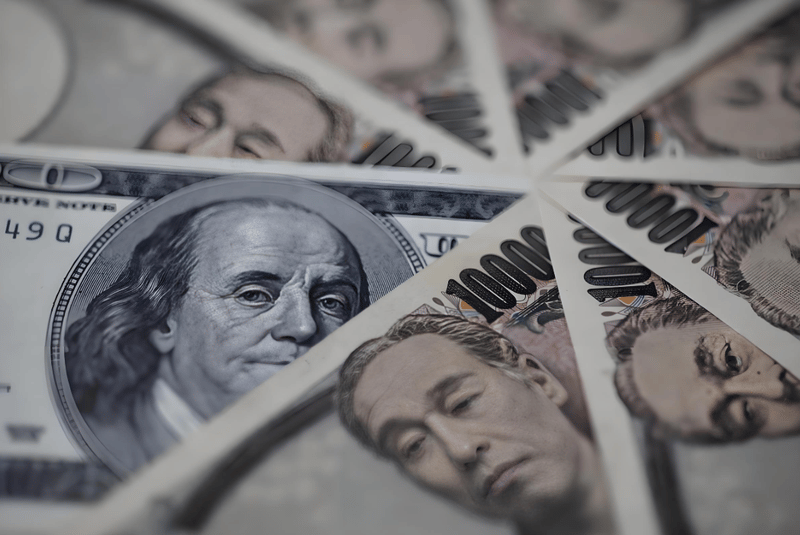
Amid the Trump administration's tariff offensives against several countries globally, trade negotiations between Japan and the United States have become a focal point of global attention. As one of the first countries to enter trade talks with the United States, Japanese Prime Minister Shigeru Ishiba recently reaffirmed that exchange rate issues will be discussed on the basis of fairness, implying that Japan will not make major concessions on this subject.
Exchange Rate Issues in US-Japan Trade Talks
In this week's television program, Shigeru Ishiba responded for the first time to the US demand that Japan cooperate in boosting the yen. He stated, "We must handle this issue from a fairness standpoint." This statement indicates that the Japanese government insists its exchange rate policy is fair and will not accept any unequal demands in the talks with the United States.
Trump has repeatedly criticized Japan for manipulating exchange rates, believing Japan artificially depresses the yen to enhance export competitiveness. Against this backdrop, Trump hopes the US-Japan trade negotiations will cover exchange rate issues. However, Japan's Minister of Economic Revitalization, Akira Amari, clarified that exchange rates were not discussed in the first round of trade talks last week, and the issue should be addressed by the finance ministers of the two countries.
Japan Emphasizes Independence, Finance Minister to Visit the US for Discussions
Shigeru Ishiba also revealed that Finance Minister Katsunobu Kato will visit Washington this week to have specific discussions on exchange rate policy with US Treasury Secretary Besent. Kato will attend the upcoming G20 Finance Ministers and the IMF Spring Meetings, and is expected to hold bilateral talks with Besent on these occasions.
The Japanese government insists it is in no rush to reach an agreement and does not plan to make significant concessions in trade talks with the United States. Shigeru Ishiba stated that Japan will adhere to its interests in negotiations and strive to resolve disputes through fair dialogue.
Tariff Issues and Pressure on the Automotive Industry
Earlier this month, Trump proposed a 24% reciprocal tariff rate on Japan, which, although suspended for 90 days until early July, still places tremendous pressure on the Japanese economy. Japan's economy relies heavily on exports, with the automotive industry being a key export category. Therefore, Trump's tariff policy undoubtedly poses a heavy blow to the Japanese economy.
Shigeru Ishiba stated that Japan might increase its purchase of US energy and hinted at flexibility if the US accuses the Japanese automotive market of having non-tariff barriers. While some analysts believe Japan might use its large holdings of US government bonds as a bargaining chip, Katsunobu Kato has ruled out this possibility.
Separating Security Issues from Trade Talks
When asked if Japan would mention its holdings of US government bonds in negotiations, Shigeru Ishiba said, "This concerns mutual trust, the global economy, and the stability of the two countries' economies." He emphasized that the Japanese government will not involve security issues in trade talks with the United States, "I think it is inappropriate to mix security and trade issues. We should address security issues, but not link them with tariffs."
Trade Talks May Lead to Long-Term Struggles
As the US-Japan trade talks enter deeper stages, exchange rate issues and tariff policies will remain key points of contention. The Japanese government insists on maintaining independence on these issues and striving for fair dispute resolution. The global focus is not just on how the two countries handle trade tensions, but also on how they maintain economic stability while avoiding overreliance on a single market. As negotiations unfold in the coming months, the global economic landscape may be affected.