
Federal Regulators Intervene
The National Highway Traffic Safety Administration (NHTSA) recently announced a new round of safety investigations into Tesla's "Full Self-Driving (FSD)" system. The investigation stems from multiple accident reports and owner feedback alleging that FSD may have defects that lead to traffic violations or collisions during actual use. The regulators emphasize that this investigation is broad in scope, covering most Tesla models equipped with FSD regulatory mode and test versions.
Involved Models and Scale
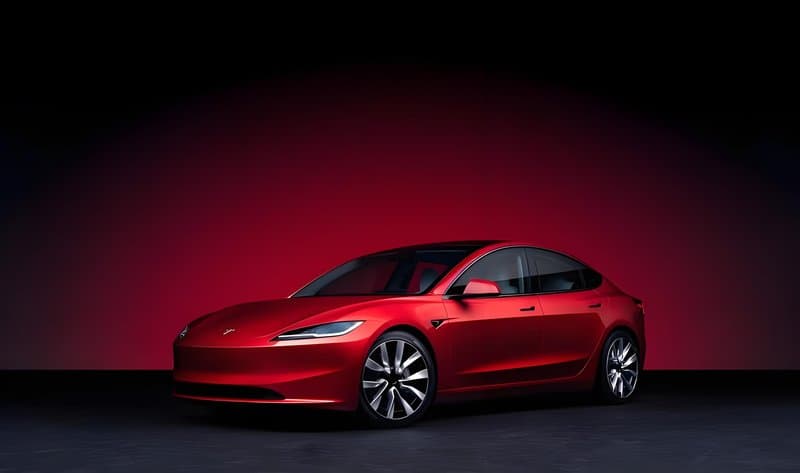
NHTSA's announcement indicates that over 2.88 million Tesla electric vehicles are expected to be within the scope of this investigation. The involved models include currently sold Model 3 and Model Y, as well as Model S and Model X, which have long been equipped with FSD. This large-scale investigation almost covers Tesla's core product line in the U.S. market in recent years.
Accident Feedback and Hazards
Statistics show that at least 44 traffic accidents are related to the operation of the FSD function. Some accident reports indicate that the system exhibited illegal behavior in complex traffic environments, such as running red lights, deviating from the lane, or even driving into oncoming traffic. These uncontrolled operations directly led to collisions, some of which caused personal injuries. Although the number of accidents is low compared to the overall number of vehicles, the potential risk has already garnered significant attention from regulatory authorities.
Tesla's Position
Tesla has not yet publicly responded to the latest investigation. The company has long insisted that FSD is an "assistance driving" feature, requiring drivers to remain attentive and responsible for vehicle operation at all times. However, there is widespread market and public concern about a gap between Tesla’s marketing and the actual application, with the potential for consumers to overestimate the level of automation in FSD.
Regulatory Logic and Background
This investigation is not an isolated event. For several years, Tesla's autonomous and driver assistance systems have been a focus of the NHTSA and the U.S. Department of Transportation. From the failure of automatic emergency braking to the abnormal reactions of the Autopilot system under specific road conditions, related controversies have been ongoing. As the penetration rate of electric vehicles increases, regulators are intensifying their scrutiny of emerging driving technologies to ensure safety and transparency.
Investment and Market Impact
In response to the investigation news, Tesla's stock price dipped slightly in overnight U.S. trading. Analysts point out that although the short-term market reaction is limited, if the regulatory investigation escalates further, it may pose risks of recalls, software revisions, or hefty fines for Tesla. Also, as an industry leader, Tesla's challenges could affect market expectations for the entire autonomous driving sector.
Challenges Facing the Autonomous Driving Industry
This incident once again highlights the dilemma faced by the autonomous driving industry: on one hand, technological innovation is advancing rapidly, and expectations for AI driving continue to rise; on the other hand, safety hazards and regulatory gaps exposed in actual use create significant pressure for development in this field. Industry experts believe that promoting autonomous driving must find a more robust balance between "technological breakthroughs" and "safety compliance" in the future.
The Battle Between Regulation and Innovation
Overall, the renewed investigation of Tesla's FSD reflects ongoing regulatory concerns about autonomous driving safety. Given the large number of vehicles involved, the outcome of this investigation could profoundly impact the market landscape. For Tesla, improving the reliability of the FSD system and maintaining transparent communication with regulatory bodies will be key to securing its leadership position in the industry.









