Potential Agreement Emerges as Senate Negotiations Reach Critical Stage
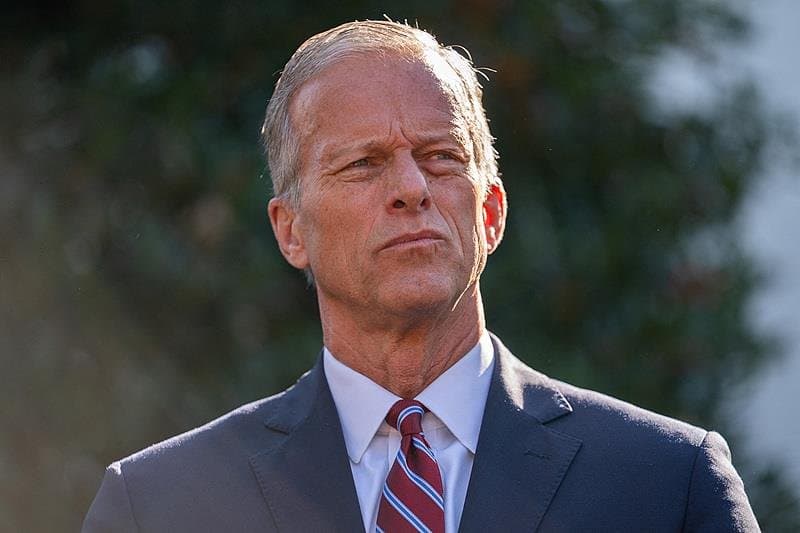
After weeks of deadlock, there is finally a breakthrough regarding the U.S. federal government shutdown. Senate Majority Leader John Thune stated that both sides are "gradually reaching consensus" on a potential agreement to end the shutdown. However, he emphasized that the agreement is not yet final, and senators still need time to review the details.
For the first time since the government shutdown, the Senate convened a weekend meeting focused on core disagreements surrounding the temporary funding bill, particularly healthcare spending and social security. After the meeting, Thune revealed that the atmosphere of the discussions was "more constructive than before," though details remain disputed. The Senate is expected to reconvene on the 9th, hoping to reach a preliminary consensus that will clear obstacles for the government's resumption of operations.
Background of the Government Shutdown: Budget Disputes Escalate
The current shutdown began at midnight on September 30 when the Senate failed to pass a temporary funding bill, leading to a disruption in federal government funding. Consequently, numerous government agencies ceased operations, and around 800,000 federal employees were forced to either take unpaid leave or face delayed paychecks. This is the first U.S. government shutdown since 2018 and the second such crisis during Trump's tenure.
The catalyst for the shutdown lies in deep-seated differences over healthcare policy and budget allocation. Democrats demand maintaining subsidies for healthcare and welfare spending for low-income groups, whereas Republicans advocate for cutting non-defense spending to address rising fiscal deficits. The long-standing standoff between the parties on budget priorities has stalled progress on the funding bill.
Political Game Intensifies, Public Pressure Mounts
The longer the government shutdown continues, the more significant its economic and social impacts become. Beyond federal employees, services in several key sectors, including national parks, research institutions, and some educational programs, have been forced to halt. The public is increasingly concerned that if the shutdown extends into mid-November, it will deliver a fresh blow to consumer confidence and local finances.
The latest survey from the Pew Research Center indicates that over 60% of American voters believe Congress should "reach a compromise immediately" to resume government operations. Most respondents also feel that political polarization has severely damaged the credibility of federal institutions.
Political analysts point out that with weakening economic data and a backlash in public opinion, lawmakers are under pressure from all sides. Notably, within the Republican Party, some moderate members have begun calling for a "pragmatic solution" instead of sticking to partisan positions.
Both Sides Seek Consensus, but Differences Remain
The current focus of Senate negotiations remains on healthcare spending. Democrats aim to preserve the core terms of healthcare plans through amendments, while Republicans insist on imposing limits on the related budget. Thune stated in a press release that negotiations have made "some progress," but a text ready for a vote has not yet been reached.
The White House signaled that the president would sign a temporary funding bill as soon as the Senate passes it. A White House spokesperson urged Congress to "stop political confrontations," emphasizing that the shutdown has caused real harm to national operations and citizens' lives.
Market and International Reactions: Confidence Yet to Recover
The shutdown has caused short-term volatility in the U.S. bond market, with investors concerned that fiscal uncertainty might weaken the credit rating of U.S. Treasury bonds. Ratings agency Moody's has warned that if the shutdown extends beyond a month, it could affect the government's debt repayment capability assessment. The international market remains cautiously observant, with some institutional investors opting to temporarily reduce their holdings of dollar assets.
Economists generally believe that even if a temporary agreement is reached, the structural opposition within the American political system remains unresolved. If budget reforms are not pursued, the shutdown crisis may recur early next year.
Agreement May Be a Short-term Compromise
The current potential agreement is seen as a "temporary fix," intended to buy time for federal agencies to resume operations. Analysts suggest that even if this agreement is eventually approved, it might only keep the government running for a few weeks, with a long-term solution still requiring deeper consensus on fiscal discipline and policy direction.
Despite numerous challenges, Thune's statements are viewed as a positive sign. As Senate negotiations continue, there is hope for a phased resolution of the U.S. government shutdown crisis. However, under the existing political environment marked by party division and electoral pressure, uncertainty still looms over Washington.