Beef Prices Skyrocket, Driving Up American Household Dining Costs
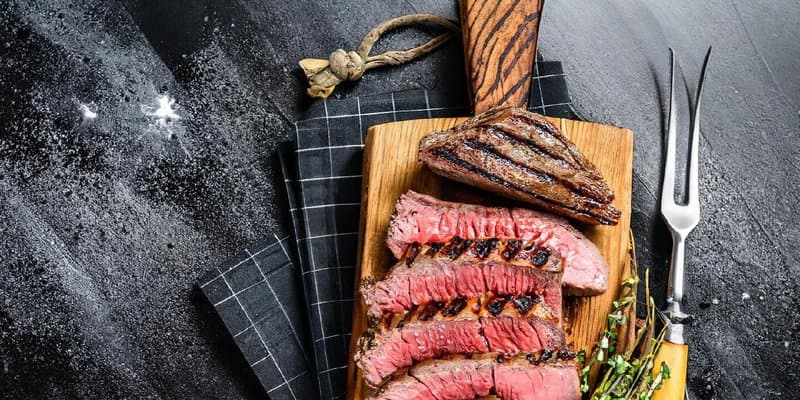
As beef prices continue to reach record highs, American consumers are feeling unprecedented financial pressure. Recent data shows that the prices of roast beef and steaks have increased by over 16% year-over-year, with overall beef prices up more than 50% since 2020. For American families, this is not only a reflection of inflation but a tangible burden on dining expenses.
In fast food-loving America, burgers, which used to be among the most affordable meals, are now becoming a "luxury." A consumer survey indicates that nearly 80% of respondents think eating fast food has become expensive. Restaurants are also facing the pressure of squeezed profit margins, with McDonald's executives acknowledging that beef costs are "at historic highs," creating significant industry pressure.
Supply Constraints: Drought and High Costs Reduce Cattle Herd
The core reason behind the high beef prices is the significant reduction in cattle numbers. Data from the U.S. Department of Agriculture shows that as of July, the national cattle population had dropped to 94.2 million head, the lowest in half a century. Continued drought conditions and rising feed prices forced ranchers to slaughter cows early, reducing long-term breeding plans to alleviate short-term cash flow pressures.
David Anderson, an economist at Texas A&M University, noted that even though advances in breeding technology have increased the meat yield per cow, the trend of declining herd sizes remains unmitigated. "The market price of cattle has reached $230 per hundredweight, prompting ranchers to sell immediately rather than continue raising them to face future risks." This structural reduction means that relief from supply chain tightness is unlikely in the short term.
Policy and Trade Factors Inflate Import Costs
In addition to natural and cost pressures, U.S. trade policy is also an understated factor in price increases. Due to tariffs, U.S. beef imports from Australia and New Zealand face a 10% duty, with the potential for Brazilian products to incur tariffs as high as 50%. Industry experts warn that such policies will keep import costs elevated in the long run, further squeezing the profit margins of domestic meat processors.
Former President Trump recently promised to "use policy measures" to lower beef prices and proposed importing Argentine beef. However, this proposal has met with industry and congressional opposition, with critics arguing that it would undermine the competitiveness of American ranchers and could pose animal disease risks. The National Cattlemen's Beef Association stated that Argentine exports to the U.S. far exceed imports, putting the U.S. at a significant trade disadvantage.
Chain Reaction: Pressure on Ranchers and Consumers
Despite rising prices, ranchers have not benefited. With feed, energy, and transportation costs continuously rising, profit margins are severely squeezed. The American Farm Bureau pointed out in a report that "high prices do not equate to high profits," and if consumer demand declines, processors might depress purchase prices, further increasing operational pressure on ranchers.
Some producers express concern that if prices drop rapidly in the future, the ranching industry could suffer a deeper impact. "Beef is our lifeline; if prices crash, the next generation won't be able to continue this business," says Roberts, a rancher from Indiana.
High Beef Prices Might Persist Until 2026
Experts generally believe that beef prices are unlikely to subside in the short term. Although feed prices have slightly declined and drought conditions have eased, the cattle replenishment cycle is lengthy, typically requiring over two years for effective recovery. Brenda Boetel, a professor at the University of Wisconsin, predicts that beef prices will remain high in the upcoming year.
The latest projection from the U.S. Department of Agriculture indicates that the tight beef supply situation will continue until 2026, with prices potentially reaching new highs by then. Faced with ongoing inflation, American food manufacturers may increasingly rely on imports to meet domestic demand.
Overall, "beef inflation" has become a new economic pain point in the U.S.: on one side is the burden on consumer dining tables, on the other is the survival pressure on ranchers. The slow pace of supply chain recovery and policy adjustments means that the American beef market is unlikely to recover from the "bitter taste of inflation" for the next two years.