
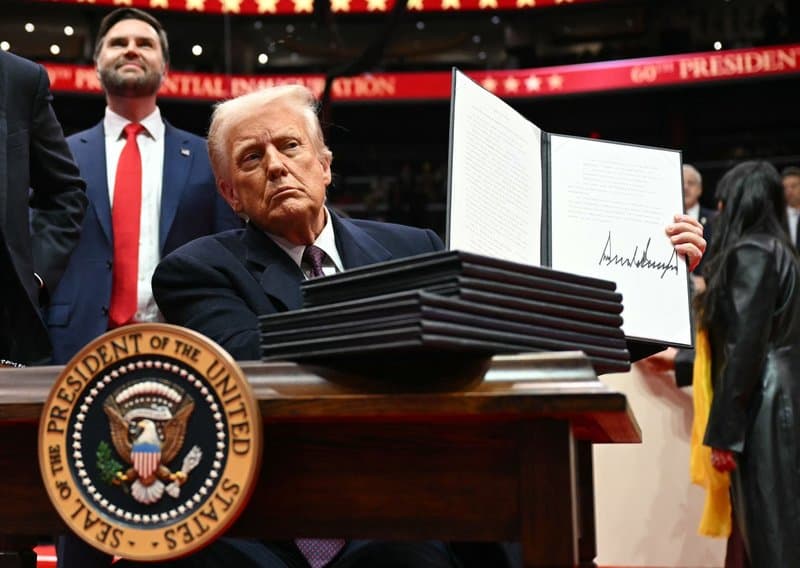
Prolonged Shutdown Stalemate
As of October 9, the shutdown of the U.S. federal government has entered its ninth day, with Congress still unable to reach a consensus on a temporary funding plan. The new proposal submitted by Republicans in the Senate did not receive enough votes, while the alternative proposed by Democrats was also rejected. With repeated voting failures, the deadlock is gradually solidifying, forcing hundreds of thousands of federal employees into furloughs and halting critical data and public services.
Trump Increases Pressure on Democrats
Facing the fiscal impasse, President Trump stated during a White House Cabinet meeting that he would initiate permanent cuts to Democrat-led projects. He did not specify particular areas but emphasized that the cuts would target what Democrats are most proud of in their spending. This remark is seen as an attempt to strengthen his bargaining position in the budget negotiations, aiming to pressure Democrats into accepting his terms.
Last week, Trump hinted on the social media platform Truth Social that the shutdown presented a "unique opportunity to reprioritize government spending." He also mentioned discussions with White House Budget Office Director Russell Vought about freezing some infrastructure and climate-related funding. Previously, projects in cities like New York and Chicago had already faced funding freezes.
Democrats Strongly Oppose
Democratic leadership quickly responded, stating that Trump's strategy not only deepens party divisions but also directly harms the public interest. Several senators pointed out that freezing billions of dollars in infrastructure and clean energy funds would weaken local governments' ability to address transportation and environmental issues. Democratic lawmakers warned that if the White House continues pushing unilateral project cuts, future fiscal negotiations will be more challenging to bring back to a rational path.
Meanwhile, some Democrats are calling on moderate Republicans to collaborate on a bipartisan bill to break the stalemate. Analysts suggest that while this possibility exists, it remains highly uncertain given the current political climate.
Political Risks Increase Market Concerns
The ongoing fiscal shutdown has kept the markets on edge. U.S. Treasury yields remain relatively high as investors worry that if the shutdown drags on too long, it will impact the government's ability to meet obligations and the overall economy. Economists note that freezing infrastructure and clean energy funding not only affects jobs but could also hinder long-term growth.
Wall Street observers generally believe that Trump's threat to cut projects might boost his influence within the Republican Party in the short term, but it undoubtedly sends negative signals for the broader economy and market confidence.
Mutual Blame as Deadlock Remains
Trump insists that Democrats should be blamed for the shutdown and vows to "pay them back in their own coin." Meanwhile, Democrats accuse the White House of deliberately creating a crisis, using public projects as a political weapon. The mutual blame between the two parties highlights the deep political divide in Washington.
Stalemate May Drag On
As the government shutdown enters its second week, the range of limitations on federal agency operations continues to expand. Analysts warn that if the two parties cannot quickly reach a compromise, the fiscal stalemate may result in more severe impacts on the U.S. economy and international reputation. In the coming days, the Senate's repeated votes and the White House's specific cut list will be key points of attention for outsiders.









