
Dollar Benefits from Weakness in Major Currencies
The U.S. dollar index has been steadily rising this week, reaching its highest level since early August during the U.S. trading session. Market participants largely attribute the dollar's strength to the Federal Reserve's policy signals and the significant recent weakening of the yen and euro. Amid rising risk aversion, the dollar's status as a reserve currency is once again highlighted.
Yen Troubled by Political and Policy Issues
The yen fell to a seven-month low against the dollar. Investors attribute this move to domestic political uncertainty in Japan and expectations on central bank policy. The new ruling party leader, Sanae Takahashi, is viewed as a proponent of fiscal expansion. The market is concerned that her policies might align with a stance on loose monetary policy, weakening the fundamentals of the yen. Despite her attempts to reassure the market by emphasizing the avoidance of "excessive depreciation," there remain doubts about her ability to deliver on promises.
Euro Pressured by French Political Turmoil
The euro also weakened this week, with the political vacuum created by the resignation of France's Prime Minister and Cabinet hitting investor confidence. The euro fell to a two-month low against the dollar, reflecting a stagnation in fiscal reform and deficit reduction processes. Analysts point out that the euro may remain under pressure until French President Macron announces a new appointee. The combination of European political uncertainty and economic fragility has led to a marked decline in market risk appetite.
Federal Reserve Maintains Cautious Stance
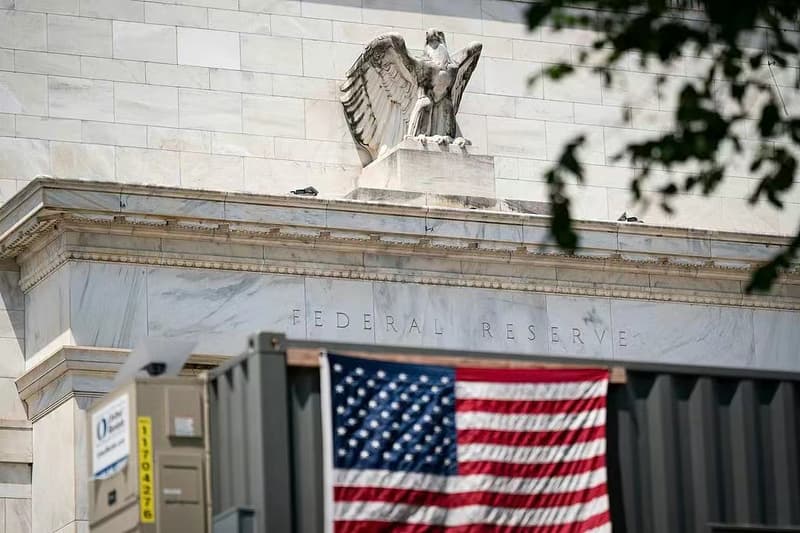
The Federal Reserve's September meeting minutes sent hawkish signals. Officials acknowledged a slowdown in employment growth but remained cautious on inflation issues. The market had previously anticipated several rate cuts this year, but the latest indications suggest the Fed might take a more gradual approach. According to CME's "FedWatch" tool, a rate cut in October is almost certain, yet the likelihood of another cut in December has decreased. This cautious tone further supports the dollar's strong performance.
U.S. Political and Fiscal Deadlock Intensifies Market Concerns
The U.S. government shutdown has entered its ninth day, with no signs of resolving the fiscal deadlock. Nevertheless, the Treasury market's performance is relatively robust, with the latest 10-year Treasury auction seeing strong demand and yields remaining around 4.1%. Analysts note that despite the uncertainty from the shutdown, the market continues to regard U.S. Treasuries as safe assets, limiting the downside risk for the dollar.
Global Inflation and Consumer Confidence Under Scrutiny
Apart from currency and political factors, rising food prices continue to affect U.S. consumer expectations. The New York Fed's survey indicates consumer confidence in the future economy is tending towards caution, with rising concerns about employment and inflation. Investors are closely watching the upcoming University of Michigan Consumer Sentiment Index and inflation expectations data for further clues on future monetary policy.
Market Outlook
In the short term, the upward trend of the dollar may continue. If the yen and euro remain under pressure, the dollar index could rise further. The Federal Reserve’s policy path remains the market's focal point, while a prolonged U.S. domestic fiscal deadlock could have a greater impact on risk sentiment. Overall, the dollar is still in a strong cycle, but market volatility is expected to remain high.









