The Dollar Continues Its Strength
During the US trading session, the dollar index rose again, reaching its highest level since early August. Investors generally believe that the dollar's strength is due to multiple factors: on one hand, the decline of the yen and euro has led to alternative demand for the dollar; on the other hand, the Federal Reserve's policy stance continues to support the dollar. Overall, the combination of risk aversion and policy expectations makes the dollar highly attractive among major currencies.
Pressure on the Yen and Japan's Political Uncertainty
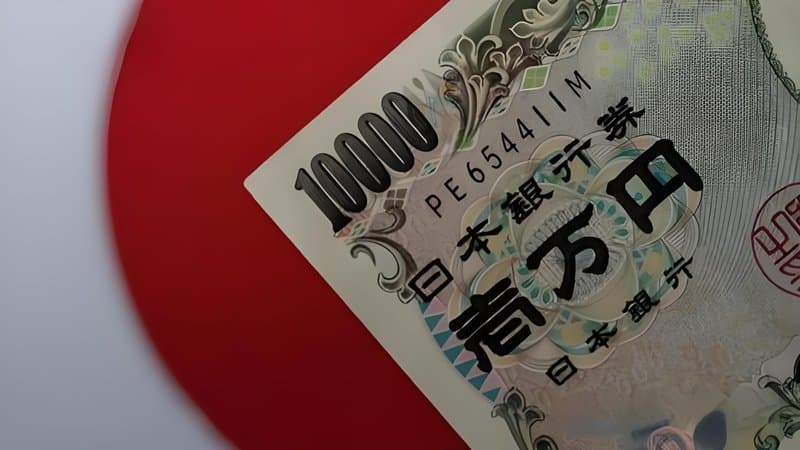
The yen to dollar exchange rate hit a seven-month low. The market generally attributes this to changes in Japan's domestic political landscape. The new ruling party leader Sanae Takaichi's fiscal stance is believed to potentially strengthen loose policies, weakening investor confidence in the yen. Although she has stated the need to "avoid excessive devaluation," there is skepticism about her ability to push fiscal stimulus measures and control inflation. This uncertainty keeps the yen under pressure in the international foreign exchange market.
Euro Weighed Down by French Political Situation
Like the yen, the euro has recently been weak. The collective resignation of senior French government officials has shaken investor confidence, leading the euro to fall to a two-month low. The political stalemate has stalled fiscal reforms and deficit control measures. The market is waiting for French President Emmanuel Macron to appoint a new cabinet, but until the situation clarifies, the euro is expected to remain in a weak position. European political risks combined with the fragility of economic prospects further enhance the dollar's position as a safe haven asset.
Fed Minutes Reinforce Cautious Expectations
The latest minutes from the Fed's September meeting show that although officials generally believe labor market growth needs to be slowed through rate cuts, they remain highly vigilant on inflation issues. The hawkish signals led the market to revise its previous expectations of "rapid multiple rate cuts." Trading data shows that a rate cut in October is almost certain, but expectations for further cuts in December have cooled. This cautious policy stance reinforces the dollar's medium-term support.
Limited Impact of US Government Shutdown
Notably, the US government shutdown has entered its ninth day, with fiscal operations disrupted, causing some government agencies to suspend work. However, the market response has been relatively stable. The latest Treasury auction results show that demand for US Treasuries remains steady, with the 10-year yield hovering around 4.1%. This indicates that despite short-term political disruptions, investors' trust in US Treasuries as a safe haven asset has not significantly wavered.
Market Outlook
Analysts point out that the dollar's strength may continue in the short term. If political risks in Japan and France persist, the dollar's relative appeal will further increase. Meanwhile, the Fed's cautious tone means that monetary policy will rely more heavily on future inflation and employment data. Should the US government shutdown become prolonged, it could pressure market confidence, but for now, the dollar's status as a reserve currency remains firm.
Multiple Factors Driving the Dollar Up
Overall, the rise in the dollar index is not driven by a single factor but is the result of the weakening yen and euro, US monetary policy signals, and geopolitical uncertainties working together. In the current environment, the dollar has a clear advantage, but the market will closely watch the developments in European and American political situations and the Fed's subsequent policy moves to assess whether the dollar's strength can persist.