The Confidence Vote Becomes a Turning Point for the Government
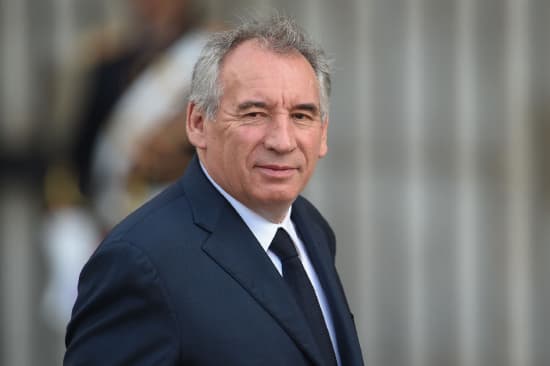
A crucial moment is approaching in French politics. Prime Minister François Bayrou has announced that he will submit a budget proposal to the National Assembly on September 8 and initiate a vote of confidence. This decision will not only test the feasibility of fiscal reforms but may also determine whether the current government can continue to govern. Bayrou acknowledged the high risks involved but emphasized that "the greatest danger is doing nothing."
President Macron has approved an early assembly to allow the government to confront the budget issue head-on. Bayrou hopes to use this action to compel all parties to make their positions clear, thus breaking the long-standing deadlock in fiscal policy.
Budget Plan Details and Controversy
The core of Bayrou's budget proposal is to cut expenditures by approximately 44 billion euros (about $51 billion), coupled with tax increases, to prevent further deterioration of France's public finances. He believes this is the only way to avert a fiscal crisis, which includes a controversial measure to abolish two public holidays.
However, the plan has sparked significant backlash both inside and outside the assembly. Critics argue that additional taxes and holiday reductions will further impact household consumption and social stability, while supporters stress that without harsh measures, France's debt risk could worsen dramatically.
Opposition's Collective Stance
In response to Bayrou's actions, several parties quickly expressed their positions. The left-wing La France Insoumise, the Greens, and the far-right National Rally have all stated they will vote against it. Socialist Party leader Olivier Faure also confirmed that he will not support the government.
National Rally leader Le Pen stated on social media that the Bayrou government follows Macron's policies, and that France has already fallen into economic trouble due to "eight years of Macronism." Her statement heightened concerns about the vote's outcome.
If the opposition camp remains united on September 8, the government faces a high risk of being overthrown. Should a majority of representatives vote against it, Bayrou would have to resign and submit the government's collective resignation.
Immediate Financial Market Reaction
The signals of political turmoil quickly transmitted to the financial markets. A basket of stocks with high exposure to domestic French risk tracked by Barclays fell by 2.9% on Monday, indicating a cautious outlook from investors on future prospects.
In the bond market, the yield spread between French and German 10-year government bonds widened by 5 basis points to 75 basis points, marking a new high since April. This trend is interpreted as investors demanding a higher risk premium to cope with potential fiscal and political uncertainties in France.
Dual Pressure of Politics and Economics
France's current fiscal situation is at a critical point, with high debt and low growth making it necessary for the government to make difficult choices between spending and reform. Although Bayrou's reform plan is contentious, its underlying logic is to prevent France from being seen as the "weak fiscal link" within the Eurozone.
Meanwhile, the fragile political situation exacerbates the difficulty of advancing reforms. The opposition not only opposes fiscal austerity but also intends to overthrow the government by rejecting the budget proposal, thereby reshaping the political landscape.
Outlook
In the coming days, the Bayrou government will engage in intensive lobbying, trying to secure support from centrists and some moderate representatives. Even so, the outcome of the confidence vote remains precarious. If the vote fails, France might face a political vacuum and further shake investor confidence.
Regardless of the vote's outcome, the National Assembly on September 8 will mark a pivotal moment in French politics. For the government, it is both a crisis of confidence and a major test regarding the future direction of fiscal policy.