Job Demand Experiences Largest Decline of the Year, UK Labor Market Significantly Cools
According to the latest data released on Monday by the recruitment website Adzuna, the UK labor market showed a marked deterioration in November. The data indicates that over the 12 months ending in November, the number of online job advertisements in the UK decreased by 15.2% year-over-year, marking the largest decline since 2025. Month-over-month, November's job demand fell by 6.4%, marking the fifth consecutive month of decline, indicating a continued lack of enthusiasm for hiring.
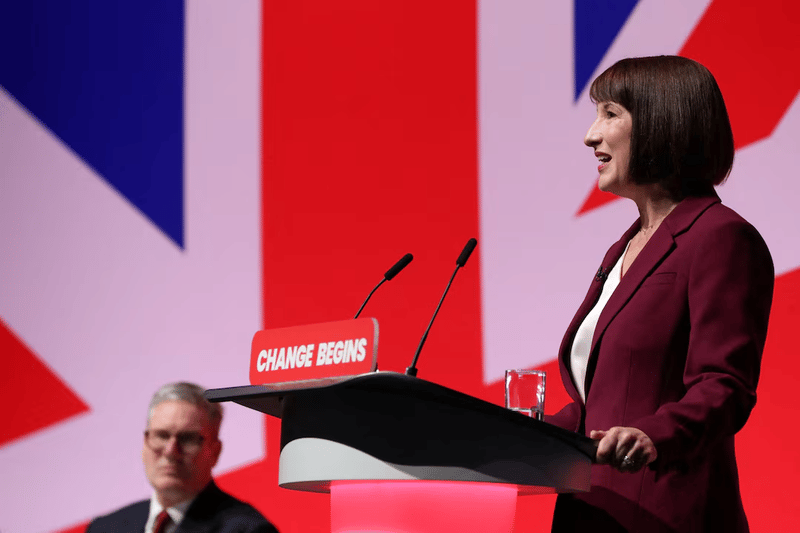
It is widely believed that the uncertainty brought about by macroeconomic policies is behind this recruitment drought. UK Finance Minister Rachel Reeves increased employer social security contribution costs in her first budget in April last year, directly causing businesses to become hesitant in expanding their workforce. With the release of the second budget at the end of November, market fears over further tax increases have spread, further dragging down employment performance. Official data shows that in the three months ending in October, the UK unemployment rate rose to 5.1%, the highest level since 2021.
Wage Growth Accelerates Unexpectedly, IT Sector High Salaries Intensify Inflation Worries
Despite fewer vacancies, starting salaries for retained positions have been exceptionally strong, placing the UK economy in a paradoxical situation. The Adzuna report shows that in November, the average starting salary in job advertisements increased by 7.7% compared to the same period last year, surpassing the previous month's 7.3% growth rate. Among the surveyed industries, aside from two sectors where salaries declined, all others showed growth, with the IT industry experiencing particularly significant wage increases, becoming the main engine driving overall salary levels.
This "fewer jobs, higher starting salaries" anomaly highlights the situation of a structural labor shortage. Employers, in order to compete for key talent in a shrinking labor market, are forced to pay higher premiums. However, the rapid wage growth is not seen as good news by the Bank of England. Although the central bank initiated a rate cut path last week to stimulate the economy, this wage-driven cost increase is likely to translate into imported inflation, making it difficult for the central bank to balance economic growth with price stability.
Policy Costs and Recession Risks Intertwine, Central Bank Faces a Decision Dilemma
Currently, the UK economy is at the crossroads of a policy digestion period and a turning point in data. The Treasury's strategy of increasing business burdens to offset the fiscal deficit seems to be generating negative chain reactions. On one hand, the rising unemployment rate suggests increasing risks of economic weakness; on the other hand, the soaring wage growth continuously pushes up inflation expectations. This complex situation makes future interest rate path decisions extremely challenging for the Bank of England.
Analysts point out that if the second budget released at the end of November indeed includes further tax increases, the UK job market may face a deeper downturn in early 2026. For the Bank of England, the current dilemma lies in: if they continue to cut interest rates to counter rising unemployment, they may further stimulate already high wage inflation; but if they maintain high interest rates, the already struggling job market might completely collapse. In this predicament, the downward pressure on the UK labor market and the confrontation with wage inflation will become the market's focus in the coming months.