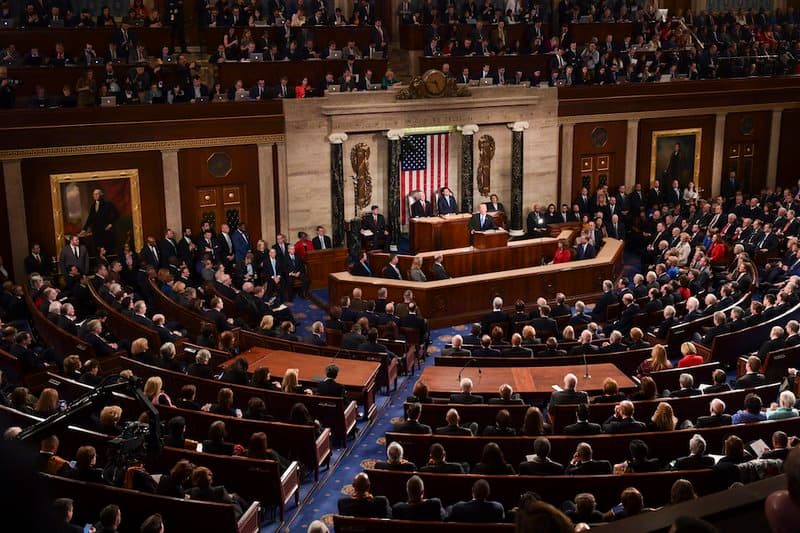
Bipartisan Lawmakers Push Legislation, Cryptocurrency Tax Framework Leaning Towards Traditional Securities
In response to uncertainties arising from the regulatory vacuum of digital assets, U.S. House members from both parties are displaying rare cooperation. Ohio Republican Congressman Max Miller and Nevada Democratic Congressman Steven Horsford have recently co-drafted a cryptocurrency tax framework proposal. The core aim of this proposal is to end the ambiguity in the tax treatment of digital assets by establishing clear legal provisions, officially aligning the taxation method of cryptocurrencies with traditional securities and commodity transactions.
For a long time, the cryptocurrency industry has been calling for legislative clarity on tax treatments to reduce compliance costs and stimulate market vitality. The emergence of this proposal is an active response to industry demands. The draft not only includes comprehensive legislative texts but also clarifies future policy goals, attempting to make a breakthrough in the taxation field before reaching consensus on broader digital asset regulatory legislation. This move is seen as a significant milestone in the U.S.'s process of promoting digital asset compliance.
Stablecoin Transactions to Be Exempt from Capital Gains Tax, Delay in Taxation on Staking and Mining Rewards
In terms of specific provisions, the most groundbreaking proposal in the draft is the tax exemption for stablecoins. The draft suggests that transactions involving stablecoins, which maintain a long-term value between $0.99 and $1.01 and are officially regulated, will be exempt from capital gains tax. This means that investors will no longer face cumbersome tax settlements when using stablecoins for daily payments or asset conversions. This initiative aims to recognize the "cash-like" nature of stablecoins, rather than merely viewing them as speculative assets, which is expected to greatly promote the adoption of stablecoins in the payment sector.
In addition, regarding the core blockchain validation mechanism, the draft establishes safe harbor rules for Staking and Mining rewards. There is currently significant debate in the industry on whether rewards obtained through transaction validation should be taxed "upon generation" or "upon sale." The new draft leans towards deferred taxation, meaning tax obligations will not be triggered at the time of reward distribution to participants, but rather when the assets are finally disposed of. This provision not only eases the cash flow pressure on validators but also provides policy incentives for the construction of blockchain infrastructure.
Aligning with Securities Tax System to Attract Foreign Investment, Digital Assets to Be Included in Global Asset Allocation
Another highlight of the draft is the formal inclusion of cryptocurrencies within the existing tax system covering securities and some commodity transactions. This implies that digital assets will no longer be viewed as "outliers" in the tax system but rather be normalized as a type of financial instrument. The draft specifically mentions extending the capital gains tax exemption policies, currently applicable to traditional securities transactions, to digital assets, particularly for foreign investors trading through U.S.-based third-party institutions such as brokers or exchanges.
By aligning the tax treatment of digital assets with traditional financial businesses like securities lending, the U.S. government intends to enhance the global competitiveness of its digital asset market. Analysts note that if foreign investors trading crypto assets in the U.S. can enjoy the same tax exemptions as securities, this could attract a significant influx of international capital into U.S.-licensed trading platforms. This would not only help secure the U.S.'s leadership position in the digital financial sector but also lay a solid fiscal and regulatory foundation for more comprehensive future legislation.