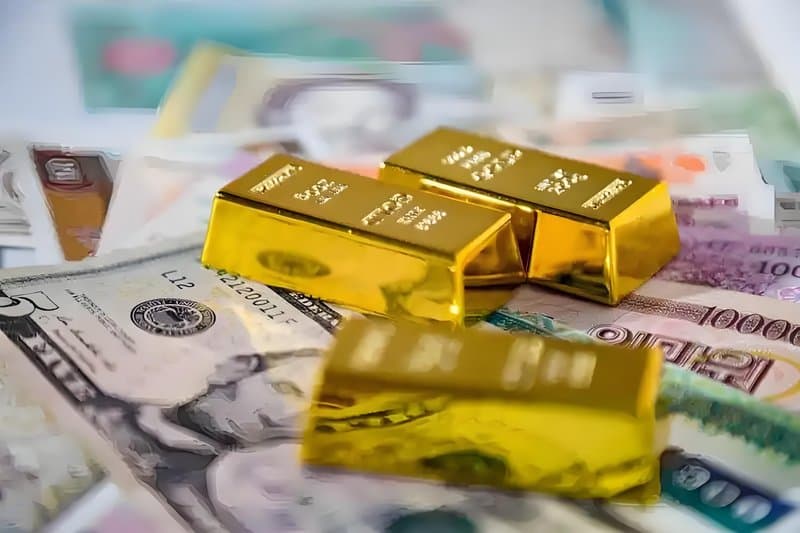
Gold Continues Strong Performance, Key Levels Draw Attention
International gold prices have been impressive lately, approaching the significant psychological threshold of $4,300 after consecutive rises. Market sentiment is markedly bullish, highlighting gold's renewed appeal as a safe haven asset. The price increase not only reflects concerns about macroeconomic uncertainties but also a consensus that global major central banks are maintaining a relatively loose monetary environment.
Following multiple policy stance adjustments by the Federal Reserve this year, investors’ expectations for a lower interest rate center have gradually formed, sustaining continued demand for gold. Entering this week, gold prices have remained relatively stable at high levels, indicating that bullish sentiment has not yet clearly retreated.
Monetary Policy Expectations Support, Potential for Rate Cuts Remains
Although the Federal Reserve has recently emphasized a more data-dependent approach, avoiding hasty actions, the market has not fully abandoned expectations of future monetary easing. Many investors still believe that if economic growth and employment show signs of slowing, policymakers have room to further adjust the interest rate path.
This expectation is a key factor supporting gold prices. Historical experience shows that during actual or anticipated downtrends in real interest rates, gold tends to perform more robustly. In the current environment, although inflation has not completely subsided, its marginal changes are sufficient to influence asset allocation structures.
Silver Volatility Increases, Precious Metals Show Divergence
Compared to gold's steady trend, recent price fluctuations in silver have been more dramatic. After reaching historical highs, silver experienced a technical pullback, indicating short-term profits were being realized. Silver's dual characteristics as a precious metal and industrial metal make it more sensitive to economic expectations and investor sentiment.
Some analysts point out that silver's decline does not necessarily signal a reversal in the overall trend of precious metals but is more likely a phase correction following rapid previous gains. Structurally, gold's safe-haven attributes still dominate in the current environment.
Non-Farm Data Approaching, Market Enters Wait-and-See Mode
Next, the U.S. non-farm employment data will be a crucial factor influencing market sentiment. Employment performance directly affects judgments about economic resilience and will provide important guidance for the Federal Reserve's next policy direction. Before the data is released, some investors are choosing to reduce risks, leading to gold prices primarily fluctuating at high levels in the short term.
If employment data significantly weakens, expectations for further easing may intensify, providing new upward momentum for gold prices. Conversely, if the data exceeds expectations, there might be a reassessment of the rate cut pace, putting downward pressure on gold prices.
How Far Can the Bulls Go? Depends on Macroeconomic Signals
In summary, gold's current position is both a testament to the bulls’ achievements and an area where risks are gradually accumulating. Support factors remain, but further increases require support from new macroeconomic catalysts. Market focus is shifting from mere policy expectations to the interaction between data and policy.
In the context of persisting global uncertainty, the long-term value of gold as an investment has not diminished, but short-term trends will depend more on the validation of key economic data. The outcome of the non-farm report may determine whether this bull run continues with exuberance or enters a consolidation phase.