

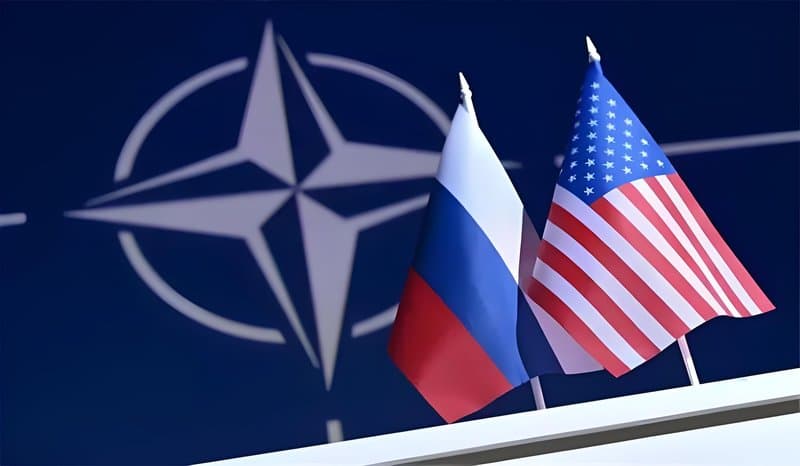
U.S. Treasury Launches New Sanctions Action
On October 22nd local time, the U.S. Treasury Department issued a statement announcing a new round of sanctions against the Russian energy sector, targeting two major energy giants, Rosneft and Lukoil, along with their subsidiaries. The sanctions took immediate effect, restricting all companies in which these two hold a direct or indirect stake of over 50%.
According to the Office of Foreign Assets Control (OFAC), the move aims to further weaken Russia's ability to generate fiscal revenue through energy exports. The statement noted that the sanctions apply not only to the parent companies but also to several operating subsidiaries located within Russia and abroad, covering various stages of oil extraction, refining, transportation, and trade.
A Treasury spokesperson stated that the U.S. "will continue to take decisive action to cut off Russia's energy revenue streams to global markets" and emphasized that the decision was made in coordination with allies.
Expanded Sanctions Affect Global Energy Market
The scope of these sanctions is significantly broader than previous ones, not only restricting the business dealings of the two companies in the U.S. but also prohibiting American citizens and businesses from engaging in any form of transactions, investment, or financial dealings with them. Freezing measures will apply to their assets in the U.S., and financial institutions are banned from providing settlement services for related transactions.
Analysts note that this marks a shift in U.S. sanction policies from targeting individuals to directly striking core industries, particularly the energy export sector. With Rosneft and Lukoil being pivotal to Russia's crude oil exports, their foreign subsidiaries that operate in Asia, Europe, and the Middle East may cause short-term disruptions in the global oil supply chain.
An energy advisor commented, "This move by the U.S. signals politically to the global oil market that energy remains a crucial tool in geopolitical contests."
Russia May Respond with Countermeasures
In response to the sanctions, the Russian Ministry of Energy has not yet commented, but a Kremlin spokesperson previously warned that the unilateral sanctions by the U.S. "violate international economic order" and could trigger countermeasures.
Russian media reported, citing government sources, that Moscow is considering legal measures to restrict crude oil export permits to the U.S. and its allies and to strengthen energy cooperation with non-Western countries, including China, India, and the Middle East. Analysts suggest this could lead to further fragmentation of the energy trade pattern.
In addition, Russia may bypass some financial sanctions by using the ruble for settlements and engaging in digital currency transactions to maintain export channels.
Cautious Reactions from Western Allies
While the U.S. emphasized that the actions were "in coordination with allies," Europe's response has been relatively cautious. The EU Energy Commissioner stated at a press conference that the EU would "closely assess the impact of the sanctions" and ensure the stability of regional energy supplies. Some EU member states fear that if Russia further reduces crude oil and natural gas supplies to Europe, winter energy security issues may exacerbate.
Meanwhile, the governments of the UK and Canada issued statements indicating they would "consider similar measures," although no specific actions have been announced yet.
Initial Market Reaction and Future Outlook
Following the sanction announcement, international oil prices saw a short-term spike on the 22nd post-market, with Brent crude rising over 1.8%, breaching the $88 per barrel mark. Analysts believe that while the long-term supply impact may be limited, market sentiment reflects concerns over geopolitical tensions.
According to analysis by the U.S. think tank "Atlantic Council," this sanction action aims not only to weaken Russia’s financial income but also represents a strategic extension of the U.S. to maintain the global energy order. Experts indicate that if Russia takes retaliatory measures or expands the non-dollar settlement system, it will increase uncertainty in the energy market.
Energy Conflict Enters a New Phase
This sanction marks a deeper level of economic confrontation between the U.S. and Russia. As energy serves as the lifeline of Russia's economy, it becomes the focal point of sanctions once again, suggesting further politicization of the future international energy landscape.
Analysts generally believe that the market will experience volatility in the short term, while the long-term impact will depend on Russia's response strategy and the reactions of global buyers. Regardless of the outcome, the implementation of this round of sanctions indicates that the U.S.-Russia contest in energy and finance will continue to escalate, presenting new challenges to global energy security and geopolitical stability.






