Chairperson Selection Process Accelerates Significantly
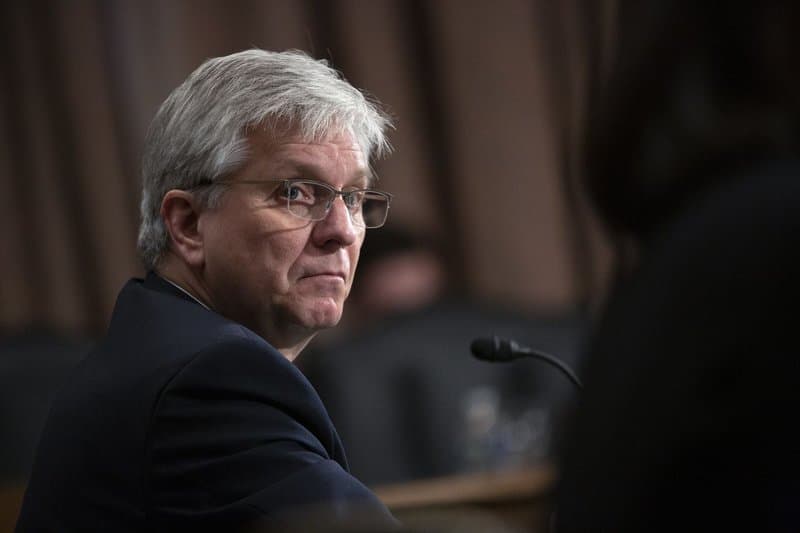
As the current Federal Reserve Chair approaches the end of the term, the White House is rapidly accelerating its selection process for a successor. According to multiple sources, President Trump plans to interview more potential candidates this week, including the current Federal Reserve Governor, Christopher Waller. Although the specific arrangements are subject to change, the overall pace suggests Trump aims to make a swift decision.
Officials from the Treasury Department have also indicated that the President's evaluation process is highly personal and may include last-minute changes due to his deliberations. This uncertainty itself adds new policy variables to the market.
Waller's Policy Stance and Professional Background
Among the candidates, Waller has attracted market attention with his clear monetary policy logic. Over the past year, he has become an advocate within the Federal Reserve for faster rate cuts, particularly emphasizing the need to avoid overly restraining the economy amid marginal relief in inflation and differentiated growth momentum.
Several analysts pointed out that Waller has strong capabilities for bridging academic frameworks with real-world policy, with some of his arguments already adopted by the current chair and impacting internal discussions. This "technical persuasiveness" makes him a candidate perceived as capable of playing a coordinating role amidst increased divergences within the Federal Open Market Committee.
Political Trust Becomes a Subtle Threshold
However, Waller's disadvantages are also evident. Compared to other contenders, he lacks long-term, direct political interaction with Trump. Some close to the White House privately believe that Waller's previous voting record in favor of more substantial rate cuts at critical junctures could be interpreted as a "deviation" in political stance, thereby affecting the President's assessment of his loyalty.
In Trump's view, the "lesson" from the last chair appointment remains fresh. He has publicly stated multiple times that he does not want to appoint someone who may diverge from his policy direction at crucial moments. Hence, aligning policy views is merely a basic requirement, while personal trust and political intuition are becoming higher-level selection criteria.
The Relative Advantages of Other Contenders
Among the current strong candidates are former core White House advisors who maintain close communication with Trump, as well as seasoned policymakers with backgrounds in central banking or markets. These contenders are often seen as more familiar with the President's decision-making style and more likely to form policy communication synergy.
Supporters argue that having White House experience does not necessarily weaken central bank independence, but rather could enhance policy coordination efficiency. However, critics worry that overly close political ties might undermine market confidence in the central bank’s neutrality.
The Interview Method Reflects Selection Logic
From available information, Trump's interviews are not merely formalities but focus on fundamental monetary policy issues. He not only looks at the rate path itself but also probes deeply into candidates' views on the central bank's structure, research systems, and economic mechanisms. This emphasis on "principled understanding" makes the selection more of a test of ideas rather than a mere evaluation of resumes.
In this process, candidates' abilities to respond to complex questions in a simple and direct manner are considered important plus points.
The Market's Core Focus Is Not on Individuals
For financial markets, the true focal point is not just who will be successful, but how the next chair will balance the expectations of rate cuts, inflation risks, and political pressure. Amid the current global divergence in monetary policies and complex domestic economic signals, the Federal Reserve's leadership style will directly impact policy predictability.
Regardless of who is ultimately chosen, the market is waiting for a clearer signal: whether the future Federal Reserve will emphasize more data-driven approaches or be more susceptible to political cycles. This answer may be more important than the individual’s name itself.