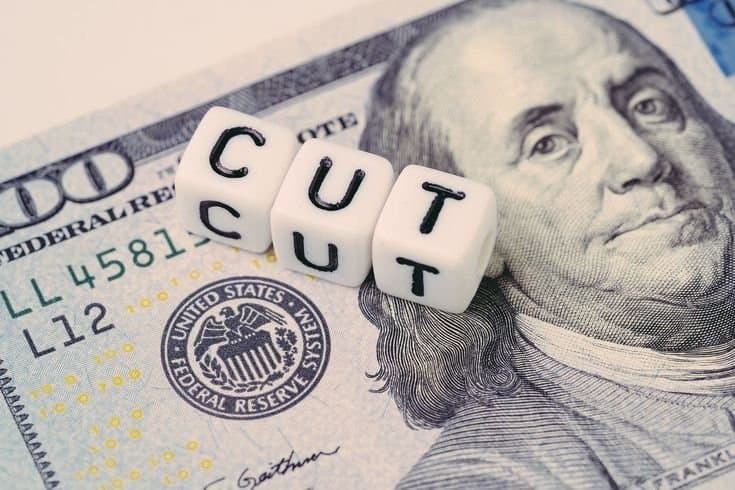
Data Rebound Triggers Market Anxiety
As the U.S. government shutdown ends, market focus quickly shifts to the upcoming economic data releases. These delayed statistics are seen as key indicators to gauge the true temperature of the U.S. economy. Investor sentiment is gradually turning from optimistic to cautious, fearing that a strong economic performance might weaken the expectation of rate cuts.
Market analysts point out that the recent rise in the stock market has been mainly concentrated on AI concepts and large tech stocks, driving the S&P 500 Index to new highs. However, this structural rise, led by a few leaders, challenges the overall stability of the market. If macroeconomic data show unexpected inflation pressures or growth, investor confidence could rapidly shake.
Nomura Strategist Warns of "Reverse Risks"
Charlie McElligott, cross-asset strategist at Nomura, warned in a report that the market underestimates the potential risk of "economy stronger than expected." He noted that most investors currently hope for a "Goldilocks" economy—moderate growth, controlled inflation, allowing the Federal Reserve to cut rates smoothly and achieve a soft landing.
However, McElligott believes this scenario might be overly idealistic. If consumption and employment remain high while price pressures reemerge, the market might be forced to reprice a more "hawkish" Fed policy path. In other words, the expectation for rate cuts might shift to maintaining high rates for longer or even raising rates again.
He pointed out, "The current risk is that the market generally underestimates the resilience of continued economic expansion. Once the data show sticky inflation, the Fed might have to adopt a tighter stance."
Investors May Face "Rate Cut Illusion" Collapse
The CME’s FedWatch tool shows that the market is still betting on a roughly 55% chance of a 25-basis point rate cut by the Fed at the December meeting. However, some analysts believe that if the data perform strongly, this probability might quickly decline.
Currently, the market expects the federal funds rate to drop from the 3.75%-4% range to 3%-3.25% by the end of 2026. But should the economy grow beyond expectations, with active corporate investment and consumer spending, the Fed may be forced to maintain the current high rate level longer, thereby weakening the stock market's reliance on liquidity easing.
McElligott particularly emphasized that with the expansion of AI technology investment, companies might reduce buyback sizes, weakening the stock price support effect; meanwhile, the wealth effect and labor market resilience are extending the economic cycle, making policy shifts more uncertain.
Risk Gamble Amid High Data Volatility
Analysts generally believe that the upcoming weeks of inflation, retail sales, and employment data will be crucial for market direction. If data indicate continuous growth and price pressure, bond yields might rebound, the dollar strengthen, and the stock market potentially correct.
Meanwhile, if data reflect cooling consumption or easing inflation, the Fed might continue to cut rates, thereby supporting a rebound in risk assets.
Regardless of the outcome, as data resumes, short-term market volatility is bound to intensify. For investors, a "strong economy" is no longer purely advantageous and might become a "reverse signal" prompting the Fed to tighten policy again. This subtle policy game could determine the true direction of the U.S. stock market by the end of 2025.