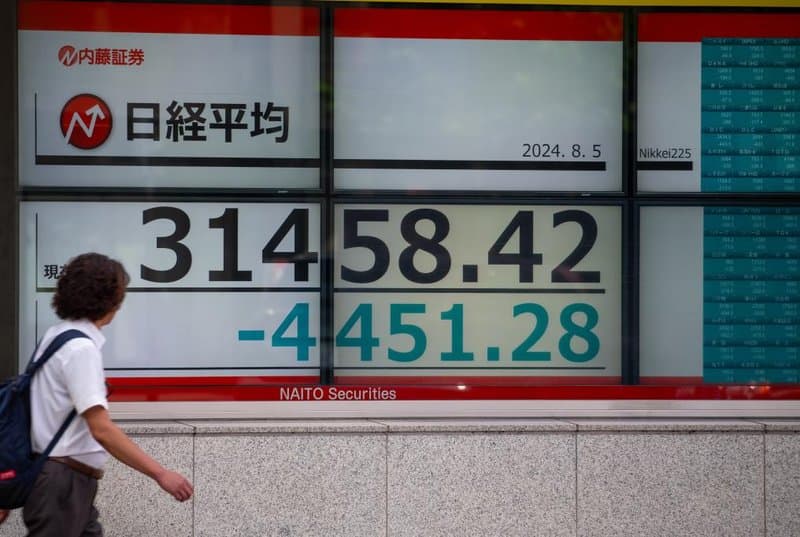
Nikkei 225 Index Opens Lower, Technology Sector Takes a Hit
On Wednesday (November 13), the Asian market opened with the Nikkei 225 Index slightly down by 0.1%, at 51,013.15 points, continuing the volatility from the previous trading day. Analysts point out that the sustained pressure on the technology sector is the main reason for the index's decline.
The Tokyo market opened with weakness in the chip manufacturing equipment and semiconductor materials sectors, with leading stocks like Tokyo Electron and SCREEN Holdings experiencing significant declines. The market expects fluctuations in U.S. technology stocks are affecting investment sentiment in Asian markets, with investors choosing to remain cautious before the release of key economic data.
Japanese traders note that current short-term market fluctuations are more due to global technology valuation adjustments and the continued weakening of the yen. "The technology sector is under profit-taking pressure after continuous gains, and the slowdown in foreign capital inflow exacerbates this correction," said Nomura Securities' senior strategist Kenichi Matsuoka.
Investors Focus on Japanese Inflation and Policy Signals
In addition to technology stock volatility, the market is closely monitoring the future of the Bank of Japan's monetary policy. Recently, several officials have hinted at reassessing the sustainability of ultra-loose policies by year-end, prompting investor speculation on the timing of interest rate hikes.
Meanwhile, Japan's October core CPI data is about to be released, with the market generally expecting the inflation rate to remain around 2.8%. If the data exceeds expectations, it could push up Japanese bond yields and put pressure on the stock market.
"The current market is more concerned about the combined risk of liquidity and policy turning points," said Mizuho Bank's chief economist Shinsuke Nakahara. "The Bank of Japan's stance will directly determine foreign capital allocation to Japanese stocks before year-end."
Korean Stock Market Opening Delayed Due to College Entrance Exam
On the same day, the Korea Exchange announced that to accommodate the smooth conduct of the national college entrance exam, the financial market opening would be delayed by an hour. Korea's stock and forex markets will open at 10 AM instead of 9 AM, with extending closing times accordingly.
Korean financial regulators stated this move aims to reduce traffic congestion and noise impact during the exam period. About 500,000 candidates nationwide are taking the exam, with temporary adjustments made to flights, construction, and some commuting routes.
Korean investors generally believe that although the delayed market opening has limited impact on market volatility, trading volumes may decline further amidst a globally cautious atmosphere.
Regional Market Sentiment Remains Stable, Investors Eye U.S. Inflation Data
The overall sentiment in the Asia-Pacific market remains cautious. The Hong Kong Hang Seng Index fell slightly by 0.3% in the morning, while Taiwan's Weighted Index rose modestly by 0.2%, indicating investors are awaiting the release of key U.S. economic data. The U.S. October CPI is due this week, considered an important reference for the Federal Reserve's December meeting decisions.
The market generally expects U.S. inflation to continue declining, but if the data unexpectedly rebounds, it may reignite concerns over an extended rate hike cycle, causing a ripple effect across Asian markets.
"Short-term trends in Asia-Pacific stock markets are more influenced by external macroeconomic factors," noted Citibank's Asia-Pacific strategy department. "Changes in U.S. inflation and bond yields will determine whether foreign capital flows back into Asian markets."
Market Volatility May Ease, Policy Expectations Are Key
Analysts expect that with several economic data set to be released this week, Asian stock markets may maintain a volatile pattern in the short term. Japan's market needs to focus on corporate earnings and exchange rate fluctuations, while the Korean stock market will return to normal trading post the college entrance exam.
Investors generally believe that if U.S. inflation data remains mild and the global interest rate environment stabilizes, Asian stock markets may experience a phase of rebound by year-end.
"While the market is under short-term pressure, structural opportunities remain," reported Sumitomo Mitsui Asset Management Company. "Especially in the energy and automotive sectors, which may become new growth engines amid a stabilizing global economy."
Conclusion
The slight drop in the Nikkei 225 Index and the delayed opening of the Korean stock market reflect the cautious stance of Asian markets amidst external uncertainties. As macroeconomic policy directions become clearer, investors will refocus on fundamental performance and corporate profitability outlooks.
As the year-end approaches, global markets are at a key intersection of monetary policy and economic cycles. The performance of Japanese and Korean markets may become another important window to observe the resilience of the Asian economy.