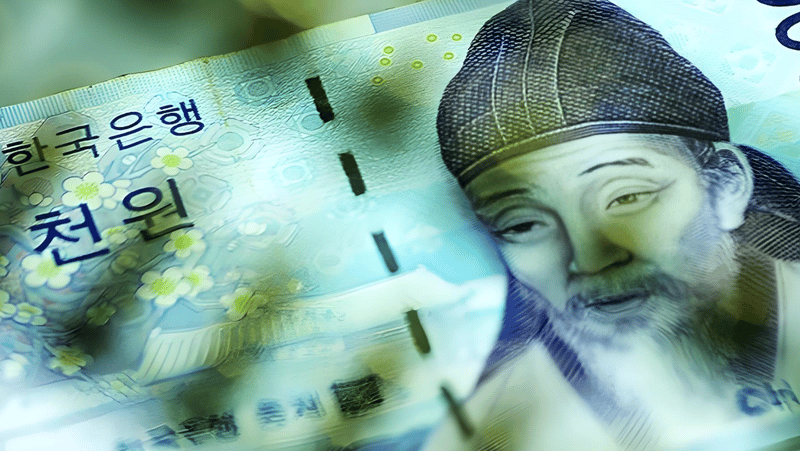
As 2025 draws to a close, the year-end trading schedule for South Korea's capital market has been officially confirmed. The Korea Exchange has recently announced the holiday schedule for both the stock and derivatives markets, which will directly impact investors' trading pace and capital planning.
Annual Trading Comes to a Close as Market Enters Holiday Mode
According to the announced schedule, South Korea's stock and derivatives markets will wrap up the year's last trading day on December 30. This means that, compared to some overseas markets, the South Korean stock market will enter a holiday break early at the end of the year, providing market participants with more ample time for year-end settlement and preparation.
Industry insiders point out that clarity on year-end trading times aids institutional investors in making asset allocation adjustments and managing their accounts, while also offering individual investors a clear reference for planning year-end holdings.
Continuous Closure During New Year Requires Advance Planning
As per the established schedule, South Korea's financial markets will be closed on December 31 and January 1 of the following year, in line with customary practices and adhering to the New Year's public holiday.
Market analysis suggests that during the continuous closure, fluctuations in international markets could still impact sentiment, but as the local market is closed, related risks will be concentrated post-holiday. Investors need to pay special attention to overseas macroeconomic data and major economy policy trends at the year's end to prepare for the first trading day of the new year.
Delayed Opening of New Year's First Trading Day Sends Signals
Notably, the South Korean stock market will reopen on January 2, but the opening time will be delayed by one hour, commencing trading at 10 a.m. This adjustment is seen as a routine measure by the exchange to allow buffer time for the first day of the new year's operations.
Delaying the opening helps with system maintenance, market order confirmation, and provides investors extra time to digest international market changes over the holiday. Historical experience shows that the first trading day of the new year often accompanies increased trading volume and choice of direction, and the time adjustment aids in enhancing market stability.
Limited Impact on Stock and Derivatives Markets
The exchange stated that the closure and opening time adjustments apply to both stock and derivatives markets, with related settlement and delivery processes being deferred according to established rules. Analysts believe that this arrangement has a relatively limited impact on overall market liquidity.
Institutions generally expect that year-end trading activities will focus on position adjustments and profit locking, while new year's first trading day's market performance will depend more on the macro environment, corporate fundamentals, and changes in global risk appetite.
Investors Focused on Early Year Market Trend
With the trading schedule established, market attention is gradually shifting to the performance as the new year starts. The trajectory of the South Korean stock market in 2025 will be influenced by global monetary policies, geopolitical situations, and the pace of domestic economic recovery.
Analysts remind investors to reasonably assess liquidity needs before the holiday to avoid the inconvenience of trading interruptions due to the market closure. Additionally, the delayed opening for the first trading day of the new year also provides a more substantial time window for the market to digest external information.
Overall, this year's end trading arrangement continues the Korea Exchange's usual steady pace, laying a foundation for a smooth transition into the new year.