
Background Analysis
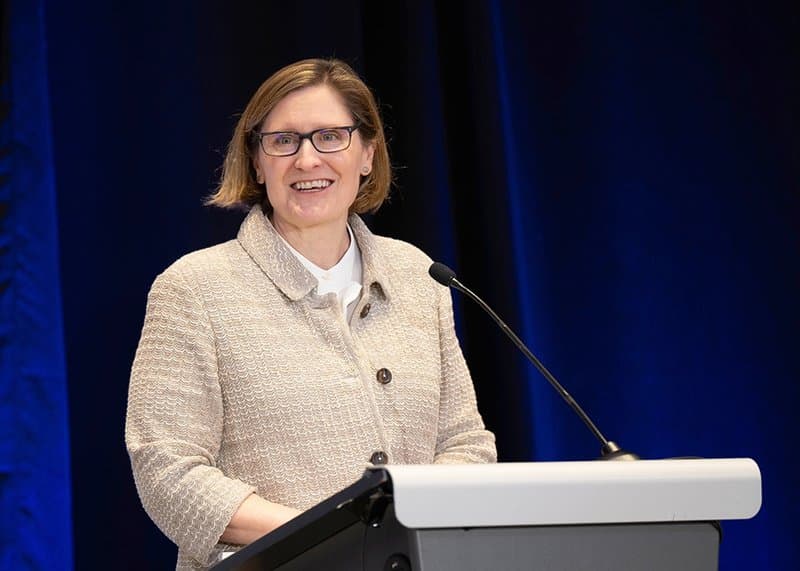
In her first public speech after taking office, Anna Paulson, the new President of the Philadelphia Federal Reserve, provided some key signals, especially regarding the U.S. labor market and the future direction of Federal Reserve monetary policy. She stated that the current U.S. job market risks are gradually intensifying, and inflationary pressures might escalate further due to tariff issues. In this context, rate cuts become an inevitable choice to maintain economic stability.
Labor Market Emergency
Paulson emphasized the severe conditions facing the U.S. labor market in her speech. She pointed out that although current employment data seems stable, potential risks in the labor market are rising, especially amid slowing economic growth and declining corporate confidence. Paulson made it clear that the Federal Reserve needs to lower the cost of borrowing through interest rate cuts to stimulate economic demand and alleviate labor market instability. She also added that rate cuts would help restore labor market vitality and ensure the long-term healthy development of the economy.
The Necessity of Rate Cuts
Paulson believes that although the Federal Reserve has already adopted some monetary easing policies, the current economic situation still requires further rate-cutting measures. She noted that with the slowdown in U.S. economic growth, particularly in manufacturing and services, rate cuts will become a necessary step to ensure smooth economic operation. The Federal Reserve has previously stated it will closely monitor employment data and economic growth, and Paulson’s remarks undoubtedly reinforce the likelihood of rate cuts.
Assessment of Tariff Impact
Notably, Paulson also analyzed the current U.S. tariff policy in her speech. She stated that tariffs might increase inflationary pressures in the short term, but their long-term impact on the economy is not as persistent as the market expects. She believes that although tariffs increase the cost of imported goods, over time, adjustments in the global supply chain and improvements in U.S. domestic production capacity will gradually mitigate the negative effects of tariffs. Therefore, Paulson believes that the impact of tariff policy on inflation will not be as long-lasting as the market anticipates.
Direction of Economic Policy
Paulson's speech revealed that the Federal Reserve will adopt more flexible and adaptive monetary policies in the future, especially regarding labor market and inflation issues. She emphasized that the Federal Reserve will continue to monitor economic data to ensure that appropriate policies are in place to address challenges as economic uncertainties intensify. Meanwhile, Paulson also reminded that although tariffs and trade frictions bring short-term impacts on the economy, the U.S. economy possesses strong resilience in the long term.
Summary
Anna Paulson’s first public speech provided the market with important clues about the future monetary policy of the Federal Reserve. She clearly stated that the risks in the U.S. labor market would prompt the Federal Reserve to further cut rates, while the impact of tariffs on inflation is shorter-term than expected. As the economic situation evolves, Paulson’s speech undoubtedly brings new discussion points to the global economy and offers direction for future policy adjustments.









