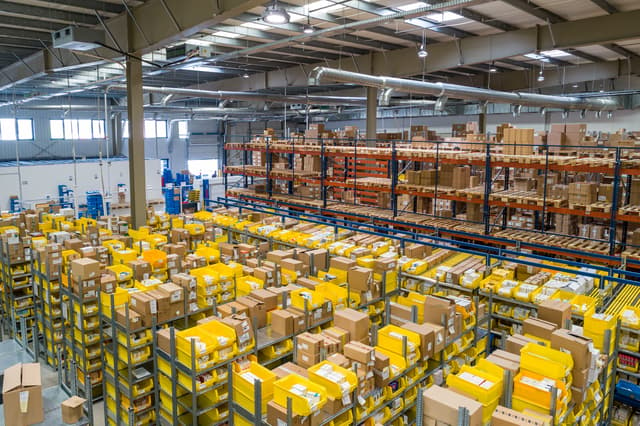
What are Storage Charges?
Storage charges refer to the total costs incurred for storing and safeguarding a certain quantity of goods or materials. These include both the storage and handling fees and the relevant administrative costs. When goods or materials need to be temporarily stored in a warehouse or other storage facilities, the warehouse operator typically charges the owner to cover the storage and management costs.
Storage charges are a significant cost factor in supply chain management. Companies and goods owners need to budget and control storage costs during the storage period to ensure economic and efficient storage operations. The specific calculation and payment methods should be negotiated with the warehouse operator and clearly stipulated in relevant contracts or agreements.
Types of Storage Charges
Depending on the industry, warehouse type, storage duration, and other factors, storage charges can be classified as follows.
- Warehouse Rent Fees: These are the basic storage charges required for renting warehouse space or storage facilities. Rent fees are typically calculated based on the warehouse's area, location, amenities, and storage duration.
- Inbound Fees: These cover the cost of receiving goods into the warehouse and registering and processing them. This might involve activities such as acceptance, counting, quality inspection, and placing goods on appropriate shelves or storage areas.
- Outbound Fees: These are the costs associated with removing goods from the warehouse, including picking items from shelves, packing, labeling, and loading them onto transport vehicles.
- Stacking Fees: These are the fees for storing goods within the warehouse. Stacking fees may vary based on the volume, weight, storage duration, and the storage equipment and areas used.
- Equipment and Tools Fees: These fees involve the use of warehouse equipment and tools for handling operations.
- Insurance Fees: These are paid to protect stored goods against loss, theft, or other risks. This fee usually depends on the value of the goods, storage duration, and insurance policy requirements.
- Security and Surveillance Fees: These cover the investment in security and surveillance systems to ensure the safety of the goods. This may include security cameras, intrusion alarm systems, security personnel, and access control equipment and services.
- Cleaning and Maintenance Fees: These are costs for keeping the warehouse environment clean and maintaining the facilities and equipment, including daily cleaning, maintenance, and repairs.
Factors Affecting Storage Charges
The specific amount and calculation method of storage charges are influenced by multiple factors. Here are some common factors:
- Nature of Goods: The volume, weight, stacking requirements, and other characteristics of the goods affect storage charges. For instance, perishable, flammable, or specially-handled goods may incur higher storage fees.
- Storage Duration: The length of time the goods are stored in the warehouse impacts storage charges. Warehousing service providers may have different rate structures based on the storage period, such as daily or monthly rates.
- Warehouse Size and Location: The scale, geographic location, logistics costs, and market competition of the warehouse affect storage charges.
- Warehouse Facilities and Equipment: The conditions of the warehouse facilities and equipment influence storage charges. Modern, safe, and efficient facilities and equipment may require higher investment and maintenance costs.
- Service Levels: Different levels of service and additional services provided by the warehouse can affect storage charges. For example, warehouses offering customized goods management, sorting, packing, labeling, distribution, and inventory reporting services may charge extra fees.
- Security and Insurance Requirements: The security and insurance requirements of the goods influence storage charges. If the goods need extra security measures and insurance coverage, the warehousing service provider may adjust fees to reflect the related costs.
- Supply and Demand: The supply and demand relationship in the storage market also affects storage charges. The scarcity of warehouse resources is usually positively correlated with storage fees.
Accounting Categories for Storage Charges
Storage charges are typically classified under the following accounting categories:
- Rent Fees: Costs associated with renting warehouse space or storage facilities, accounted for under "Leasing Fees" or "Rent Fees".
- Labor Costs: Human resource costs related to warehouse operations and goods management, including employee wages, training, and benefits, accounted for under "Labor Costs" or "Employee Compensation".
- Insurance Fees: Paid to protect stored goods against loss, theft, or other risks, accounted for under "Insurance Fees".
- Equipment and Facilities Costs: Costs related to warehouse equipment and facilities, including equipment rental and maintenance fees, accounted for under "Equipment Rental Fees" or "Equipment Maintenance Fees".
- Security and Surveillance Costs: Expenses incurred for investing in warehouse security and surveillance systems, including purchasing security equipment and maintaining surveillance systems, accounted for under "Security Equipment Costs" or "Surveillance System Costs".
- Cleaning and Maintenance Costs: Costs associated with daily cleaning, maintenance, and repair of the warehouse, accounted for under "Cleaning Fees" or "Maintenance Fees".
How to Reduce Storage Charges?
Reducing storage charges can help businesses lower operational costs and enhance the efficiency and competitiveness of the supply chain. Here are common methods to reduce storage charges:
- Optimize Inventory Management: Implement effective inventory management strategies, such as advanced inventory management systems, regular stocktaking, and inventory rotation, to reduce storage time and associated costs.
- Optimize Warehouse Layout and Stacking: Rationally plan the stacking of goods within the warehouse to maximize the use of available space, thereby reducing the warehouse area and saving on rent fees.
- Supply Chain Optimization: Improve supply chain processes and partnerships to optimize the logistics and transport of goods, reducing the time goods stay in the warehouse.
- Goods Classification and Labeling: Classify and label goods to ensure traceability and identifiability, reducing search and handling time within the warehouse.
- Optimize Labor Utilization: Train warehouse staff to improve their operational skills and efficiency. Plan work schedules rationally to ensure the continuity and efficiency of warehouse operations.
- Seek Reasonable Leasing Agreements: Negotiate the leasing period based on actual needs and forecasts to avoid overly long leasing periods.
- Review Insurance Policies: Adjust insurance fees based on the actual value and risk of the goods to avoid unnecessary expenses.
- Warehouse Efficiency Improvement: Introduce automation technologies and warehouse management systems to reduce labor demand and operational time, thus lowering labor costs.
- Review Supply Chain Partners: Evaluate partners in the supply chain, including storage service providers, logistics companies, and transporters, to obtain favorable prices and better services.
- Adopt Modern Technologies and Innovative Solutions: Pay attention to new technologies and innovative solutions that help companies achieve real-time monitoring of warehouse operations, predict demand, and optimize resource allocation.