
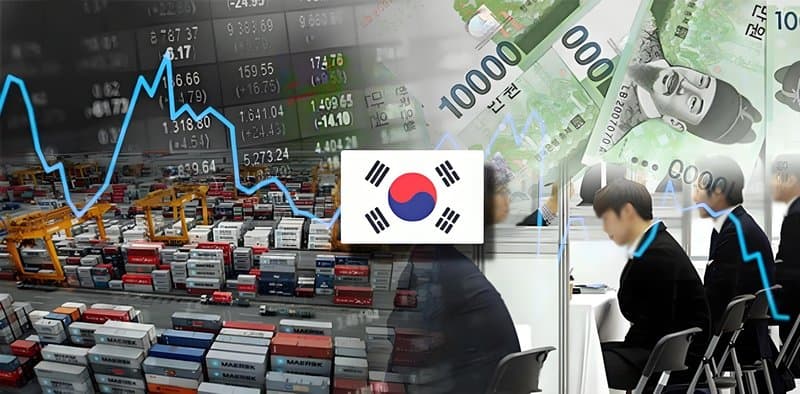
Asia-Pacific Markets Continue Upward Trend
On the opening day of July, major Asian stock indices generally displayed positive trends. The Nikkei 225 index rose slightly, while South Korea's KOSPI showed relatively strong performance with a 1% gain. Investor sentiment was boosted by various factors, including stable expectations for major global central bank policies, the warming outlook for the semiconductor industry, and strong corporate earnings results within the region.
Overall, the strong opening of the Japanese and Korean stock markets continued the rebound momentum from last week, indicating that, despite existing uncertainties in economic data, capital is gravitating towards Asia's core markets with more stable fundamentals.
Japanese Auto Stocks Continue Uptrend
Within the Nikkei 225 index, the automotive sector was a major driving force. Key automaker stocks gained momentum in early trading, supported by the weakening yen and optimistic North American sales data. Some analysts believe that Japanese car manufacturers are gradually recovering from global supply chain bottlenecks, while easing raw material costs are aiding profit recovery.
Meanwhile, with Japan's domestic policy regarding fuel car exports becoming clearer, investor expectations for the automotive sector have further improved. This return of industry confidence is being transmitted along the entire supply chain, including components, logistics, and raw material companies.
KOSPI Driven by Technology and Manufacturing
The strong performance of South Korea's KOSPI index is largely driven by the recovery prospects in technology and manufacturing. Blue-chip stocks such as Samsung Electronics and SK Hynix rose in early trading, providing support to the overall index. Market analysis indicates that the recent semiconductor inventory adjustments are nearing completion, and a new wave of AI-related orders is expected to boost earnings in the second half of the year.
Furthermore, the South Korean government recently emphasized plans to enhance fiscal and tax support for advanced manufacturing, further bolstering foreign investor confidence in the Korean stock market. Investors are also watching for the potential rebound in exports following the stabilization of the won, which provides a favorable policy and macro environment for Korean manufacturing companies.
External Risks and Policy Outlook Remain Variables
Despite the current optimism in the market atmosphere, analysts generally caution that external macro factors may still disrupt short-term gains. For instance, the path of U.S. interest rate policy remains unclear, and a slowdown in the European and Chinese markets could affect the export performance of Japan and South Korea. Additionally, global geopolitical dynamics maintain a degree of unpredictability, with any unexpected events potentially altering market sentiment quickly.
For Japan, inflation pressure and uneven wage growth remain concerns restraining consumer recovery. Meanwhile, South Korea must remain wary of the pressures on its financial system from rising corporate debt levels, especially in the context of high capital costs.
Investor Strategy Shifts to Defensive and Balanced Approach
As structural opportunities emerge, some institutional investors are beginning to adjust strategies, shifting focus from short-term speculation to mid-term planning, with a preference for policy-friendly industries and leading companies with stable cash flows.
In the coming week, Japan and South Korea will respectively release data on industrial production, consumption, and exports, providing the market with further grounds to assess economic resilience. In the short term, stock market fluctuations may still be limited by macro expectations, but mid to long-term allocation logic begins to emerge.









