

Criticism Focus: Old Models and Failing Predictions
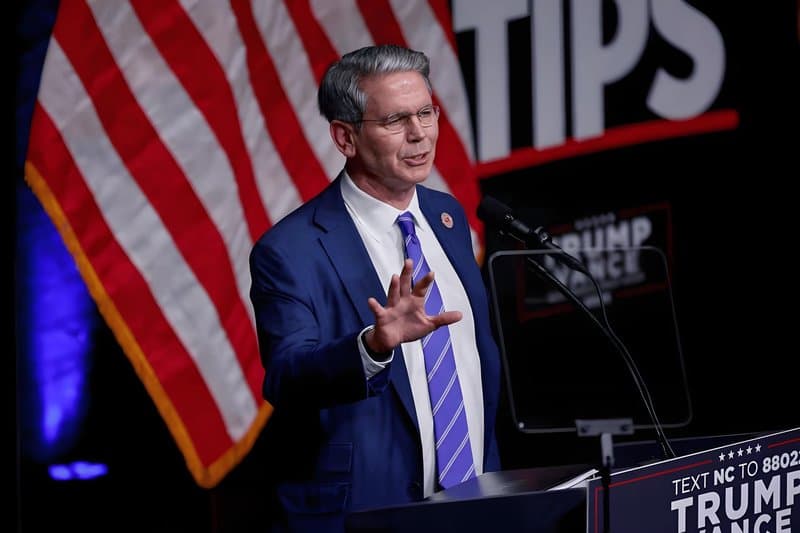
U.S. Treasury Secretary Scott Bessent openly stated that after the latest rate cut, the Federal Reserve continues with "past thinking," and its policy models and economic assessment methods no longer suit the current complex environment. He noted that, although the decision to cut rates by 25 basis points was "commendable," the subsequent official statement was overly cautious and lacked foresight. Bessent candidly pointed out that the Fed's predictions on inflation and GDP "repeatedly deviate from reality," proving that its economic models are "outdated." He believes that this disconnect causes policy reactions to lag behind market changes, "while the Fed is still relying on old data, businesses and capital have already restructured."
Succession Process: Second Round of Interviews in December
In an interview, Bessent revealed that the Treasury has completed the first round of selection and will conduct the second round of candidate interviews in early December, aiming for President Trump to decide on Powell's successor before Christmas. He emphasized, "We are not looking for mild adjusters, but for someone who can completely reshape the system." The final shortlist includes White House economic adviser Kevin Hassett, former governor Kevin Warsh, current governor Christopher Waller, Vice Chair Michelle Bowman, and BlackRock executive Rick Rieder.
White House Stance and Trump's Intentions
Trump recently publicly expressed his dissatisfaction with current Chairman Powell, calling him "lacking in judgment." He also praised Bessent's performance in the Treasury, stating "He always stabilizes the situation during market turmoil." Although Trump hinted at considering nominating Bessent to be the Federal Reserve Chairman, Bessent has clearly stated he will not accept the position and insists on leading the selection process. White House insiders revealed that Trump hopes the new chairman can coordinate with fiscal policy and have more execution and communicative skills in the interaction between monetary and fiscal policies.
Policy Disagreements: Rate Cut Pace and Future Guidance
The Federal Reserve announced a rate cut by 25 basis points this week, lowering the rate range to 3.75% to 4.00% to respond to a weak job market. However, the statement repeatedly mentioned data gaps and government shutdown risks, hinting at a possible pause in December. Bessent expressed strong dissatisfaction, believing that "the Fed should no longer use uncertainty as an excuse," and pointed out that its communication strategy "lacks clarity and accountability." He emphasized that future policy-making should balance "flexibility and transparency" and establish a more efficient policy review mechanism.
Market Reaction and Prospects for System Reform
Bessent's remarks attracted market attention, with investors generally believing that this signifies escalating tension between the White House and the Federal Reserve. Analysts noted that if the new chairman eventually comes from a Treasury background, the Fed's policy style might shift from "independent caution" to "cooperative pragmatism." Some economists believe that Bessent's proposed "comprehensive reform" could involve adjusting the voting structure of regional Feds, optimizing prediction models, and shortening the time lag between decision-making and market feedback. Overall, balancing inflation reduction with slowing economic growth remains a difficult task for the Fed, and the choice of successor and direction will determine the policy framework and global market confidence in the coming years.








