

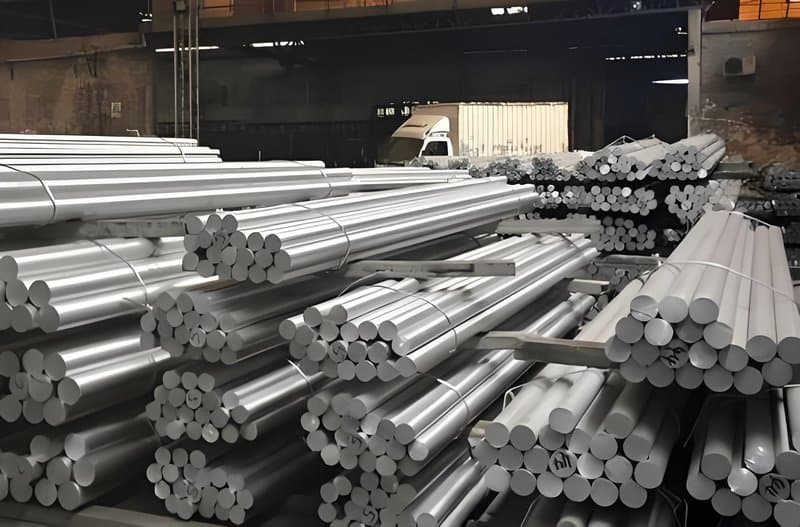
Aluminum Prices Soar to Historical High, U.S. Manufacturing Costs Surge
The U.S. spot aluminum market is experiencing unprecedented price pressure. With the government raising import tariffs and international supply chains tightening, the aluminum premium broke the historical record of 88.10 cents per pound last week. This level is equivalent to 1,942 dollars per ton, pushing the actual procurement cost of aluminum in the U.S. market close to 4,800 dollars per ton, the highest on record.
Analysts point out that this price surge not only reflects the impact of policy but also reveals the structural shortage in the global metal market. Since June, the U.S. government has increased aluminum import tariffs to 50% to revitalize the domestic smelting industry. However, in the short term, this has sharply increased costs for industries dependent on imports. Sectors such as construction, automotive, packaging, and energy are the first to be hit, with profit margins significantly squeezed.
Tarrif Pressure Adds to Supply Channel Constraints
Currently, the major aluminum supply to the U.S. comes from Canada. However, after trade negotiations between the two countries stalled, Canada failed to secure an exemption. According to U.S. trade data, over 2.7 million tons of aluminum are exported to the U.S. from Canada, accounting for 70% of U.S. imports. Once tariffs are fully effective, Canadian producers' export competitiveness will significantly decline, leading to continued declines in U.S. domestic inventory.
Market research firm Harbor Aluminum notes that the fundamental reason for the rise in U.S. aluminum premiums is the "double squeeze"—both high tariffs and tight supplies fermenting simultaneously. U.S. Midwest spot premiums have been rising for seven consecutive weeks since May, while domestic smelters' capacity expansion has not kept pace with demand. The industry generally expects high tariffs to persist, further driving up price expectations.
Global Supply-Demand Gap Widens, Intensifying Price Fluctuations
Besides U.S. factors, the global imbalance in aluminum supply is also exacerbating price fluctuations. According to the latest data from UK analysis firm Panmure Liberum, the global aluminum market is expected to face a shortfall of about 1.8 million tons this year, primarily due to production cuts by major Asian producers and rising energy costs.
In particular, the eastern region (major East Asian producers) has capped production at 45 million tons, showing no growth for two consecutive years. The decline in exports from this region is notably marked, with the net export of refined metals and semifinished goods collectively decreasing by nearly 900,000 tons over the past three years. Meanwhile, in Europe and parts of the Middle East, some smelters are producing about 1.1 million tons less annually due to high electricity prices, reducing global supply by more than 2 million tons.
Against this backdrop, international buyers are turning to the U.S. market to fill the supply gap, further heightening local purchasing competition and price pressure in the U.S.
Aluminum Industry Chain Faces Chain Impact
The continued rise in aluminum prices is affecting the entire industry chain. Companies in the U.S. construction and automotive sectors report that the increase in raw material costs is causing widespread budget overruns. Especially with the acceleration of new energy and infrastructure developments, high aluminum costs are becoming a key driver of "hidden inflation."
The packaging field is similarly affected. Aluminum can manufacturers point out that rising costs are forcing businesses to consider cutting profits or switching to alternative materials, but this could lead to supply chain restructuring and quality risks. The energy sector faces a dual challenge—aluminum is a critical raw material for power transmission systems and energy storage devices, and its price fluctuations could delay the advancement of new energy projects.
Short-term Cooling Unlikely, Policy Adjustment May Be Key
Industry insiders generally believe that aluminum prices will remain high in the coming months. Unless the U.S. government reconsiders its import tariff policy or reaches an exemption agreement with Canada and other major suppliers, the supply-demand imbalance is difficult to alleviate.
Market expectations are that if tariff pressure is not effectively relieved, U.S. companies will be forced to accelerate industry relocation or seek alternative materials, potentially weakening domestic manufacturing competitiveness. Meanwhile, investors are beginning to bet on the possibility of aluminum prices exceeding 5,000 dollars per ton, further increasing market volatility risks.
Overall, the surge in U.S. aluminum prices is not merely a simple price event but a result of combined global supply chain, trade policy, and energy structure adjustments. As market participants reassess risks, aluminum may become one of the most contentious and volatile focal points in the future commodity market.








