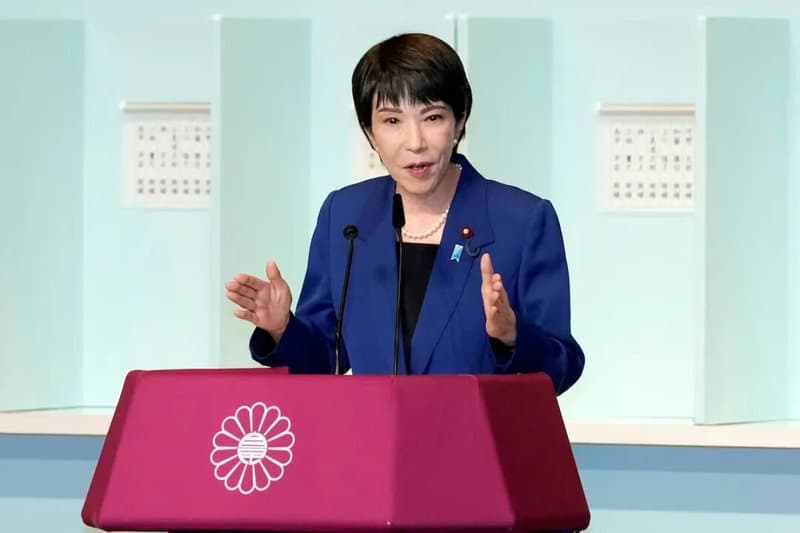
Takashi Set to Govern: A Historic Moment in Japanese Politics
Japanese politics is witnessing a historic transformation. Following the signing of the coalition agreement between the Liberal Democratic Party and the Japan Innovation Party, hardline conservative Sanae Takashi is nearly assured of becoming Japan's first female prime minister. The coalition holds 231 seats in the House of Representatives, just two short of a majority, ensuring her victory in the upcoming parliamentary vote.
After signing the agreement, Takashi stated that she would collaborate with the Innovation Party to drive economic restructuring and social reform in Japan, vowing to alleviate public financial pressure through fiscal expansion and tax cuts. Her staunch conservative stance and aggressive policy approach are widely expected to reshape Japan's economic and political landscape.
Policy Alliance Firm Yet Questionable: Innovation Party's Stance is Crucial
The formation of Takashi's governing coalition stems from the breakdown of the Liberal Democratic Party and the Komeito Party's 26-year cooperation. After Komeito's exit due to policy differences, Japanese politics reached an impasse, which was resolved by the Innovation Party's pivotal support.
However, analysts highlight potential concerns about the coalition's stability. The Innovation Party insists on a "small government" principle, demanding a 10% reduction in parliamentary seats and a two-year suspension of the food consumption tax. These positions potentially conflict with Takashi's emphasis on "spending expansion to stabilize the economy." Kohei Tamura, a political science professor at the University of Tokyo, remarked, "The coalition agreement appears more like a temporary expedient than a long-term partnership blueprint."
Fiscal and Monetary Policy Divergence: Yen Volatility Period
Financial markets quickly reacted to the political shift. As expectations of Takashi's leadership grow, investors are betting that her expansionary fiscal policies will increase government spending, thereby weakening the yen. On Monday, the US dollar briefly surpassed the 152-mark against the yen on the Tokyo forex market, a peak not seen since 2022.
There are widespread concerns that Takashi's "fiscal expansion—monetary easing" combination will undermine the independence of the Bank of Japan. Takashi has publicly criticized the central bank's rate hikes, arguing they "prematurely stifle economic recovery." Nomura Securities pointed out in its report that if Takashi insists on fiscal stimulus after taking office, the yen may remain under pressure, and Japan's government bond yields may rise again.
Nikkei Index Surges: Investors Bet on Policy Stimulus
Despite rising political risks, the stock market reaction has been notably positive. Driven by expectations of fiscal expansion, the Nikkei 225 index surged 3.4%, marking its largest single-day gain of the year. Financial and construction stocks led the rise, reflecting investor optimism about infrastructure spending and corporate tax cuts.
Yuu Takahashi, an economist at Morgan Stanley's Tokyo branch, stated, "The market is betting that the Takashi government will initiate a new round of economic stimulus, which will benefit the stock market in the short term, but it may also amplify the risk of yen depreciation."
Takashi's Reform Agenda Sparks Social Debate
Beyond economic issues, Takashi's social policies have also sparked wide-ranging debate. She advocates revising the constitution to clarify the status of the Self-Defense Forces, opposes immigration expansion and gender equality policies, and openly opposes allowing women to keep their surnames after marriage.
Sociologists point out that Takashi's traditionalist stance might exacerbate social divisions but will further consolidate the conservative political support base. The Innovation Party has stated that it will not participate in cabinet positions for now, considering entering once the cooperation mechanism stabilizes.