

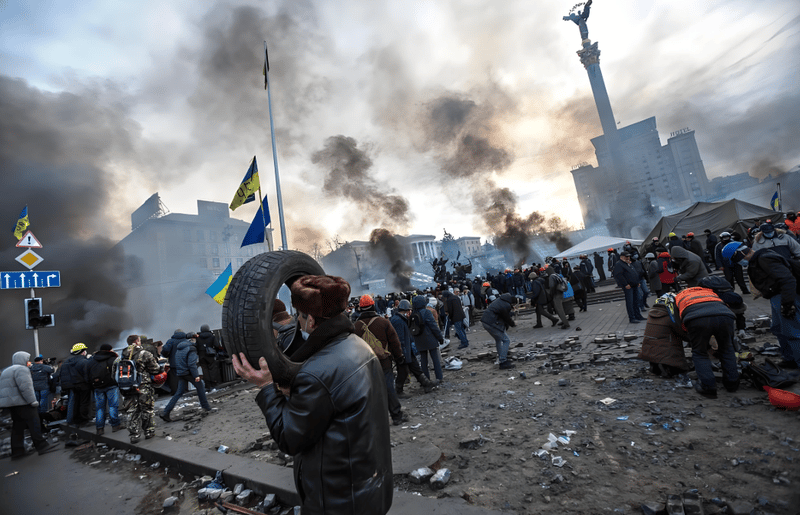
Ukrainian Airstrikes Intensify, Russian Energy Facilities Hit Again
Attacks on Russian energy infrastructure by Ukraine have intensified once more. On Sunday local time, Ukrainian drones hit a gas processing plant operated by Gazprom in southern Russia, causing damage and partial shutdown. Meanwhile, another drone struck the Novo-Kuibyshevsky refinery near Orenburg in Samara region, marking the second time in a week that the area's energy infrastructure has been targeted.
Analysts indicate that this wave of attacks shows Ukraine's attempt to weaken Russia's energy export capacity, thereby increasing economic pressure on Russia beyond the battlefield.
Zelensky: The War Is Far from Over
Ukrainian President Zelensky stated after a meeting with U.S. President Trump that Ukrainian frontline positions remain firm, emphasizing that "the Russia-Ukraine conflict cannot end so quickly."
He noted that the current situation in Ukraine is unique globally, with its scale and complexity surpassing other regional conflicts. Zelensky also called on Western allies to maintain military and financial support, stating that "any hesitation could worsen the front-line situation."
Analysts believe this statement is both a response to waning Western aid sentiment and an effort to bolster domestic confidence.
Risk of Russia-Ukraine Conflict Continues to Escalate
As Ukraine expands its drone strike range, the Russian Defense Ministry stated it has reinforced defenses for key energy facilities. Russian officials condemned Ukraine's actions as "tantamount to terrorism" and warned of "strong countermeasures."
Military observers suggest such attacks may force Russia to adjust its air defense deployments and increase retaliatory actions against Ukraine's logistics systems, raising the risk of regional conflict escalation.
Meanwhile, the energy market remains highly sensitive to the situation. As Russia is one of the world's main natural gas exporters, significant damage to key pipelines or storage facilities could once again threaten the stability of Europe's energy supply.
Middle East Situation Worsens Simultaneously
In addition to Eastern Europe's situation, security risks in the Middle East are also rising. The Gaza Civil Defense reported that Israel launched multiple airstrikes on Sunday, killing at least 11 people. The Israeli military stated the targets were "Palestinian militants who fired across the border" and confirmed the killing of two militants.
This exchange of fire marks another breakdown of the fragile ceasefire in the Gaza region, with Hamas and Israel accusing each other of "violating the agreement." The international community fears that if the situation continues to escalate, it could spark wider regional conflict.
Global Geopolitical Risks Rise, Financial Markets Under Pressure
The intensification of geopolitical tensions is beginning to manifest in global financial markets. Safe-haven assets like gold and the dollar index have both strengthened, while oil prices have experienced short-term volatility due to Middle East uncertainties.
Analysts believe the combined Ukraine situation and Middle East conflict may further decrease global market risk appetite. The U.S. think tank Center for Strategic and International Studies (CSIS) notes, "The current global security environment is entering a highly uncertain phase, and any escalation in regional conflicts could trigger systemic chain reactions."








