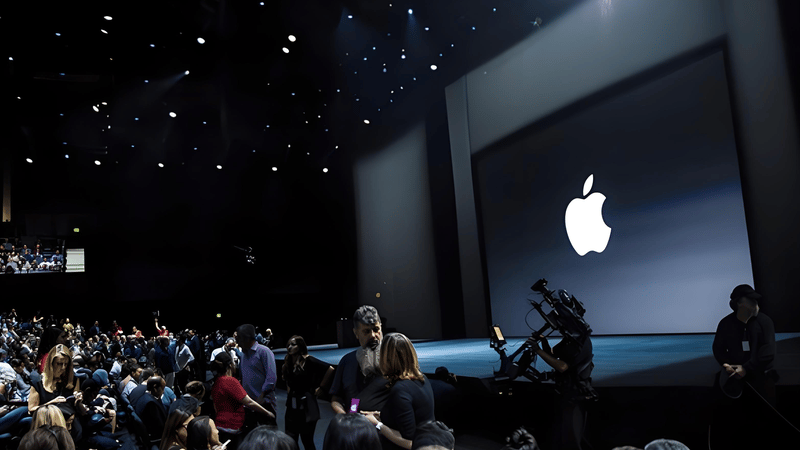
Apple Adjusts iPhone Release Schedule, Breaking a Decade-Long Tradition
Apple Inc. (AAPL.US) is planning a significant strategic shift in product releases: starting in 2026, the company will transition from launching new iPhone models once a year to twice annually. This change will dismantle the decade-long tradition of a unified autumn release and marks a substantial overhaul in Apple's product strategy, supply chain management, and market tactics.
According to Bloomberg’s renowned reporter Mark Gurman, Apple will adopt a dual-cycle release strategy beginning in the fall of 2026—debuting high-end flagship models in September, with entry-level and mid-range models slated for the following spring. This alteration will increase the annual number of iPhone models released to five or six, covering the full spectrum from top-tier flagships to budget-friendly models.
Two-Stage Release Strategy: Flagships in Fall, Affordable Models in Spring
Reports indicate that in the fall of 2026, Apple will launch the iPhone 18 Pro, iPhone 18 Pro Max, and the long-rumored first foldable iPhone. Additionally, a new model positioned between the Pro and standard versions—the iPhone Air—will be added to the lineup.
In the spring of 2027, Apple plans to release the basic iPhone 18 and the new iPhone 18e to meet the demands of the mass consumer market. This strategy will help Apple maintain product excitement throughout different quarters and extend the sales cycle to mitigate inventory and marketing pressure from concentrated launches.
Gurman points out that this phased launch approach will enable Apple to more nimbly manage supply chain challenges and more effectively capitalize on seasonal sales opportunities. For instance, spring models can target the education market and East Asian festive shopping seasons, while fall models continue to dominate the global high-end market.
iPhone Air as an Experimental Platform, Accelerating Foldable Phone Project
Notably, Apple is using the new iPhone Air series to experiment with cutting-edge technology. According to reports, although this model is expected to account for only 6% to 8% of total sales, it will play an experimental role in chip processes and hardware structures.
The first-generation iPhone Air will feature 2-nanometer process chips, notably enhancing energy efficiency and battery life. Gurman reveals that this device is not intended for mass-market sales but rather serves as a technological incubation platform for Apple's foldable device plans, testing flexible components, hinge designs, and new cooling systems.
Analysts believe that Apple's accumulation of technological experience through the “Air experimental model” strategy may help shorten the gap in the foldable phone market against competitors like Samsung and Huawei.
Synchronized Adjustment of Software and Hardware Timelines
Apple's rhythm restructuring is not limited to iPhones but will drive a synchronized adjustment across its entire ecosystem. Starting in 2026, the company plans to strengthen its Mac, iPad, and smart home device lines in the first half of the year, making spring Apple's "secondary peak release season."
Gurman notes that Apple's long-term goal is to achieve revenue balance across quarters, reducing volatility from concentrated fall releases. Simultaneously, spring-launched entry-level models and consumer electronics will become key gateways for attracting new users, while the fall flagship series remains the core driving force of Apple's ecosystem.
Supply Chain and Marketing Models Undergo Restructuring
Industry experts suggest that this move by Apple will not only reshape its product timeline but may also alter the competitive landscape of the entire smartphone industry. Apple's once-a-year release model has been seen as an industry standard for the past decade, and this new strategy might compel other manufacturers to rethink their new product schedules.
On the supply chain level, the dual release cycle will distribute production and delivery peaks, helping reduce manufacturing risks and increasing flexibility in capacity allocation. Concurrently, Apple’s marketing team will face new challenges: maintaining brand heat and consumer anticipation with two releases a year will become a key focus.