

Japan's Travel and Consumer Stocks Experience Significant Decline
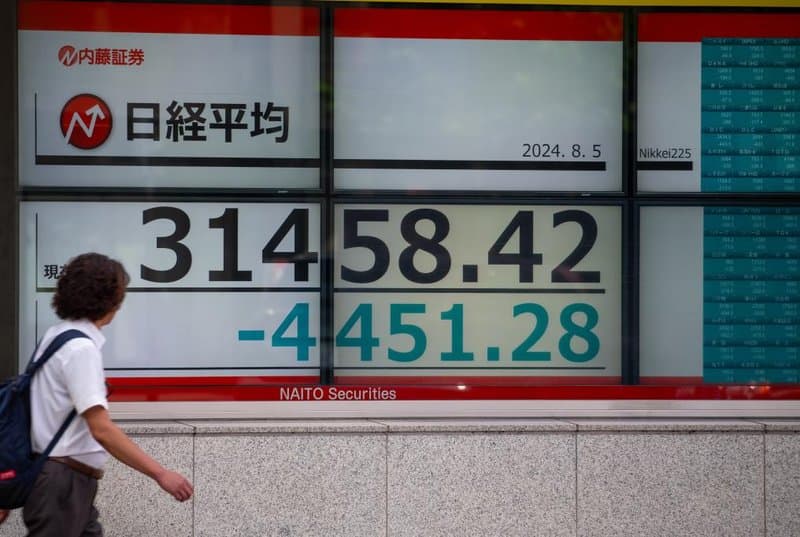
On Monday, Japanese stock markets saw a sharp drop in sectors related to tourism and retail, indicating a decline in investor confidence in the recovery of domestic consumption momentum and tourist spending. As a result, the Nikkei 225 Index was under pressure throughout the day, with major consumer brand stocks suffering significant declines. Shiseido, in particular, plummeted 11%, leading the wave of sell-offs.
Analysts noted that this adjustment reflects growing market concerns about Japan's domestic demand recovery. Despite a continuous increase in the number of inbound tourists, high prices, currency fluctuations, and a slowdown in exports are dampening the market's optimistic outlook for the retail and service industries.
Shiseido Leads Decline, Cosmetics Stocks Under Pressure
Shiseido's stock price dropped 11% on Monday, marking the largest single-day decline in nearly a year. This performance is largely attributed to investors' doubts about the company's third-quarter earnings outlook. Prior to this, some research organizations reduced their profit forecasts, citing weak demand growth in overseas markets and rising raw material costs due to the yen's devaluation, which could erode the company's profit margins.
Industry insiders pointed out that although Shiseido has increased its investments in the Chinese and Southeast Asian markets, tourism retail channels have underperformed expectations. The slow recovery of the post-pandemic duty-free market has led to a distinct division in sales among high-end cosmetics brands. Nomura Securities warned in a recent report that if the company's fourth-quarter sales do not significantly improve, Shiseido's annual revenue targets might be revised downwards.
Airlines and Retail Sector Also Hit
In addition to cosmetics, tourism-related stocks also faced substantial sell-offs. Japan Airlines (JAL) saw its stock price drop by as much as 5.8% during the day, marking the steepest decline in nearly two months. Analysts believe that although international route demand is gradually recovering, rising fuel costs and currency fluctuations are weakening profit prospects.
The retail and department store sectors were similarly sluggish. Isetan Mitsukoshi Holdings experienced a 12% decline in stock price, the largest drop of the year. Although the company's quarterly report showed continued growth in operating profit, the pressure from high operational costs and a slowdown in consumption is becoming increasingly apparent.
Meanwhile, fast fashion giant Fast Retailing saw a 6.9% drop in stock price, and MUJI's stock plummeted by 12% at one point, marking the largest single-day decline since August 2024. Sanrio and Asics also saw their stock prices fall by 7.8% and 6.6%, respectively, indicating that weak consumer confidence is broadly impacting the apparel and lifestyle industries.
Investors Concerned About Slowing Consumer Recovery
Tokyo market analysts noted that this downturn is not a single-industry issue but rather reflects a collective worry about the sustainability of Japan's economic recovery. Despite the government's recent introduction of several stimulus measures, such as energy subsidies and consumer support plans, ongoing inflation is eroding household disposable income, leading to limited retail spending growth.
Furthermore, the market is closely watching the imminent release of Japan's third-quarter GDP data. If the data falls short of expectations, it could further weaken investor confidence, prompting money to shift toward defensive sectors or overseas markets. Morgan Stanley's Chief Strategist in Japan stated, "Currently, market sentiment is cautious, and investors are reducing holdings that are heavily tied to consumer cycles."
Short-Term Pressure on Consumer and Travel Stocks Likely to Persist
Analysts widely believe that in the short term, Japan's travel and consumer sectors are unlikely to rebound quickly. Although a weak yen theoretically attracts overseas tourists, the shopping behavior of tourists has changed, favoring lower-cost and experience-based consumption, which poses challenges for high-end brands.
In the future, the market's focus will shift to fourth-quarter corporate earnings reports and whether government fiscal stimulus measures can restore consumer confidence. If fiscal policies fail to effectively boost real purchasing power, stock sectors centered on domestic consumption in the Japanese market may continue to face pressure.








