
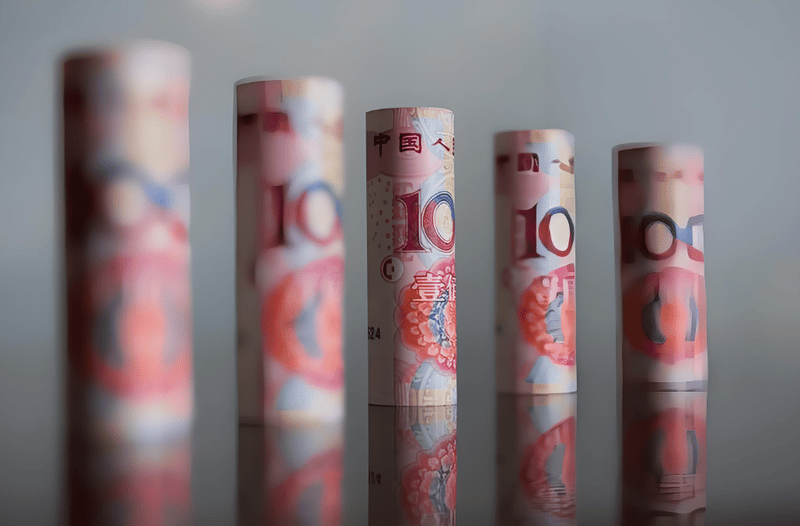
Weak Dollar Index Creates Space for RMB
Recently, the RMB has shown a significant rebound against the US dollar, primarily driven by the continued weakness of the Dollar Index. Influenced by Federal Reserve Chairman Jerome Powell's dovish signals, the market widely expects an interest rate cut at the September meeting. This anticipation has led to a downward trend in the Dollar Index and a simultaneous decline in US bond yields. These changes have opened opportunities for non-USD currencies to strengthen, with the RMB notably benefiting.
Seasonal Exchange Structure Provides Support
Examining domestic market supply and demand, June to July typically sees a concentration of corporate dividends and interest payouts, which theoretically increases demand for foreign exchange purchases, thereby exerting pressure on the RMB. However, recent data show that the exchange market has maintained an overall surplus, with stable willingness from both enterprises and individuals to settle foreign exchange. As a result, the RMB's exchange rate has not significantly weakened due to seasonal factors.
In September, the demand for foreign exchange to cover dividends is expected to gradually decline, while the fourth quarter is typically a peak period for foreign exchange settlement, further reinforcing the RMB's strengthening tendency.
International Capital Allocation Shifts Towards "De-Dollarization"
In addition to the short-term improvement in market supply and demand, international capital flows also support the RMB exchange rate. A Goldman Sachs report indicates a significant shift in focus for fund allocation within Asian bond markets over the past six months, with "de-dollarization" becoming a consensus among international investors. Capital is increasingly spreading towards non-USD markets, including RMB assets.
The stellar performance of emerging market equities this year has partly benefited from this fund redistribution effect. As foreign capital continues to increase its allocation in RMB bonds and stocks, the value and exchange rate trend of RMB assets will create a positive feedback loop.
Forex Forward Rates Reflect Market Expectations
Forex forward contracts are an important window for observing exchange rate expectations. Since August, the spot exchange rate of RMB against the USD has shown a strong trend, and the 3-month and 6-month forward price trends also indicate a strong expectation. The general market consensus is that by the end of the year, the RMB will maintain a steadily rising trend, which to some extent reflects investor confidence.
Central Bank Policies Provide Stable Signals to the Market
The People's Bank of China has repeatedly reiterated its insistence on the market's decisive role in exchange rate formation and adherence to bottom-line thinking, emphasizing maintaining the RMB exchange rate at a reasonable and balanced level. These policy signals provide an anchor for market expectations and reduce concerns among investors about severe fluctuations in the RMB.
Against this backdrop, the relative stability of the RMB exchange rate not only benefits the operating environment of foreign trade enterprises but also further enhances foreign capital's trust in RMB assets.
Increased International Appeal of RMB Assets
In summary, the weakening Dollar Index, rising expectations for Fed rate cuts, structural adjustments in international capital allocation, and the surplus state of the domestic forex settlement market jointly constitute multiple supports for RMB strengthening.
In the coming period, if the Fed officially initiates a rate-cutting cycle, putting further pressure on the USD, the RMB is likely to continue its firm and fluctuating trend, creating greater international appeal in the capital market.
This trend is not only beneficial for forex market stability but also brings potential benefits to the domestic stock and bond markets, laying a more solid foundation for the internationalization of RMB assets.









