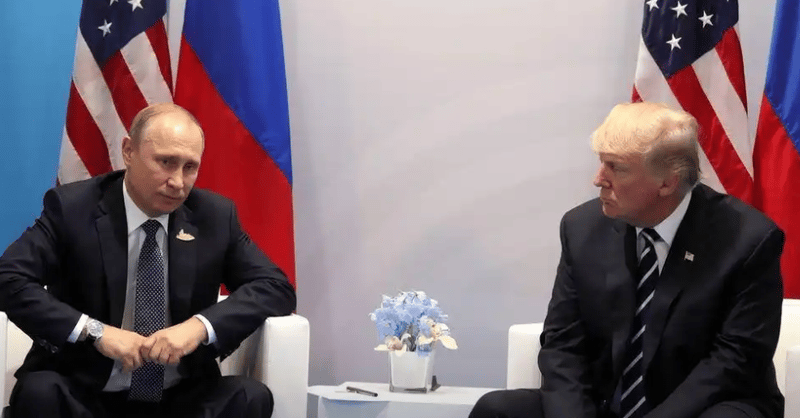
Trump Announces Cancellation of Meeting with Putin
On October 22nd local time, U.S. President Donald Trump announced the cancellation of a planned meeting with Russian President Vladimir Putin in Budapest. In a brief statement, Trump noted that the current international situation is not conducive to high-level engagement, and he believes "meeting with Putin at this point is inappropriate." This decision signifies another downturn in U.S.-Russia relations amid recent tensions.
According to White House sources, the meeting was initially intended to discuss energy cooperation and the Ukraine issue. However, as geopolitical tensions escalated, the divides on the agenda widened. Trump stated that the U.S. government would reassess its diplomatic approach to Russia and would take further measures when necessary.
Sanctions Become a Focal Point
While announcing the meeting's cancellation, Trump said the U.S. would consider imposing new economic sanctions on Russia. He stressed that sanctions are not permanent measures but "necessary means to maintain international order and stability." He added that he hopes the sanctions won't last long, but the U.S. must respond to "actions that violate international norms."
Analysts believe this statement suggests that U.S.-Russia relations will remain strained in the short term. Trump's remarks hint at Washington possibly enforcing stricter restrictions on Russia in the energy, finance, and defense sectors. Although Trump claims not to seek "complete opposition" with Russia, the sanction signals will undoubtedly further impact economic and political ties between the two nations.
U.S.-Russia Relations Stuck in Stalemate
Since the beginning of the year, U.S.-Russia relations have continually deteriorated over multiple issues, such as the Ukraine situation, energy export competition, and Russia's stance on Middle Eastern issues, leading to diplomatic confrontations between the two countries. Some officials in the Trump administration have pointed out that Russia's recent military actions in the Black Sea region and its strategy concerning energy supplies to Europe have further exacerbated Washington's mistrust.
Previously, Putin expressed willingness to resume strategic stability talks with the U.S. and invited Trump for a bilateral meeting within the year. However, increasing divergence within the U.S. on Russia policy, coupled with rising international scrutiny of Russian military actions, ultimately shelved this proposal.
Diplomatic Analysis: Sanctions as Political Signal
Diplomatic scholars suggest that Trump's actions reflect more of a strategic signaling rather than a substantive diplomatic shift. The decision to cancel the meeting is aimed not only at Russia but also at sending a message domestically and to allies that Washington intends to maintain a tough stance in international affairs.
Some analysts point out that Trump's decision may be influenced by internal pressure from congressional Republicans. Some legislators demand a revision of the White House's "ambiguous stance" on Russia policy, believing that strong measures should uphold U.S. influence internationally. Meanwhile, European allies generally support the U.S. sanctions stance, seeing it as a means to further limit Russia's expansion in the energy and security domains.
Russia's Reaction and Subsequent Impact
The Kremlin expressed "regret but no surprise" over Trump's statement. A Russian spokesperson noted that canceling the meeting would weaken the already limited communication channels between the two countries, yet Russia remains willing to resume dialogue when the conditions are right.
Russian political observers believe that if implemented, the new round of U.S. sanctions may lead Moscow to strengthen economic ties with China, the Middle East, and African countries to offset Western pressure. Additionally, Russia might adopt reciprocal diplomatic responses, including delaying or canceling related engagements with the U.S.
Short-term Confrontation May Extend Long-term Distrust
Overall, Trump's decision to cancel the meeting with Putin casts another shadow over the already fragile U.S.-Russia relationship. Although both sides have expressed a desire to maintain communication, continued sanctions and strategic competition make it difficult for bilateral relations to ease in the short term.
Analysts generally believe this event reflects the complexity of global power rivalry: in a landscape intertwined with security, energy, and geopolitics, even if high-level meetings temporarily halt, the underlying competition continues to deepen.