Market Tensions Tighten Ahead of Jackson Hole Conference
The annual global central bank meeting kicks off in Jackson Hole, Wyoming, with Federal Reserve Chair Jerome Powell set to speak. This yearly event is always a focus for global financial markets, but this year is particularly special because it is widely considered that this may be Powell's "last appearance" as Chair.
Ahead of the speech, U.S. stock market growth stocks have faced noticeable selling pressure, as investors worry about the uncertainties surrounding interest rate policy direction. Analysts from Bank of America have highlighted that the market should not only focus on growth stocks but also on the potential dramatic reactions of small and mid-cap stocks.
Small-Cap Stocks as a Risk Focal Point
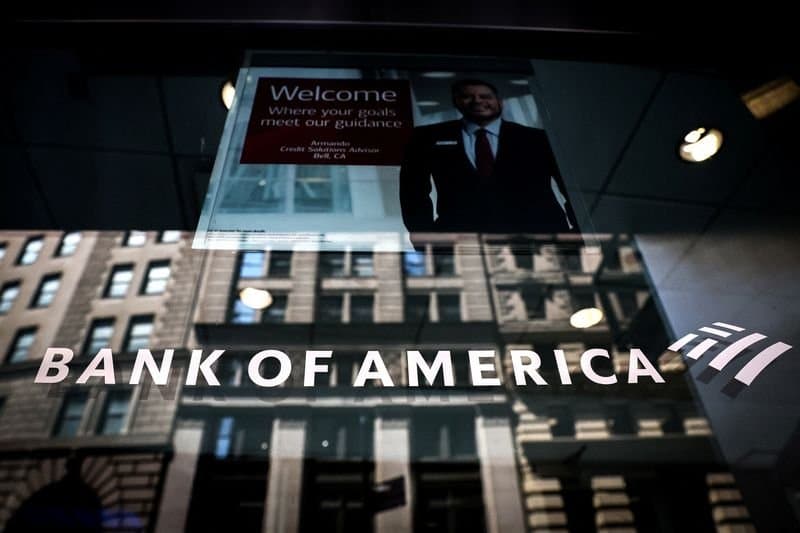
Bank of America's latest report indicates that the tone of Powell's speech might directly influence the trajectory of small-cap stocks. Small-cap stocks are typically more sensitive to changes in interest rates and financing conditions, making the Russell 2000 Index a potential key "barometer" after the speech.
Analysts suggest that if Powell delivers a dovish signal, market expectations for rate cuts may rise, possibly stimulating a rebound in small-cap stocks. However, if the remarks lean towards being hawkish, it may trigger further sell-offs, continuing the recent downward trend.
Rate Cut Expectations and Market Dynamics
With the latest round of economic data presenting mixed results, the judgment on the Federal Reserve's policy path has become more complex. Data from the Chicago Mercantile Exchange shows that the probability of a rate cut in September has dropped from near certainty a week ago to about 75%.
This indicates that investor confidence in policy shifts is weakening, and Powell's speech in Jackson Hole will serve as a crucial guide for monetary policy over the coming months. Should the speech imply maintaining high interest rates for an extended period, the market may experience a rapid adjustment.
Economic Outlook and Small-Cap Stock Sensitivity
Historical data shows that during near-recession rate cut cycles, small-cap stocks often outperform large-cap stocks. However, if the U.S. economy does not enter a recession, the trajectory of small-cap stocks becomes more volatile.
Currently, there is disagreement over whether the U.S. economy will enter a recession. Some institutions believe that despite weak employment data, the overall economy remains resilient and may avert a short-term recession. Nonetheless, some analysts warn that risks remain high and uncertainty is hard to dispel.
Investor Strategy Considerations
Bank of America analysts emphasize that given the sensitivity of small-cap stocks to financing costs, if rate cuts do occur, their positive effect could exceed historical experience. Meanwhile, macroeconomic data has yet to fully indicate downward economic pressure, leaving the market in a "swinging" state.
For investors, how to adjust positions before and after Powell's speech becomes a central issue. Flexible risk management and attention to policy signals will be key.
Conclusion
As the Jackson Hole Conference reaches its peak, global markets hold their breath. Powell's speech not only concerns the future interest rate policy of the Federal Reserve but could also trigger significant volatility in the small-cap stock market. Facing such uncertainties, investors need to remain highly vigilant and prepare for potential market tremors.