Summit Approaches
: The Russia-Ukraine Conflict Enters a Critical Window
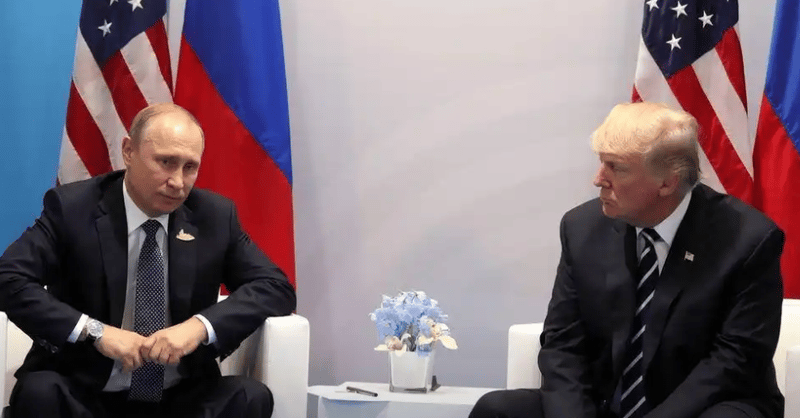
The Kremlin confirms that Russian President Putin and U.S. President Trump will meet in the coming days, marking the most significant diplomatic opportunity in over three years of the Russia-Ukraine conflict. Both parties intend to find a breakthrough in the war, while the world watches to see if the talks can lead to a de-escalation of tensions.
Recently, the U.S. has adopted a tougher stance on the Ukraine issue, with Trump publicly warning Russia to show sincerity in ending the conflict or face a new round of sanctions. Trump's special envoy has had lengthy discussions with Putin in Moscow, laying the groundwork for the summit. This high-pressure strategy may be intended to increase leverage in negotiations, but it also brings uncertainty to the outcome of the meeting.
Neutral Venue Negotiations and Diplomatic Signals
Putin suggested the UAE as a potentially suitable meeting place, reflecting Russia's cautious attitude in choosing a negotiation site. The UAE's neutral stance could help ease diplomatic tensions and create a more balanced atmosphere for dialogue.
Since the 2021 meeting with Biden in Geneva, there has been no summit of a similar level between U.S. and Russian leaders. This meeting will serve as a significant indicator of whether both sides are willing to take substantive steps towards peace.
Ukraine Urges Europe to Deeply Involve Itself
Ukrainian President Zelensky is intensifying coordination with Europe's key powers, urging the EU to take a leading role in the peace talks. He emphasized that the conflict concerns not only Ukraine's territorial integrity but also the future security landscape of Europe. By engaging in dialogue with France, Germany, and EU leaders, Ukraine aims to ensure it is not sidelined in direct talks between the U.S. and Russia.
Zelensky insists on the principle of "peace with dignity" and warns that Russia has yet to show a clear willingness to ceasefire, indicating a challenging path ahead for negotiations.
Market Reactions: Optimism and Risks Coexist
The summit news has driven a surge in the Russian stock market, with the MOEX index reaching a nearly two-month high and the ruble strengthening. Investors are betting that the talks could ease the conflict and stabilize the energy market. However, underlying market optimism is tempered by potential risks: if sanctions threats are realized, the financial and energy markets could face renewed pressure.
The energy sector also faces dual impacts. If peace progress is made smoothly, crude oil prices may fall due to alleviated supply concerns; however, if negotiations break down, especially against the backdrop of Trump's threats to expand tariffs, oil prices could climb again due to supply risks.
Potential Changes in Gold and Safe-Haven Sentiments
Geopolitical tensions are a key driver of rising gold prices. If the summit yields limited or failed results, safe-haven demand will likely keep gold prices fluctuating at high levels. Conversely, if substantive peace signals emerge, gold prices may face short-term downward pressure.
Turning Point or New Game?
This summit is not only about the direction of the Russia-Ukraine conflict but will also profoundly affect the European security landscape and global economic expectations. The hard stances and probes between the U.S. and Russia, Ukraine's diplomatic initiatives, and the market's response to geopolitical risks together paint a complex and subtle picture of the situation. Global investors and political observers are awaiting the answer: Is this the beginning of the end of hostilities, or the prelude to another round of games?