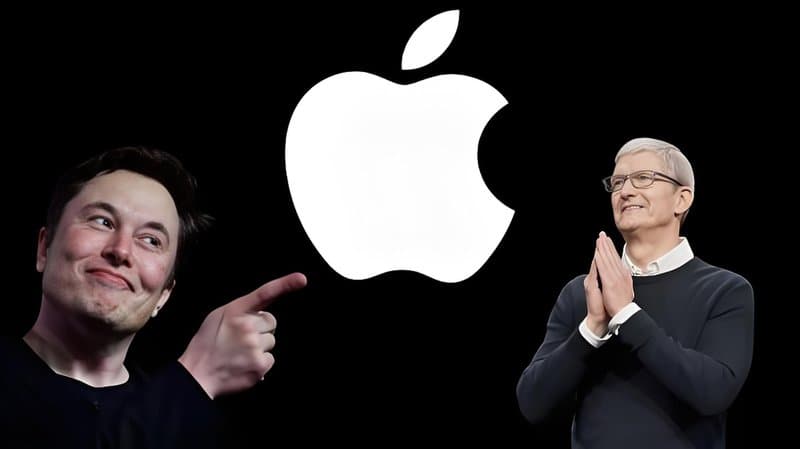
Musk Initiates Legal Challenge
On Monday, billionaire entrepreneur Elon Musk officially filed a lawsuit in the Federal Court of Fort Worth, Texas, against Apple and OpenAI. The lawsuit focuses on Apple's deep integration of OpenAI's ChatGPT into the iPhone operating system, which is alleged to create an exclusive arrangement, thus limiting the development space for other artificial intelligence companies in the mobile ecosystem.
Musk's social platform X and his AI company xAI jointly filed the lawsuit, arguing that this move is not just internal industry collaboration but potentially hinders competition and weakens consumer choice.
Core Allegations of the Lawsuit
According to the legal documents submitted, Musk's side accuses the cooperation between Apple and OpenAI of making ChatGPT the only built-in generative AI chatbot on iPhone. The lawsuit claims that this exclusive integration severely limits market competition, making it harder for other innovative AI applications to break through the App Store rankings.
The lawyers argue that Apple's actions amount to artificially "locking the market," helping OpenAI maintain its dominant position while excluding competitors, including xAI. This move not only weakens the development opportunities for emerging companies but also strips users of the right to freely choose between different AI services.
Background and Industry Landscape
Behind this legal battle is the intensifying competition in generative artificial intelligence. As ChatGPT leads the trend, major global tech companies are stepping up their efforts in the AI industry. Apple's deep collaboration with OpenAI, announced during this year's operating system upgrade that integrated its technology into the iPhone ecosystem, is seen as an important move to promote the popularization of AI applications.
However, Musk has long been critical of OpenAI. He was one of the company's co-founders but left due to ideological differences and established xAI, aiming to create more open and secure AI systems. This lawsuit is regarded as the latest move in his direct confrontation with OpenAI in the AI field.
Potential Impact and Reactions
The significance of this lawsuit goes far beyond a dispute between the two companies. First, it could trigger further scrutiny from U.S. and global regulators on the partnership between Apple and OpenAI, involving antitrust and consumer rights protection issues. Second, it adds more variables to the competitive landscape within the AI industry; should the lawsuit be supported, it could prompt other tech companies to strive for more opportunities to enter the core functions of mobile platforms.
Legal experts believe the outcome of this case may become a milestone in the development of the artificial intelligence industry, determining the boundaries of cooperation between platforms and AI service providers in the future. If the court finds that the integration by Apple and OpenAI constitutes market monopoly, the openness of AI applications on mobile devices will be redefined.
Conclusion
The showdown between Musk, Apple, and OpenAI signifies that two major tech giants and a disruptive entrepreneur have officially entered the courtroom battle phase. This is not merely a commercial interest dispute but also concerns the competitive rules of the artificial intelligence industry and user rights. In the coming months, related judgments and regulatory movements will be the focus of intense industry attention.