Shift in Powell's Stance Sparks Succession Speculation
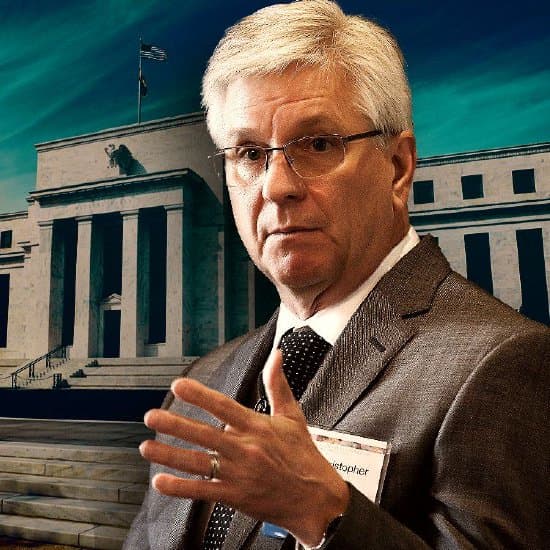
Federal Reserve Chairman Powell sent dovish signals during the Jackson Hole conference, introducing new uncertainties in the policy direction. This shift not only affected market expectations for a rate cut in September but also ignited discussions around the succession of Fed leadership. As Powell gradually faded from market view, Fed Governor Christopher Waller quickly became the most noteworthy successor.
Waller's Strengths and Market Expectations
Waller emerged as a frontrunner primarily due to his forward-looking judgment on economic trends. In the July policy meeting, he clearly expressed concerns about the job market's decline and voted in favor of rate cuts. At that time, this position seemed relatively isolated, but subsequent non-farm payroll data and revised employment indicators validated his view.
Market observers noted that Waller's judgment closely aligned with actual data, rapidly enhancing his credibility in monetary policy. This "foresight" highlighted his professional expertise and gave him a distinct advantage in the succession race.
Competitive Landscape: Hassett and Others in Close Pursuit
Although Waller currently has the strongest backing, he is not the only candidate. National Economic Council Director Kevin Hassett reiterated the necessity of rate cuts in a Monday interview and expressed agreement with Powell's dovish remarks. Analysts believe Hassett's proactive statements highlight the significance of the White House economic team in monetary policy discussions, adding a political tint to the succession race.
However, according to market betting and institutional forecasts, Waller still maintains a leading position. He not only possesses extensive experience in academics and policy-making but also demonstrates the ability to communicate with financial markets, all crucial traits for the chairman role.
Policy Stance May Be the Decisive Factor
It is widely believed that the decisive factor for the future chairman's selection will be their policy inclination. In the current economic environment, balancing a weakening job market and inflation risks is the greatest challenge for the Fed to manage "growth protection" and "inflation control."
In several past statements, Waller emphasized that if job data continues to deteriorate, monetary policy must swiftly respond to prevent the economy from sliding into a deeper recession. His dovish stance aligns closely with current market sentiment, making it easier for him to gain media and investor support.
In contrast, other potential candidates may face scrutiny for either having too ambiguous stances or being overly tied to political connections. In this context, Waller's moderate and pragmatic approach stands out with unique appeal.
Market Impact and Future Outlook
As Waller's likelihood of being elected increases, market expectations for the future policy trajectory are gradually adjusting. Traders widely anticipate that if he ultimately takes over, the Federal Reserve will be more inclined to implement successive rate cuts in the coming months. This prospect somewhat stabilizes market sentiment, rejuvenating investor interest in risk assets.
However, analysts also caution that the final decision on the chairman candidate still involves multiple political and economic considerations, and it is not set in stone in the short term. The forthcoming weeks' employment and inflation data and attitudes from the White House and Congress could deeply impact this process.
Conclusion
Powell's dovish turn has not only altered market judgments about monetary policy but also brought Waller into the spotlight. At this critical juncture where a change in the Fed chairmanship is possible, the market will continue to closely watch this personnel movement and the potential policy shifts it might lead to.