

Improved Export Structure, Continued Trade Growth
South Korea recorded robust export performance in November, indicating a gradual recovery in global demand and providing significant support for the Korean manufacturing sector. Various trade data reflect a growth trend concentrated in technology and automotive sectors, driving overall exports to maintain continuous expansion. The resilience of South Korean exports is once again confirmed as growth, adjusted for working days, remains high.
Overall, despite persistent uncertainties in the global economic environment, South Korea's industrial competitiveness continues to provide a solid foundation for its trade data. The strong performance of technology-intensive products in exports helps to offset pressures from the slowing of some traditional industries.
Strong Semiconductor Demand, Leading Technology Exports
The semiconductor industry remains the core driver of South Korea’s trade growth. Driven by factors such as increased applications of artificial intelligence, the expansion of large data centers, and the continued rise in demand for high-performance computing, chip exports continue to show impressive growth.
Industry analysts point out that global technology investment is accelerating, and the demand for advanced chips by companies keeps rising, significantly benefiting Korean manufacturers. Especially with the stabilization and rise of memory chip prices, export growth is further propelled, becoming a key force in overall trade data expansion.
As supply chains gradually recover and major production companies expand investment strategies, South Korea's position in the global semiconductor market is expected to further elevate.
Expanded Automotive Exports, Sustained Manufacturing Competitiveness
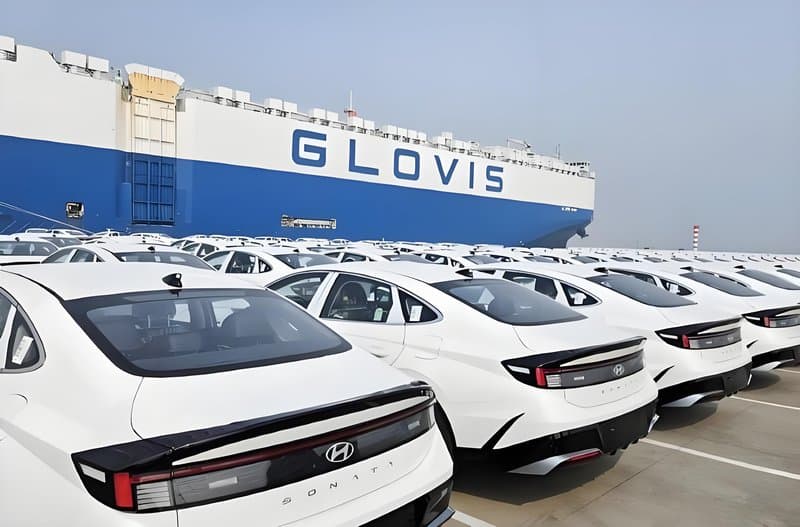
Another highlight comes from the automotive industry. The rapid improvement in competitiveness of Korean brands in the electric vehicle sector, along with the continuous rise in sales of high-end models, helps maintain a strong momentum in automotive exports. The improving demand in North America and Europe, together with the model update cycle driving up sales, makes automotive exports an important pillar supporting overall foreign trade growth.
Industry observers believe that Korean automakers, by persistently expanding their electric vehicle offerings and accelerating overseas expansion, align with global energy-saving and environmental protection trends, laying a solid foundation for future trade performance.
Central Bank Policy Stance in Wait-and-See Mode, Divergent Economic Outlook Assessment
As export performance continues to improve, monetary policy makers are also assessing changes in the economic outlook. The Bank of Korea previously maintained the benchmark interest rate, indicating its search for a policy balance between inflation and economic growth.
There is a divergence within the board regarding the future direction of interest rates. Some members advocate for further easing to support economic momentum, while others believe the current policy is appropriate and suggest monitoring inflation trends and external risks. The central bank has also made slight adjustments to the forecast for economic growth and prices in the coming years, indicating increased confidence in the mid-term outlook.
Analysts believe that if exports remain strong and drive further recovery in manufacturing, the likelihood of the central bank taking a more cautious approach to rate cuts increases. Changes in international demand, global supply chain adjustments, and the policy paths of major economies will also continue to influence the direction of South Korea's monetary policy.








