

Expectations of Rate Cuts Surge, US Stocks Rebound Last Friday
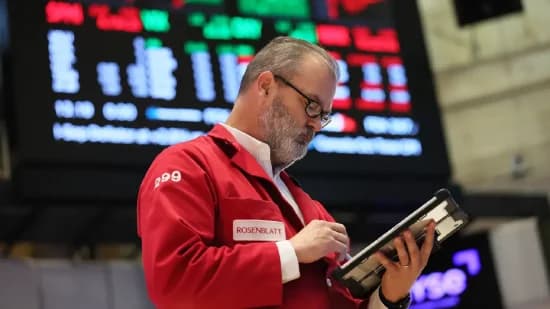
The US stock market closed strongly last Friday, driven by a sudden shift in interest rate expectations. The New York Fed President Williams hinted that policy adjustments may occur "soon," and the market quickly magnified this signal. The probability of a rate cut in December surged to over 70% within a day, significantly higher than the previous level of under 40%.
This change in policy expectations immediately boosted investor sentiment, with the S&P 500 index rebounding across the board, and all eleven sectors rising, indicating a rapid revival of risk appetite. Leading tech stocks performed particularly well, with Apple, Alphabet, and Meta all strengthening, further expanding the index's gains for the day.
Strategists noted that the repricing of policy expectations was the decisive factor influencing the market's performance that day.
Tech Stocks Provide Momentum, But All Three Indexes Still Recorded Weekly Losses
Despite the significantly improved market atmosphere last Friday, the rebound was not enough to completely reverse the prior downward trend, with all three major indexes posting a weekly decline. The Nasdaq index fell for the third consecutive week, marking the longest losing streak since March this year.
Over the past week, US stocks experienced increased volatility as investors continued to adjust positions amid tech stock valuations, the high-cost AI investment cycle, and the Fed's policy direction. Some market voices suggested that the rapid rise of major tech stocks over the past two years might have already exhausted future growth expectations.
At the same time, the massive investment in the AI field raised concerns about the sustainability of capital expenditure, resulting in higher volatility for the tech sector.
Stock Performance Diverges, Contrast Between Nvidia's Pressure and Lilly's Breakthrough
On the stock level, there was a clear divergence in performance. Nvidia was temporarily boosted by favorable rumors but still closed the week down nearly 6%, reflecting investor caution towards its high valuation.
In contrast, pharmaceutical giant Eli Lilly's market capitalization surpassed $1 trillion for the first time last Friday, becoming a market focal point. In an environment where US stocks are under pressure, Lilly's impressive performance highlights that the market is still seeking stocks with stable growth and higher profit certainty.
Analysts noted that the short-term shift in market style might continue, with some defensive or product-moat companies regaining investor favor.
Policy Differences Emerge, Fed Voices Show Divergence
Although market bets on rate cuts have surged, differences remain within the Federal Reserve. Boston Fed President Collins stated that the current rate levels are "reasonable and appropriate," suggesting there is no need for urgent policy adjustments in the short term.
This internal disagreement has raised new questions about whether a rate cut will indeed occur in December, becoming a key source of market volatility last week. As more officials are scheduled to speak in the coming weeks, the market may face further expectation adjustments.
Rate Cut Expectations Improve Sentiment, But Uncertainty Remains Dominant
Overall, the rebound in US stocks last Friday mainly stemmed from a rapid sentiment recovery due to rate cut expectations, but the market as a whole is still in the stage of re-evaluating various risks.
The subsequent trend will depend on two main lines:
——Whether Fed officials' statements continue to fuel expectations of rate cuts;
——Whether the tech sector can deliver sufficiently strong performance to support high valuations.
Strategy firms generally believe that before the end of the year, the US stock market may remain in a state of high volatility, with the uncertainty of rate policy being the core variable dominating market sentiment.








