

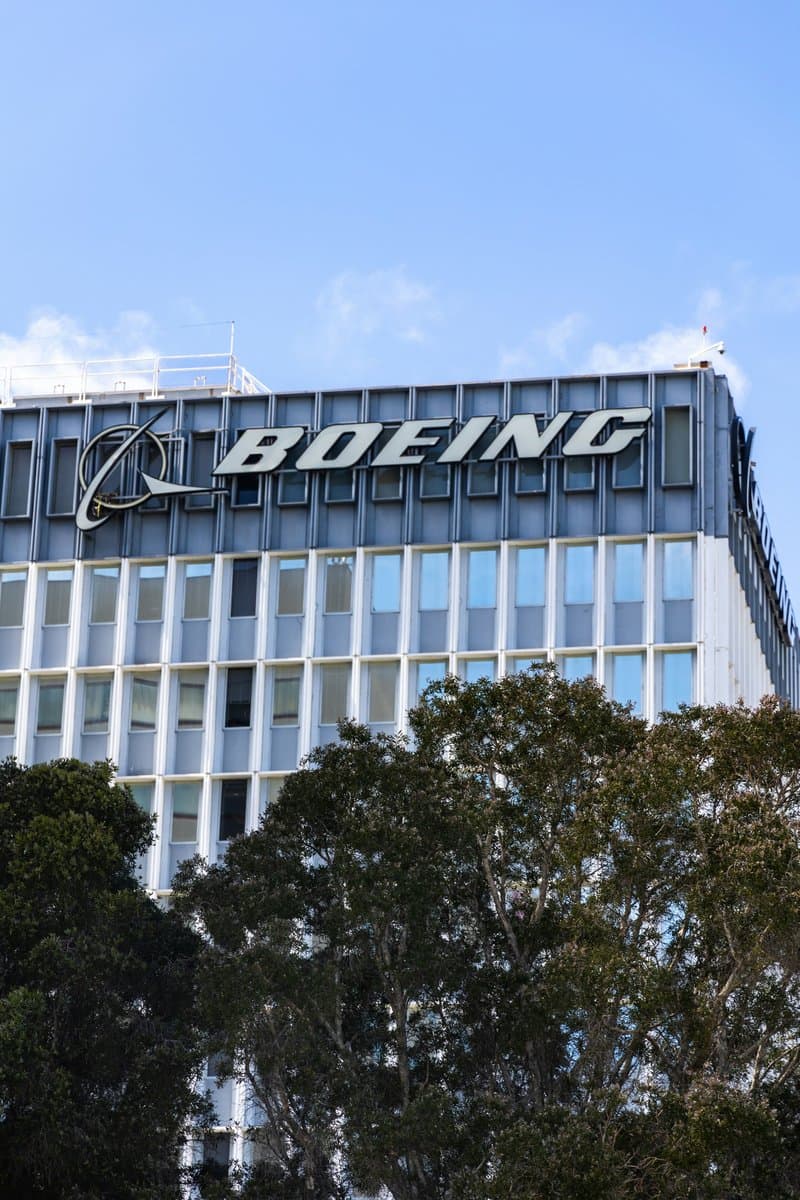
Boeing Strike Continues for 13 Weeks, New Contract Rejected Again
Boeing Company faces new challenges in the U.S. defense manufacturing sector.
On Sunday local time, defense department workers in the St. Louis area of Missouri voted to reject Boeing's latest contract proposal, extending the ongoing strike for 13 weeks. This labor impasse has caused significant delays in the production and delivery of fighter jets and military systems projects, significantly impacting Boeing's defense business.
The rejected contract proposal was for five years and included terms such as base pay raises, stock awards, and retention bonuses. Although the company made some concessions from previous proposals, the union felt the new offer did not adequately address core employee concerns about fair compensation and improved working conditions.
Union: Company Executives "Not Truly Listening"
The International Association of Machinists and Aerospace Workers (IAM), representing about 1,700 workers, stated that Boeing's latest proposal "offers little substantive improvement."
IAM International President Brian Bryant stated bluntly: "Boeing claims they are listening to employees, but the voting results clearly indicate otherwise. The company leadership continues to ignore the workers who manufacture some of the world's most advanced defense equipment and deserve better treatment."
Previously, the union demanded higher wage increases, a clearer overtime compensation mechanism, and improved workplace safety standards, but the company only made minor adjustments to bonuses and stock incentives. The union feels this is insufficient to offset the pressures of inflation and rising living costs over the past few years.
Boeing Responds: Disappointed with Outcome, Emergency Plan Initiated
Boeing expressed "deep disappointment" at the union's rejection and emphasized efforts to strike a balance between business viability and employee demands.
A company spokesperson stated: "We regret the result. Our current focus will shift to executing the next phase of the emergency plan to ensure uninterrupted production of key defense projects."
It is reported that Boeing Vice President Dan Gillian had already informed employees in an internal memo last Thursday that the company had to make "difficult trade-offs" to maintain funding for wage increases, including reducing wage growth related to attendance and night shifts.
Analysts noted that Boeing's defense department has faced multiple labor disputes over the past two years, impacting the delivery schedules of production lines for aircraft such as the F-15EX and F/A-18 "Super Hornet." The duration of the current strike is extremely rare in the company's history.
Strike Impact Expands, Defense Orders at Risk
Boeing's defense department is one of the main equipment suppliers for the U.S. military, handling several core projects, including drones, missile systems, and aerial refueling tankers.
The ongoing strike not only delays the production progress of existing orders but could also affect the company's competitiveness in future contract bids.
U.S. Department of Defense officials admitted during a congressional hearing last week that if the strike continues beyond the fourth quarter, some project deliveries might be postponed until the first half of next year.
An analyst pointed out: "Boeing is already facing cost pressures and supply chain bottlenecks in its defense business, and the labor impasse undoubtedly increases the risk."
Limited Company Concessions, Union May Seek Tougher Strategy
Under the rejected proposal, Boeing canceled the previous $3,000 signing bonus but added a $3,000 stock award, payable over three years, and promised to raise the salary grade for some senior technicians in the fourth year.
However, the union believes the company still lacks transparency in the fixed wage structure and career advancement mechanisms.
There are reports that the union is considering the possibility of further expanding the strike, including coordinating support actions at other Boeing plants in different states. An IAM spokesperson stated: "Employees' demands are not just about money, but also about dignity and fairness."
Outlook: Negotiations May Stall Long-Term
The industry generally believes that if both parties cannot reach a compromise on wage and benefit issues in the short term, the strike may continue until the end of the year.
Manufacturing activities in the St. Louis area have already been significantly impacted, with local economists estimating that the strike could cost Boeing approximately $40 million in direct losses per week.
Although Boeing emphasizes having an emergency production plan, labor shortages and delays in parts supply mean that the alternative plan cannot fully compensate for production gaps.
Analysts pointed out that unless the company proposes a "more attractive revised contract," the likelihood of workers returning to their posts is low.
This 13-week strike is becoming one of Boeing's most severe labor crises in recent years, revealing the structural contradictions in American manufacturing under inflationary pressures and a tight labor market.






