
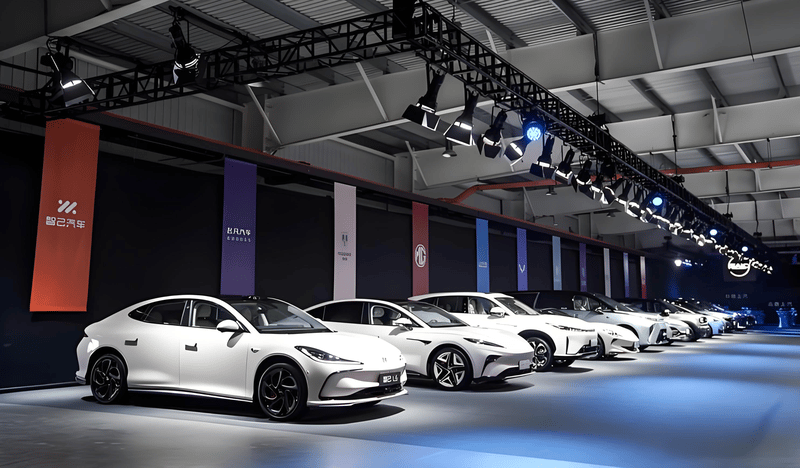
Global Growth of New Energy Vehicles Reaches Lowest Rate of the Year
In July, global sales of battery electric vehicles (BEV) and plug-in hybrid electric vehicles (PHEV) grew by 21% year-on-year, reaching a total of 1.6 million units, marking the lowest increase since January. This trend, disclosed by market research company Rho Motion, reflects a significant slowdown in some regions, particularly in the Chinese market.
Chinese Market Slows Down
China remains the world's largest market for new energy vehicles, with sales of approximately 1 million units in July, a year-on-year increase of only 12%, significantly lower than the average monthly growth rate of 36% in the first half of the year. Analysts attribute this slowdown to changes in consumer expectations regarding subsidy policies and seasonal demand weakening. However, with the government's subsidy program receiving new financial support in August, the industry expects sales to rebound.
Europe Leads Growth, North America Sees Moderate Increase
Contrasting sharply with China's cooling market, Europe saw a significant 48% year-on-year increase in new energy vehicle sales in July, reaching approximately 390,000 units, largely driven by continued policy subsidies and the introduction of several new models. The North American market maintained moderate growth, with a 10% year-on-year increase, surpassing 170,000 units sold. Other regions worldwide also performed impressively, with a 55% increase in sales, exceeding 140,000 units.
Changes in Policy and Market Expectations
Charles Lestor, data manager at Rho Motion, noted significant regional differences, but the global trend for new energy vehicles is expected to remain strong through 2025. Notably, the US plans to reduce tax credits for purchasing or leasing new electric vehicles at the end of September, which might suppress future demand, while China is likely to regain high growth with increased subsidies.
Outlook and Challenges
Despite the slowed growth in July, overall sales continued to show double-digit growth. Industry experts predict that the trend over the coming months will depend on policy changes in major markets, consumer confidence, and the stability of supply chains. For automakers, the key to maintaining growth will be stabilizing pricing structures in a competitive market, while accelerating the introduction of new technologies and models.









