
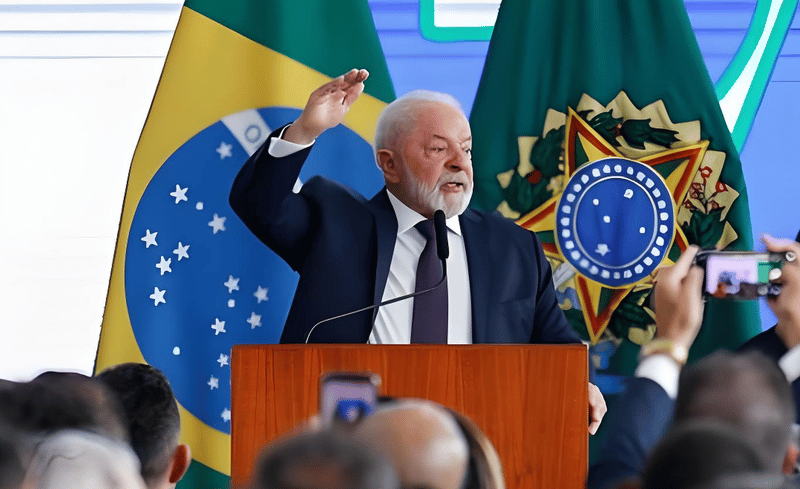
Brazilian Government Launches Tariff Response Plan
Brazilian President Lula announced that the government will launch a credit support plan totaling 30 billion reais (approximately $5.55 billion) to help domestic exporters cope with the impact of increased U.S. tariffs. This decision is seen as an emergency support measure by the Brazilian government for its export companies in response to the spillover effects of US-China trade tensions.
Coverage and Support Methods of the Plan
According to Lula, this credit is the initial phase of aid, with subsequent measures to include direct support for business orders through government procurement. Sources reveal that funds will focus on industries seriously affected by tariffs and prioritize the needs of companies with foreign exchange earning capabilities to ensure the stability of Brazil's foreign trade structure.
Official Release and Policy Background
Lula's Chief of Staff's office stated that the plan will be officially released in Brasília. This policy comes after the U.S. raised tariffs on some Brazilian imports from 10% to 50%. Although important export products such as orange juice and aircraft have not yet been affected, major export categories like steel and aluminum face significant tariff pressure.
Funding Sources and Implementation Mechanism
Officials familiar with the matter disclosed that the Brazilian National Development Bank (BNDES) might become the primary manager of the funds. There have been media reports that the government is considering using a special fund managed by BNDES to provide low-interest or preferential loans to exporters, ensuring they can maintain their market share without losing competitiveness due to short-term tariff fluctuations.
Strategic Intentions in the International Trade Landscape
Analysts point out that this move is not just a short-term response but also reflects Brazil's self-protection strategy in the global trade landscape. The U.S. tariff hike is a punitive measure against Brazil's continued import of Russian oil, while Brazil hopes to weaken the impact of external policy changes on its economy and maintain the resilience of its export sector through financial and policy support.









