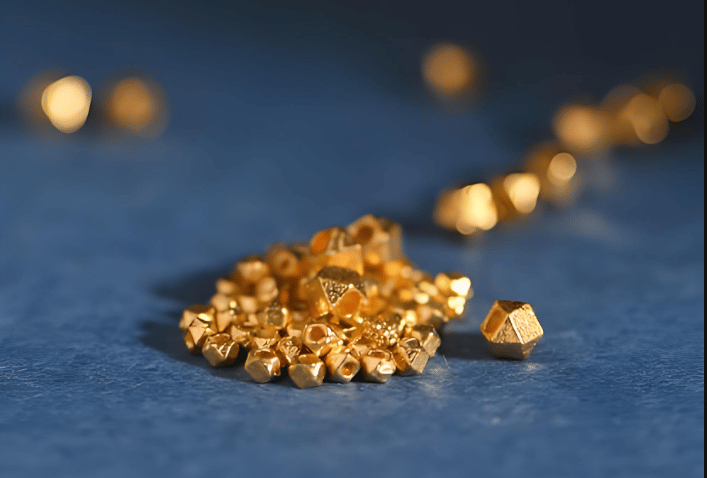
High Gold Prices Draw Attention
Recently, international gold prices have continuously broken historical records. Both COMEX gold and London spot gold reached new highs in late September. Meanwhile, domestic gold futures also continued their upward trend, making gold a focal asset once again in the global financial market. Market experts generally believe that the Fed's rate cuts, a weakening dollar, and geopolitical tensions have jointly driven this upward trend.
Mining Companies Seize Profit Window
Against the backdrop of rising prices, gold mining companies have become direct beneficiaries. In the first half of the year, many listed mining companies saw significant increases in revenue and profit, demonstrating strong profitability in gold mining. As gold prices continued to rise in the third quarter, analysis firms expect that mining companies' third-quarter financial reports will show continued growth. This cyclical dividend is likely to bring new allocation opportunities to the financial market.
Jewelry Consumption Faces Pressure to Decline
In stark contrast to mining companies, gold jewelry businesses are facing a more complex operating environment. Due to rapidly increasing retail prices, consumer desire to purchase has significantly weakened. Statistics show that domestic gold jewelry consumption has significantly declined this year, with revenues and profits of several well-known brands decreasing. Even as the "double festivals" approach and many brands launch promotions, in-store traffic remains sparse. The high cost of raw materials limits companies' pricing flexibility.
Industry Polarization Becomes Evident
Some brokerage firms point out that the continued high gold prices have created a polarized pattern across the supply chain: while mining companies capitalize on price dividends to expand profits, the retail sector is hitting a growth bottleneck. However, not all jewelry companies are on the defensive. Companies focusing on investment gold bars and those with strong brand power and differentiated designs can maintain relatively stable performance. These businesses often adopt a "one-price" model, offering advantages in profit margins and product competitiveness.
Investment Appeal Strengthens, Market Outlook Remains Optimistic
Despite obstacles on the consumer side, gold’s investment appeal has been reinforced in the current macroeconomic environment. Institutions generally believe that if the global monetary environment continues to be accommodative, safe-haven demand will persist, and gold prices are likely to remain strong. For investors, gold not only acts as a hedge against inflation and exchange rate volatility but also forms an important part of asset allocation.
Opportunities and Challenges Coexist
As gold prices repeatedly reach new highs, the gold supply chain is navigating a landscape filled with both opportunities and challenges. Upstream mining companies are seeing continued profit improvements, attracting capital attention; downstream consumer companies must rely on brand building, product innovation, and model adjustments to withstand the impact of high prices. Overall, the future trajectory of the gold industry will not only depend on international gold prices but will also be influenced by macroeconomic policies, consumption trends, and the industry's own capacity for adaptation.