

Powell's Term Not Yet Over, Successor Discussions Heat Up Suddenly
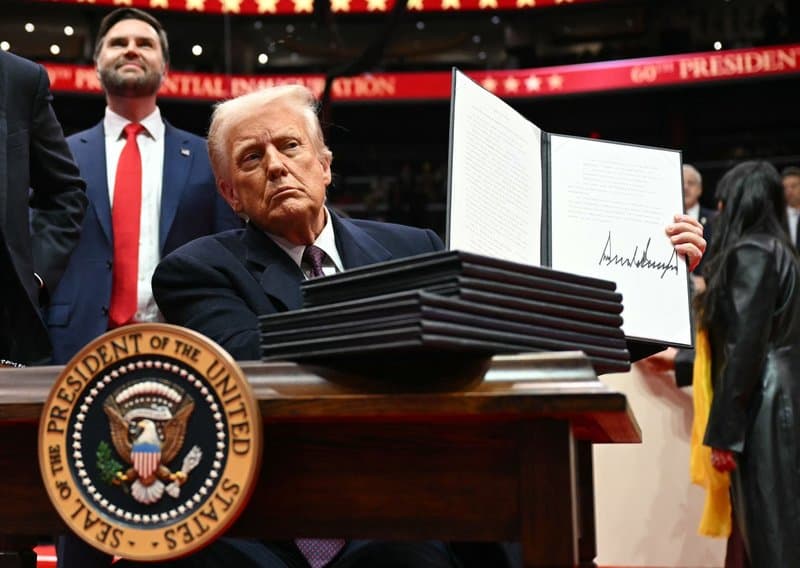
The U.S. financial market was once again shaken by a political bombshell on Tuesday. President Trump openly stated that he had discussed with several "unexpected candidates" the possibility of replacing current Federal Reserve Chairman Powell. This statement not only drew significant attention from the market but also quickly triggered intense discussions about the future policy direction of the Federal Reserve.
Powell's official term was originally set to end in May 2026. Traditionally, the decision on the Federal Reserve Chair's continuation is made one and a half to two years before the end of the term. However, Trump's premature signal of a leadership change at this sensitive time certainly disrupted the financial environment.
Analysts indicate that this statement not only altered expectations about the Federal Reserve's long-term policy framework but could also lead to more intense market reactions to the uncertainty in fiscal and monetary policies over the coming months.
Treasury Secretary Says Candidates Will Meet After Thanksgiving
Following Trump's comments, U.S. Treasury Secretary Besant confirmed that Trump has arranged to meet with three candidates for Federal Reserve Chair after the Thanksgiving holiday. Besant added, "Let me be clear, I am not being considered for the position of Federal Reserve Chair."
Although the list of candidates was not disclosed, this arrangement further reinforces the market judgment that Trump is advancing a "new Federal Reserve lineup."
Several Wall Street strategists note that recent shifts in public opinion around monetary policy may place greater political pressure on Federal Reserve officials before the end-year meeting, especially against the backdrop of persistent inflation and prolonged high-interest rates.
Market on High Alert for "Trump 2.0 Monetary Era"
Tensions between Trump and the Federal Reserve are not new. In his previous term, Trump frequently criticized Powell for raising rates too quickly and publicly urged the central bank to adopt a more accommodative monetary stance. Now, by suggesting another leadership change, the market is swiftly reminded of past policy conflicts.
There is widespread concern among institutions that if Trump reshapes policies, the independence of the Federal Reserve might be further questioned, leading to drastic fluctuations in financial asset prices amid revaluation expectations. From interest rate paths and the pace of monetary easing to attitudes toward financial regulation, there could be significant shifts.
Investors are currently considering potential future scenarios, including halting quantitative tightening ahead of schedule, accelerating interest rate cuts, and even changes to the Federal Reserve's communication framework.
Federal Reserve May Face New Round of Uncertainty
Presently, the Federal Reserve is balancing the pressure of high inflation with the slowdown of economic growth. Powell has emphasized the need to maintain policy independence and adhere to a data-driven decision-making model. However, discussions about replacing the chair at this critical juncture of overlapping political and economic cycles undoubtedly add to the uncertainty within the committee.
Some analysts note that in the coming six months, the Federal Reserve may have to face dual challenges: maintaining policy credibility while addressing external political interpretations of its decision-making path. If the market bets in advance that "policy easing will follow with the new team," asset prices may experience drastic fluctuations.
Global Financial Markets Enter High-Sensitivity Stage
Although Powell is still in office and the Federal Reserve is operating normally, Trump's latest remarks are enough to trigger a chain reaction in the global market. International investors are reassessing the trajectory of U.S. interest rates over the next two years, with the dollar, government bonds, and risk assets potentially facing repeated impacts from expectations.
Before the Federal Reserve candidates are announced and the policy direction becomes clear, market sentiment is expected to remain tense. Trump’s move marks a period where the U.S. financial governance structure may remain in a state of high sensitivity over the coming months.








