Japan Faces Dual Pressure from Tariffs and Domestic Demand as Economy Declines
Recent economic data from Japan reveals a 1.8% quarter-on-quarter contraction in GDP for the third quarter of 2024, marking the first decline in six quarters. This downturn, influenced by U.S. tariffs and weak domestic demand, underscores the vulnerability of export-dependent economies to external shocks, although the decrease was less than anticipated by the market.
Since September, the U.S. has imposed tariffs ranging from 15% to 27.5% on Japanese automobiles and other goods, directly impacting Japan's export structure. Car manufacturers, which had shipped ahead of the tariff imposition, saw a steep drop in exports as tariffs took effect, turning net exports from positive to negative contributors to economic growth. Simultaneously, housing investment fell notably with the implementation of new energy efficiency standards, further weakening growth momentum.
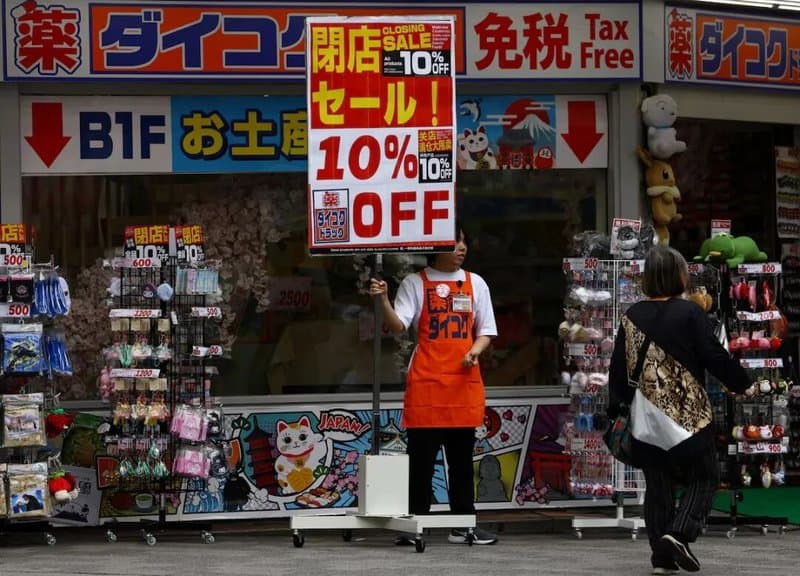
Private consumption, although maintaining positive growth for six quarters, only increased by 0.1%, down from the previous quarter's 0.4%. High food prices, sluggish wage growth, and declining real household income continue to dampen consumer enthusiasm. Capital expenditure emerged as one of the few bright spots, rising 1.0%, indicating that companies still have a willingness to expand production.
Policy Response: Kishida Government Plans Large-Scale Stimulus Package
In response to the economic slowdown, the Kishida administration is hastening to craft a new economic stimulus plan. Finance Minister Shunichi Suzuki stated that the stimulus package, exceeding 17 trillion yen (approximately 110 billion USD), will focus on reducing household burdens and investing in emerging industries.
Government advisers believe that the GDP contraction highlights the urgent need for fiscal stimulus. Economists generally anticipate that the stimulus package will be approved at a cabinet meeting in late November and implemented in early 2025, likely including direct subsidies, tax cuts, and infrastructure investments.
According to Nomura Securities economist Yuichi Nozaki, if fiscal policy is enacted as scheduled, consumption could rebound in the first half of next year, helping to mitigate the pressure from tariffs and the global economic slowdown.
Central Bank Faces Internal Divisions as Ueda Warns of "Excessive Easing" Risks
Meanwhile, the Bank of Japan faces a delicate balance in monetary policy. Minutes from the November 12 Economic and Fiscal Policy Committee meeting reveal that Governor Haruhiko Ueda warned that maintaining an ultra-loose monetary environment for an extended period might hinder the central bank's ability to stably achieve its 2% inflation target. He emphasized the need for policy flexibility to prevent excessive inflation overshooting.
Although inflation remains a primary consideration, some government advisers argue that raising interest rates amid economic contraction would be "inopportune." Crédit Agricole's Chief Japan Economist Takehiro Sato suggested that a rate hike at the December meeting would constitute a "policy misstep." The market broadly expects the Bank of Japan to maintain its current policy through year-end, awaiting the effects of the fiscal stimulus before deciding on next steps.
Experts Call for Larger Spending Plan
Former BOJ board member Takashi Kataoka has advised the government to implement a 23 trillion yen (approximately 149 billion USD) fiscal plan, with 20 trillion yen dedicated to public investment and household subsidies, and 3 trillion yen for tax cuts. He believes the current 17 trillion yen package is "far from sufficient to counter external shocks" and suggests funding through new debt issuance and tax revenue surpluses.
Kataoka warns that Japan’s export prospects are constrained by U.S. policy uncertainties and weakening global demand. Without timely expansion of fiscal spending, the economy may slip into a technical recession. He also urges the central bank to maintain low interest rates, at least delaying rate hikes until after spring 2025.
Yen at Most Vulnerable Turning Point in a Decade
Amid external tariff barriers, weakened consumption, and policy disagreements, Japan's economy is at a critical juncture. Although both the government and central bank have pledged to support growth collaboratively, the market widely believes that without substantial stimulus efforts and continued export pressure, the yen may face its most perilous fundamental turning point in a decade. Over the coming months, the alignment of Japan’s policy strategies and changes in external conditions will determine whether its economy can emerge from this "tariff-induced slowdown."