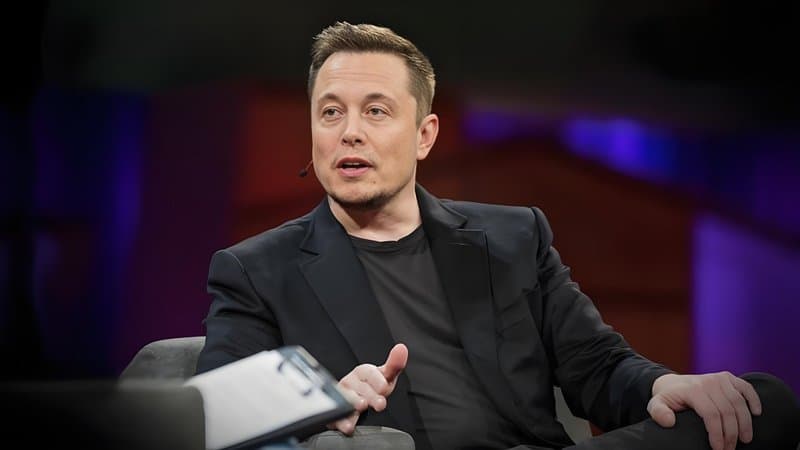
Elon Musk's Rare Reflection on Government Experience
One of the most influential figures in American technology, Elon Musk, recently stated on a podcast that if he could turn back time, he would not choose to join the "Department of Government Efficiency" (DOGE) again. As the leader of Tesla and SpaceX, Musk has offered a rare reflection on this brief political involvement, describing it as "less effective than expected," and candidly admitted he could have invested more time in his companies' operations.
Musk recalled that joining DOGE was a "surreal" experience, initially motivated by an idealistic vision to reduce unnecessary federal government spending through technology and system reforms. However, during the actual implementation process, he found that his ability to effect change was limited, falling short of the anticipated scale of fiscal savings.
Savings Effectiveness Far Below Expectations, Reform Challenges Greater Than Imagined
According to public information, Musk envisioned achieving trillions in savings through payment system reforms, budget oversight, and administrative process optimization when he joined DOGE. However, in reality, the resistance to reform was much greater than anticipated. Although some spending was curtailed and contracts canceled, the resulting fiscal benefits were far from the original targets.
The podcast host mentioned relevant data showing that the confirmed scale of spending reductions was only in the billions, significantly different from Musk's initial grand vision. Musk admitted that DOGE did indeed prevent some "wasteful payments," including large-scale repetitive subsidies or fund losses, but the overall effectiveness remained limited.
He noted that the complex federal structure and the difficulties of inter-departmental coordination posed challenges, making it hard to achieve significant results in the short term. "We achieved some outcomes, but far short of what I originally thought possible," Musk said.
Musk Says He Could Have Spent Time on Company Development
When asked if he would want to walk this political path again, Musk paused and then said he would prefer not to join DOGE again. He explained that if the same amount of time were spent on vehicle manufacturing, space launches, or AI development, the contribution to society might be more direct and measurable.
Musk even joked, "If I hadn't been at DOGE and stayed at the company, I might have avoided some production issues and cars wouldn't have caught fire." This light-hearted expression reflects his firm belief in the value of technical work.
Government Reforms Still Valuable, but Execution Challenges Are Immense
Despite his reserved attitude towards his personal involvement, Musk emphasized the importance of government spending reforms. He believes that increasing budget transparency, preventing duplicative payments, and optimizing procurement processes remain key issues that the federal system must address. He stated that the ideology of DOGE is correct, but execution requires substantial institutional support, not just reliance on individual technologists or industry leaders.
Analysts pointed out that Musk's statement reflects the structural barriers encountered by grassroots innovation forces when engaging with government systems: the contradiction between reform demands and the inertia of administrative systems often makes idealized "technology-driven governance" challenging to implement quickly.
Tech Leaders' Self-Reflection Spurs Discussion
Musk's rare public recounting of his "better not done" political experience quickly sparked discussions about the role of the tech community in government reform. Some views believe Musk's experience demonstrates the divergence between technical thinking and government systems; some analyses suggest that the role of tech entrepreneurs in public governance should not be dismissed, but systemic reform is more feasible than individual efforts.
In any case, this reflection allows the outside world to see another side of Musk beyond business, and the interaction between the U.S. government and the tech community will remain a key issue for the coming years.