

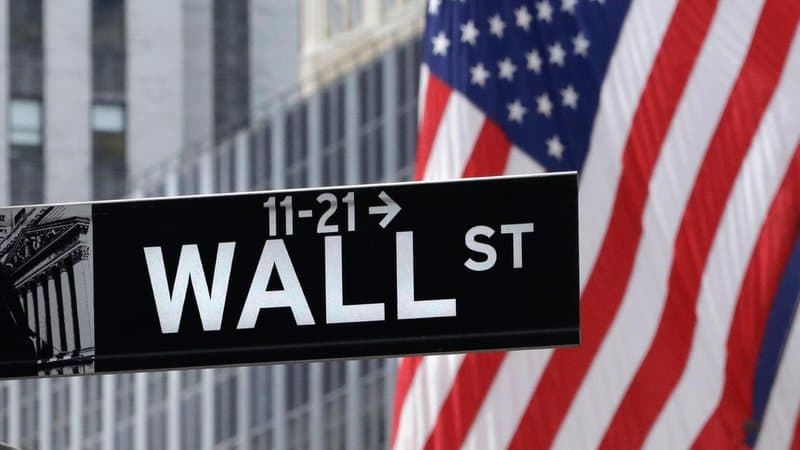
Wall Street Heavyweights Speak Out
As discussions about the next chair of the Federal Reserve heat up, concerns over the central bank's independence have been thrust back into the spotlight in financial markets. Recently, Ken Griffin, the founder of hedge fund giant Citadel, publicly stated in Europe that the White House should "maintain a distance" from the Federal Reserve. This rare and direct warning quickly resonated with Wall Street and the global investment community.
Griffin Sends a Clear Signal
While attending a financial event in Paris, Griffin noted that one of the most important actions that the president and the future Federal Reserve chair can take is to ensure a clear boundary between the White House and the central bank. He emphasized that this institutional distance is not merely a formal issue but is crucial for stabilizing market confidence. The market broadly interprets this as a clear warning about the potential influence of political forces on monetary policy.
Chairman Selection Heightens Market Anxiety
With the current Federal Reserve chair’s term nearing its end, discussions over the successor have entered a critical phase. Some candidates have close ties with political elites, leading markets to reassess the risk to future monetary policy's independence. Griffin's remarks reflect the heightened sensitivity of large institutional investors to potential policy shifts and underscore the market's core demand for institutional stability.
Consensus Emerging on Wall Street
Griffin is not the only one expressing concern. Recently, several financial institution executives have privately or publicly discussed the potential impacts of Fed personnel arrangements. Some investors believe that if the central bank is perceived as overly influenced by politics, it will undermine its credibility in controlling inflation and stabilizing expectations, possibly amplifying market volatility.
Tension Between Politics and Monetary Policy
In the current environment, monetary policy itself is at a highly complex stage. Inflation has not fully returned to target range, and economic growth and employment are uneven, requiring highly professional and independent policymaking. Once policy is seen as serving short-term political goals, long-term inflation expectations and asset pricing mechanisms may be impacted.
Potential Consequences of Market Worries
Analysts point out that if central bank independence is called into question, the effects will not be limited to interest rate decisions alone. The exchange rate of the dollar, long-term treasury yields, and valuations of risk assets may all be repriced. For global investors, the institutional credibility of the Federal Reserve remains the most crucial "invisible anchor" of the U.S. financial system.
Griffin's Stance and Restraint
Notably, despite issuing a warning, Griffin did not explicitly support any specific candidate. He stressed that he does not wish to intervene in decision-making through public statements but hopes that decision-makers will carefully weigh their choices from the perspective of "reassuring the market and the public." This restrained stance is also seen as Wall Street's attempt to maintain institutional stability.
Deeper Political and Economic Context
Amid inflationary pressures, fiscal deficits, and election cycles, monetary policy is under unprecedented external scrutiny. Some market participants point out that the current debate is not just about candidates but also reflects the structural tension between U.S. political and economic governance.
Overall Assessment
Overall, Griffin's remarks are not an isolated event but a concentrated reflection of Wall Street's collective anxiety over central bank independence. As the selection process for the Federal Reserve chair progresses, this issue is expected to remain a focal point for market attention. For investors, policy independence itself has become an important variable affecting risk preferences and asset allocation.








