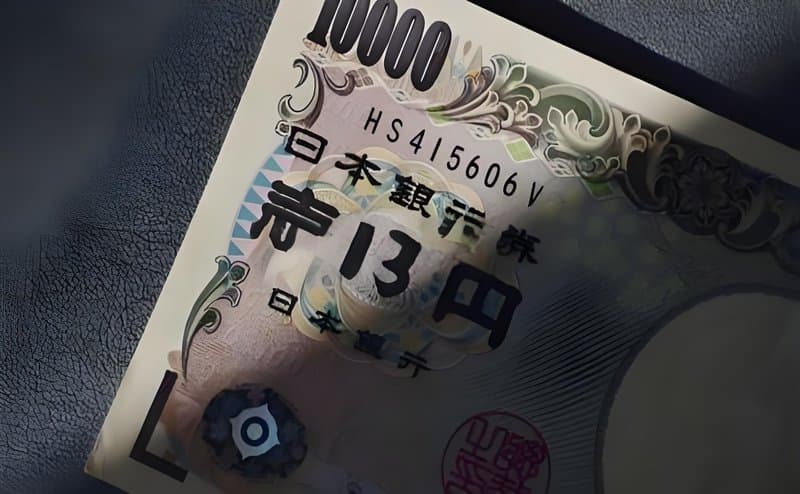
Japan's Top Forex Official Atsushi Mimura Warns: Be Alert to Unilateral Yen Fluctuations, Intervention Possible
Amid the intense turbulence in the global forex market, the Japanese government has once again issued a stern verbal warning to the market. On Monday, Atsushi Mimura, Japan's top forex official and the Chief International Financial Officer at the Ministry of Finance, made it clear in an interview that the government is on high alert regarding the recent severe depreciation of the yen against the dollar.
Mimura candidly told reporters that since the Bank of Japan's monetary policy meeting last week, the yen's movements have diverged from economic fundamentals. He frankly stated, "The recent exchange rate fluctuations are notably one-sided and severe, which deeply concerns me." This statement is viewed by the market as a prelude to possible intervention by the Ministry of Finance in the currency market. He also stressed that the Japanese government is prepared to take all "appropriate responses" against excessive market volatility to maintain the stability of financial markets.
Bank of Japan's Unclear Policy Sparks Sell-off, Yen Hits Four-Week Low
The sharp exchange rate fluctuations originated directly from the policy decision made by the Bank of Japan last Friday. Although the Bank raised its benchmark interest rate to its highest level in nearly 30 years, which should have been favorable for the yen, Governor Kazuo Ueda did not clearly outline a roadmap for further rate hikes in his post-meeting statement, which the market interpreted as lacking hawkishness. This discrepancy in policy expectations triggered a selling frenzy among investors.
Last Friday, the dollar-yen exchange rate significantly surged to 157.67, not only reaching a new high in nearly four weeks but also bringing the yen closer to a critical psychological level. Market analysts believe that the significant interest rate differential between Japan and the United States remains a core factor putting continuous pressure on the yen. Although Japan has moved away from an era of negative interest rates, without a clear signal of subsequent rate hikes, the yen's role as a funding currency in carry trades is unlikely to completely reverse in the short term.
Pressure for Policy Intervention Increases, Global Markets Watch Japan's Next Moves
Currently, market attention has shifted from the Bank of Japan's monetary policy to the Ministry of Finance's administrative intervention. Mimura's statements reflect official concerns about the risks of imported inflation and reveal the government's severe challenges in foreign exchange management. A rapidly depreciating yen would raise import costs and consequently impact Japan's domestic consumption recovery, contrary to the government's aim for a "virtuous cycle of inflation and wage growth."
Observers note that while verbal warnings may have a certain deterrent effect in the short term, if the exchange rate continues to fluctuate within the 158 to 160 range, the "appropriate measures" that Mimura mentioned may evolve into actual interventions—selling dollars and buying yen. In a global economic landscape fraught with uncertainty, how the Japanese government balances maintaining export competitiveness with stabilizing domestic prices will be a central issue in the forex market in the upcoming period.