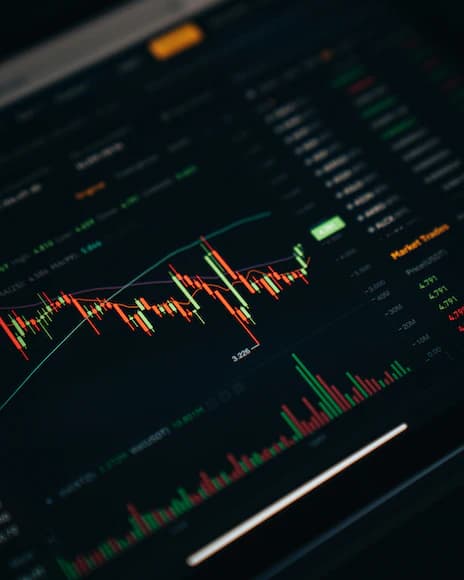
What is Scalping Trading?
Scalping trading is a short-term trading strategy commonly used in stock, forex, and futures markets. Scalping traders aim to make small profits by quickly buying and selling financial assets, taking advantage of short-term price fluctuations.
The goal of scalping trading is to execute multiple trades within a very short time, each aiming for a small profit. Trades might last only a few seconds to a few minutes, or even shorter. This strategy emphasizes rapid market entry and exit without holding positions for long, minimizing market risk.
Scalping traders usually rely on technical analysis tools and chart patterns to identify opportunities from short-term price movements. They may use fast trading execution systems and algorithms to minimize latency and achieve the best possible trade execution prices.
Scalping Trading Strategies:
- Scalping trading strategies can include the following aspects:
- Quick Entry and Exit: Scalping traders aim for rapid market entry and exit, often executing multiple trades within a short time. They seek to quickly capitalize on short-term price movements, whether the market is rising or falling.
- Small Profits: The goal of scalping trading is to accumulate small profits through frequent trading. Traders aim for minor price movements in each trade, with the cumulative small profits increasing overall gains over multiple trades.
- Technical Analysis: Scalping traders usually rely on technical analysis tools and chart patterns for trade decisions. They monitor price charts, trend lines, support and resistance levels, and technical indicators to identify short-term price movement opportunities.
- Short-Term Trend Trading: Scalping traders may focus on trading short-term trends. They seek out short-term market price movements and aim to profit from buying and selling within these fluctuations.
- Fast Execution and Low Latency: Scalping traders typically use fast trading execution systems and algorithms to minimize trade delay. They strive for quick execution to obtain better trading prices.
- Strict Risk Control: Scalping traders place great emphasis on risk management. They set strict stop-loss and take-profit levels to control the risk of each trade and employ position sizing and fund management strategies to protect capital.
- Close Monitoring: Scalping traders closely monitor the trading market, continuously tracking trade progress and market changes. They may use real-time data and technical tools to follow price movements and market conditions.
Scalping Trading Systems
Scalping trading systems are designed to implement scalping trading strategies. These systems typically comprise the following components:
- Technical Analysis Tools: Scalping trading systems use various technical analysis tools to analyze market trends and price patterns. These tools may include price charts, trend lines, support and resistance levels, moving averages, and volatility indicators.
- Fast Trade Execution Systems: Scalping trading systems rely on fast trade execution systems to ensure quick market entry and exit. These systems often employ high-speed computers and low-latency network connections to minimize trade delay and execute trade orders quickly.
- Algorithms and Automation: Scalping trading systems may utilize algorithms and automation to execute trades. These algorithms can automatically execute trades based on preset conditions and rules, quickly capturing market opportunities. Automated trading reduces the impact of human emotions and errors while improving the speed and accuracy of trade execution.
- Risk Management Tools: Scalping trading systems usually include risk management tools to set stop-loss and take-profit levels and control the risk of each trade. These tools help traders limit potential losses and protect capital.
- Real-Time Data and Market Monitoring: Scalping trading systems require real-time market data and monitoring capabilities so traders can promptly track market changes and make informed trade decisions. These systems typically provide real-time quotes, chart analysis, and technical indicators.
Differences Between Scalping and Day Trading
Both scalping and day trading are short-term trading strategies, but they differ in several ways:
- Trade Duration: Scalping is an even shorter-term trading strategy, with trades typically lasting only a few seconds to a few minutes. Traders aim to execute numerous trades in a very short time, accumulating small profits. Day trading, on the other hand, can last several hours or an entire trading day.
- Profit Goals: Scalping focuses on making small profits through frequent trades. Traders aim for minor price changes in each trade, with cumulative small profits adding up to larger overall gains. Day trading usually targets higher profits, often focusing on larger price movements and trends.
- Trade Frequency: Scalping involves a very high trade frequency, potentially executing multiple or even dozens of trades per day. Traders seek frequent market entry and exit and quick execution. Day trading, in contrast, has a lower trade frequency, with traders executing only a few trades per day.
- Risk Management: Both scalping and day trading require effective risk management strategies, but scalping's fast nature demands even stricter risk control. Scalping traders typically set tight stop-loss and take-profit levels for each trade. Day trading also requires risk management, often focusing on overall profit-loss ratios and risk-reward ratios.
- Dependence on Technical Analysis: Scalping traders heavily rely on technical analysis tools and chart patterns for trade decisions. They observe price charts, indicators, and trends to identify short-term price movements. Day traders may take a more comprehensive approach, considering fundamentals, market news, and technical analysis for a broader trading perspective.