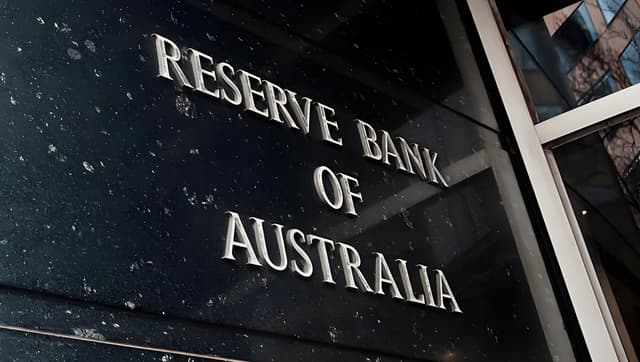
Interest Rate Adjustment Overview
Interest rate adjustments are the raising or lowering of benchmark interest rates by central banks or financial regulatory authorities to achieve macroeconomic policy objectives such as controlling inflation, stimulating economic growth, and maintaining the stability of currency value. These adjustments directly affect the interest rates of bank loans and savings, thereby influencing the investment costs of businesses and the consumption expenditure of households. They are an important tool in macroeconomic management.
Purpose of Interest Rate Adjustments
Controlling Inflation
By increasing interest rates, the desire to borrow is reduced, decreasing the money supply in the market, which in turn suppresses inflation. Conversely, lowering interest rates can increase borrowing, stimulate consumption and investment, and combat deflation.
Stimulating Economic Growth
In times of economic slowdown or recession, lowering interest rates can reduce the financing costs for businesses, encourage investment and expand production, promote employment, and stimulate economic growth.
Adjusting Currency Value
Interest rate adjustments can also influence international capital flows, thereby affecting exchange rates. Increasing interest rates usually attracts foreign investors to domestic assets, pushing up the value of the national currency; lowering interest rates may lead to capital outflow, causing the national currency to depreciate.
Mechanism of Interest Rate Adjustments
Direct Impact on Borrowing Costs
The adjustment of interest rates directly affects the level of bank loan interest rates, thereby affecting the investment costs of enterprises and the loan costs of households, such as mortgages and car loans.
Indirect Impact on Economic Behavior
By changing the level of interest rates, it can influence people's consumption and saving behaviors, and thereby affect total demand, production, and employment.
Impact on Expectations
The adjustment of interest rate policy can also affect the market participants' expectations of the future economic situation, and this change in expectations itself can guide changes in economic activities.
Impact of Interest Rate Adjustments
Impact on the Financial Markets
The adjustment of interest rates directly influences the performance of bond markets, stock markets, and currency markets. Generally, an increase in interest rates will lead to a decrease in bond prices, while a decrease in interest rates will push up bond prices; for the stock market, a low interest rate environment is favorable for stock market rises.
Impact on the Real Economy
Interest rate adjustments influence the real economy by changing borrowing costs and the willingness to consume and invest, thereby affecting various aspects of the real economy, including production, employment, investment, and consumption.
Challenges and Risks of Interest Rate Adjustments
Policy Lag
The effects of interest rate policy are not immediate and have a certain time lag. This means that central banks need to forecast economic trends and adjust in advance.
Uncertainty in Policy Transmission
The final effect of interest rate policy is influenced by various factors, including banks' credit policies and market expectations, creating uncertainty.
Globalization Challenges
In the context of globalization, the effectiveness of domestic interest rate policy may be affected by international capital flows, posing challenges to policy implementation.